Bernie Sanders Faces Backlash After Private Jet Admission as Critics Call His Climate Change Message ‘Hypocritical’.
Sen. Bernie Sanders is facing criticism after acknowledging that he has used private jets for political travel, with opponents arguing that his personal choices clash with the environmental message he has promoted for years.
The controversy has placed Sanders at the center of a familiar political debate: whether public figures who demand major climate action should be held to the same standards they encourage others to follow. This question has also renewed broader concerns about climate leadership and political consistency.
Critics say Sanders’ use of private aircraft creates a credibility problem because private jets produce significantly higher carbon emissions per passenger than commercial flights. They argue that a politician who frequently warns about the dangers of climate change should avoid actions that contribute to the very problem he campaigns against.
Supporters of Sanders, however, argue that the focus should remain on his decades of climate advocacy and legislative efforts rather than individual travel decisions. They say addressing climate change requires major policy changes involving energy, transportation, and industry, not simply personal lifestyle adjustments by politicians.
The debate has renewed a larger conversation about climate leadership, political consistency, and whether public officials should be judged by their personal actions as much as their policy positions.
Sanders Built His Political Identity Around Fighting Climate Change

For years, Bernie Sanders has been one of the strongest voices in Washington calling for aggressive action on climate change.
The Vermont senator has repeatedly warned that global warming poses serious risks to communities, economies, and future generations. During his presidential campaigns, Sanders made climate policy a central part of his platform, calling for massive investments in renewable energy, stronger environmental regulations, and a transition away from fossil fuels.
Sanders has also criticized major corporations for their role in carbon emissions and has argued that governments must take stronger action to address environmental challenges. His climate agenda has attracted millions of supporters who view him as a consistent advocate for environmental protection.
But that strong public position has also made him a target for critics who argue that climate leaders must demonstrate personal responsibility. That criticism has grown sharper with the private jet controversy.
The private jet controversy has become especially significant because private aviation has become a symbol in the climate debate. Environmental organizations have frequently highlighted private jets as one of the most emissions-intensive forms of transportation.
According to environmental researchers, private aircraft can produce substantially more emissions per passenger compared with commercial airline travel because fewer people share the same flight.
For critics of Sanders, that difference is at the heart of their argument. In their view, the issue goes beyond one trip or one transportation choice.
They say the issue is not simply about one trip or one transportation choice. They argue it is about whether political leaders who call for major sacrifices from the public should also make visible sacrifices themselves.
Critics Say Actions Matter as Much as Words
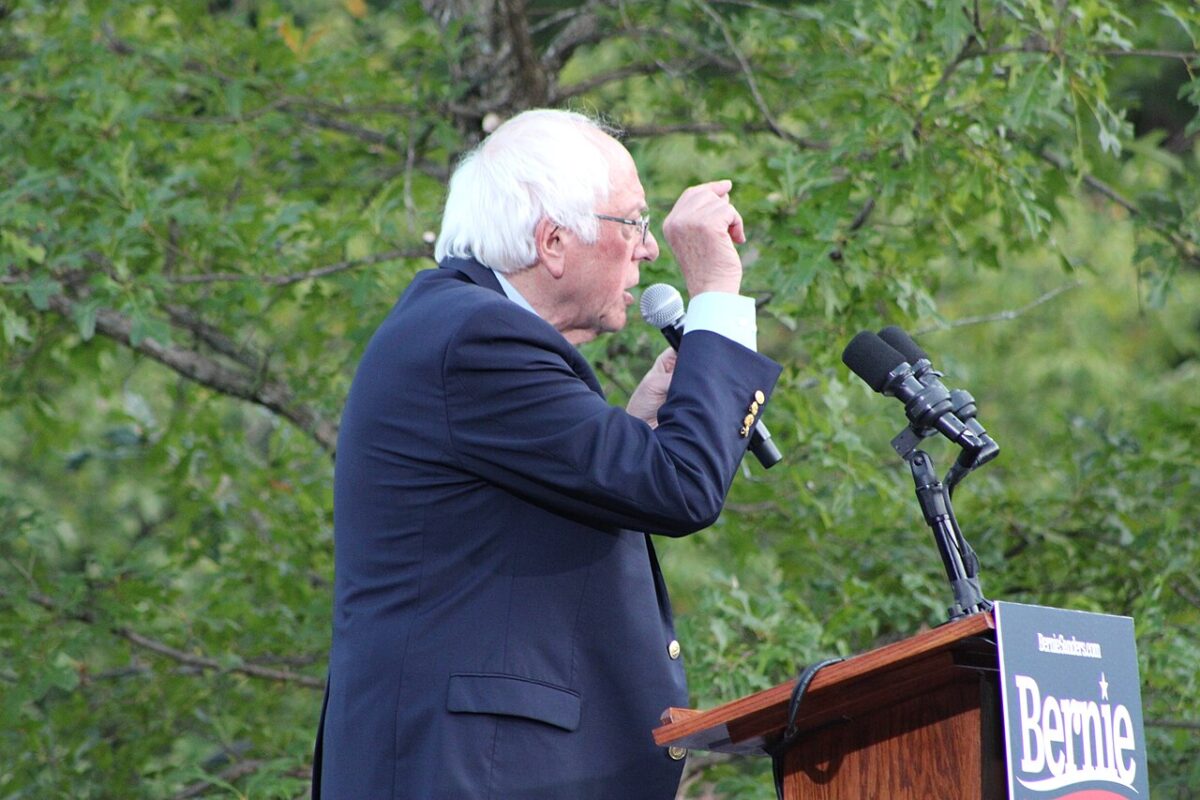
The phrase “your actions trump your words” has become a central theme among those criticizing Sanders.
Opponents argue that climate change policies often involve asking individuals, businesses, and communities to change their behavior. They say politicians lose credibility when they appear to make exceptions for themselves.
The criticism reflects a broader frustration among some voters who believe environmental rules and expectations are not applied equally.
Similar debates have surrounded other climate advocates, including business leaders, celebrities, and politicians who have faced scrutiny over private aviation, large homes, luxury travel, and other high-emission activities.
Critics argue that influential figures have an opportunity to set an example. They believe that choosing lower-emission alternatives when possible strengthens the credibility of climate messaging.
Some opponents have used Sanders’ situation to question whether climate policies would be enforced fairly if they require significant changes from ordinary Americans.
They argue that voters may become skeptical if they see wealthy or politically powerful individuals promoting restrictions while maintaining lifestyles that produce significant emissions.
The criticism has spread widely online, with opponents describing Sanders as inconsistent and accusing him of applying one standard to himself and another to the public.
Supporters Say Policy Change Matters More Than Personal Travel

Sanders’ defenders argue that critics are focusing on the wrong issue. They say climate change is primarily driven by large-scale systems, including energy production, industrial activity, transportation infrastructure, and government policy.
From this perspective, the most important measure of a political leader is not whether they have achieved a perfect personal carbon footprint, but whether they support policies that can reduce emissions on a national and global scale.
Supporters point to Sanders’ long record of supporting clean energy investments and climate legislation as evidence of his commitment. They also argue that politicians often face unique travel demands because of campaign schedules, public appearances, and official responsibilities.
A nationwide political figure may need to reach multiple locations in a short period, making travel decisions more complicated than those faced by most individuals.
Supporters say the climate movement should not become focused only on personal behavior because that can distract from larger solutions. They argue instead that the biggest gains come from replacing fossil fuel infrastructure, expanding renewable energy, improving public transportation, and changing industrial practices.
They argue that replacing fossil fuel infrastructure, expanding renewable energy, improving public transportation, and changing industrial practices would have a far greater impact than individual lifestyle choices alone.
Private Jet Debate Reflects a Larger Climate Politics Problem
The criticism facing Sanders highlights a challenge that has followed climate politics for years. Climate change is a global issue that requires cooperation from governments, corporations, and individuals. But disagreements often emerge over who should carry responsibility for solving it.
Critics often argue that leaders must lead by example. They believe personal choices influence public trust and that climate advocates should avoid behavior that appears inconsistent with their message.
Supporters often counter that demanding perfection from individual leaders can distract from the larger goal of reducing emissions across society.
This tension has become increasingly visible as climate policies become more politically important. As governments debate renewable energy, electric vehicles, carbon reduction targets, and environmental regulations, voters are paying closer attention to whether leaders demonstrate consistency.
The Sanders controversy is therefore about more than one senator’s travel habits. It reflects a much broader debate about credibility and responsibility in the climate movement, and it shows how personal choices can shape public trust.
A Political Battle Over Trust and Consistency
Bernie Sanders remains one of the most recognizable supporters of aggressive climate action in American politics. His supporters view him as a longtime advocate who has pushed environmental issues into national conversations.
His critics argue that his private jet use creates a contradiction that undermines his message.
The controversy shows how difficult it can be for public figures to navigate modern political expectations, especially on issues that require major societal changes. It also shows how quickly personal choices can become part of a larger credibility debate.
For Sanders’ opponents, the question is simple: if climate change requires sacrifice, should those calling for action be willing to make those sacrifices first?
For his supporters, the answer is different: the focus should be on whether leaders are fighting for policies that create meaningful change.
As climate change continues to be one of the most debated issues in American politics, the argument over Sanders’ travel choices represents a larger conversation about leadership, accountability, and whether actions truly match words.