Report Says Rising Costs Are Challenging America’s Long-Standing Homeownership Wealth Formula
For generations, owning a home has been viewed as the ultimate path to financial security in America. Buying a house was more than finding a place to live. It was considered a long-term investment, a way to build equity, and a foundation for passing wealth from one generation to the next.
But that long-standing belief is being tested. Rising home prices, high mortgage rates, expensive repairs, and changing lifestyles have made homeownership harder to achieve and less predictable as a wealth-building tool.
Many Americans are now questioning whether buying a home still offers the same financial advantage it once did. The idea that a house is always the safest investment is facing its biggest challenge in decades.
The American Dream Has Become More Expensive
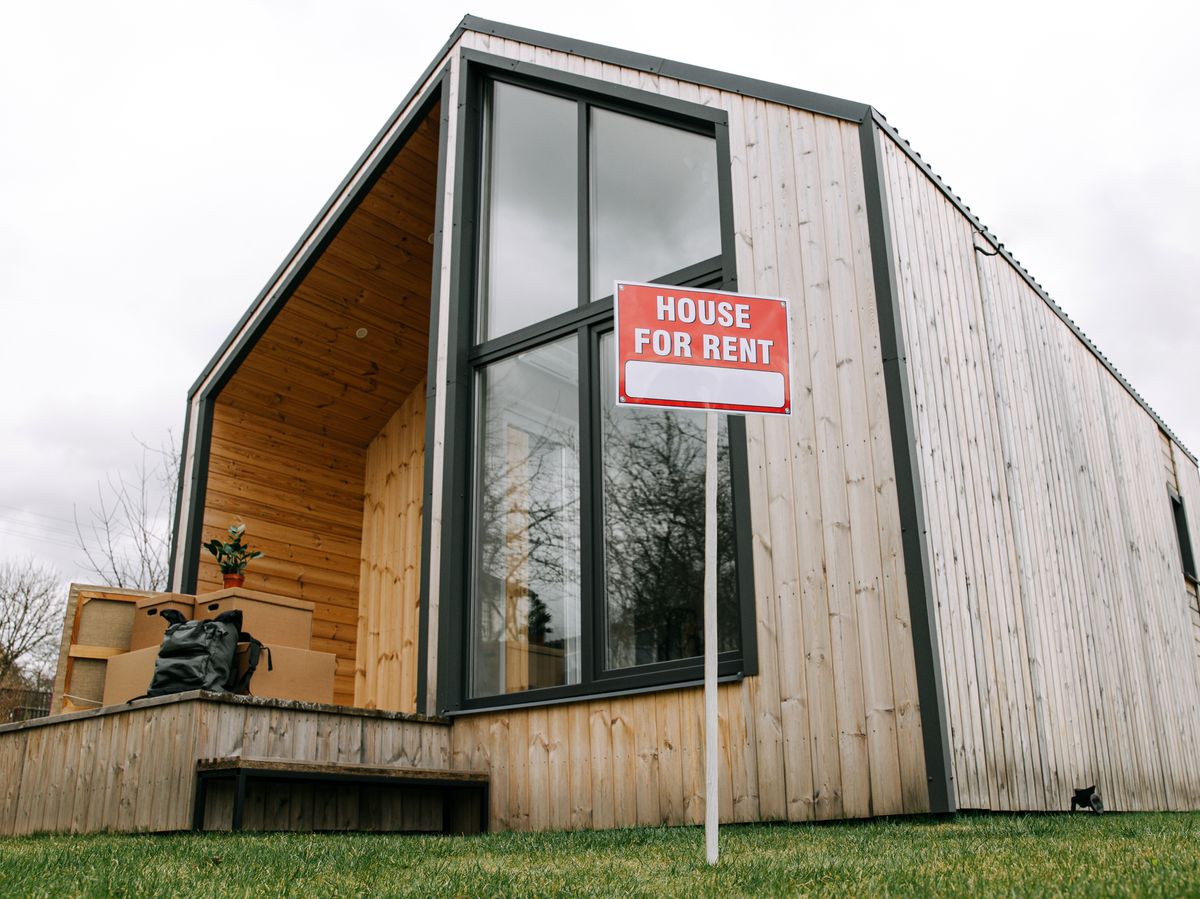
For much of the 20th century, homeownership created enormous wealth for millions of Americans. Buyers who purchased homes decades ago often benefited from steady appreciation, lower borrowing costs, and rising property values.
A homeowner who bought a property in the 1980s or 1990s could often see their investment grow significantly over time. As communities expanded and housing demand increased, many families built their net worth through home equity. Today, the path looks very different for younger generations.
Home prices have climbed much faster than wages in many parts of the country. According to data from the National Association of Realtors, the median existing-home price reached record levels in recent years, making affordability a major challenge for first-time buyers.
At the same time, mortgage rates that were once below 3% have moved much higher, increasing monthly payments even when buyers manage to find a home within their budget.
For many households, the combination of high prices and borrowing costs has pushed homeownership further out of reach.
Home Values Can Rise, But They Are Not Guaranteed Wealth
One reason Americans have historically trusted real estate is that home prices have generally increased over long periods. However, housing is not a risk-free investment.
Unlike stocks or bonds, a home requires ongoing expenses. Property taxes, insurance, maintenance, repairs, and renovation costs can reduce the financial gains homeowners expect.
A roof replacement, plumbing problem, or major repair can cost thousands of dollars. Homeowners also cannot easily sell a portion of their house if they need quick access to cash.
But that long-standing belief is being tested. Rising home prices, high mortgage rates, expensive repairs, and changing lifestyles have made homeownership harder to achieve and less predictable as a wealth-building tool.
Financial experts often point out that real estate wealth depends heavily on location. A home in a growing city with strong employment opportunities may increase significantly in value, while properties in declining areas may struggle to keep pace with inflation. That means buying a home is not automatically a guaranteed path to wealth.
Other Investments Are Becoming More Attractive
As homeownership becomes more expensive, some Americans are turning their attention toward other ways of building wealth. Stock market investments, retirement accounts, and diversified portfolios allow people to invest smaller amounts without taking on hundreds of thousands of dollars in debt.
Over long periods, broad stock market indexes have historically delivered strong returns. Investors can also benefit from liquidity because they can buy and sell assets more easily than they can sell a home.
For younger workers, investing consistently through retirement accounts may provide a realistic alternative to rushing into homeownership.
This shift does not mean real estate has lost its value. Instead, it reflects a broader change in how Americans think about financial independence.
Renting Is No Longer Seen as Automatically Falling Behind
For decades, renting was often viewed as “throwing money away.” The idea was simple: renters pay someone else’s mortgage, while homeowners build equity. That argument has become more complicated.
Renters avoid many costs that homeowners face, including major repairs, property taxes, and unexpected maintenance bills. They may also have more flexibility to move for better job opportunities or lower living costs.
In expensive housing markets, renting and investing the money saved from not buying can sometimes create significant wealth over time.
The decision between renting and buying increasingly depends on personal finances, location, career plans, and long-term goals.
Younger Americans Face a Different Housing Reality
Millennials and Generation Z have entered adulthood during a period of unusual housing pressure. Many younger adults faced rising college costs, student loan payments, higher rents, and slower wage growth compared with previous generations. Saving enough money for a down payment has become difficult, especially in major metropolitan areas.
Some younger Americans are delaying marriage, starting families later, or choosing different lifestyles that do not require traditional suburban homeownership.
Others are moving to smaller cities or rural areas where housing remains more affordable. The dream of owning a home has not disappeared, but the timeline has changed.
Real Estate Still Matters, But the Rules Have Changed
Despite the challenges, experts say homeownership can still play an important role in building wealth. A home can provide stability, protection from rising rents, and a valuable asset over time. Paying off a mortgage can also reduce living expenses during retirement.
The difference today is that buying a home requires more careful planning. Location, affordability, interest rates, and personal financial goals matter more than ever. The old idea that every home purchase automatically creates wealth no longer fits every situation.
America’s relationship with homeownership is changing. For decades, owning a house represented the clearest path to financial success. Now, many people are realizing that wealth can be built through multiple paths, and a home is just one option among many.
The future of the American Dream may not be defined by owning the biggest house, but by having the financial freedom to choose the life that works best.