9 Dark Realities About Aging Alone in America
Aging alone in America is often portrayed as the ultimate expression of independence, a life lived on one’s own terms. But for millions of older adults, this independence masks harsh truths. Without nearby family, reliable social networks, or sufficient financial resources, aging alone can be a lived reality for a growing population in a nation unprepared to support its aging citizens. Understanding these truths is crucial to confronting the hidden crisis shaping the lives of older Americans.
The following nine realities reveal the stark challenges that accompany aging alone. Each exposes systemic failures, social gaps, and personal hardships that accumulate quietly yet powerfully over time, reshaping what life looks like for those navigating their later years without consistent support.
Social Isolation Isn’t Just Loneliness
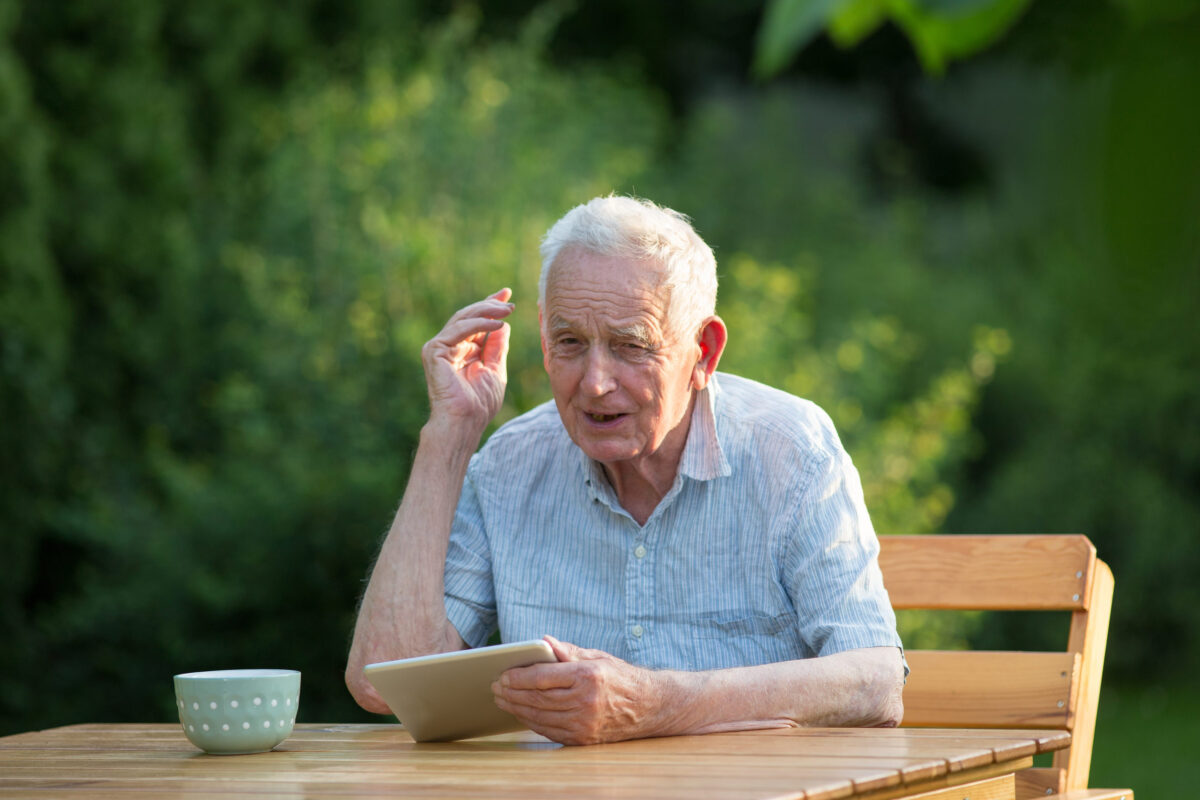
Loneliness for older adults is deadly. Studies show it increases the risk of premature death as much as smoking 15 cigarettes a day and contributes to higher rates of heart disease, stroke, dementia, and depression. Aging alone often means shrinking social circles as friends die, move, or lose mobility, leaving individuals cut off. The lack of daily social interaction undermines mental and physical health, reducing the likelihood of seeking medical care or engaging in meaningful activities. What starts as quiet solitude often escalates into chronic, measurable health consequences.
Social isolation also amplifies cognitive decline. Without interaction or mental stimulation, memory loss accelerates, and attention spans shorten. Those living alone are less likely to notice symptoms early or advocate for care, which compounds risks. Even routine tasks, such as grocery shopping or managing medications, can become sources of stress. The absence of a support network transforms ordinary aging challenges into potentially life-threatening situations.
Financial Fragility Is the Norm, Not the Exception

Retirement is increasingly a source of financial insecurity. Social Security benefits often fall short of covering basic living costs, forcing many to make impossible choices between housing, healthcare, and essentials. For those living alone, there is no second income to bridge the gap, leaving them vulnerable to debt or to dependence on limited aid programs. Medical expenses, particularly prescription drugs and long-term care, rapidly drain savings. The financial pressure of solo aging highlights systemic shortcomings in income support and housing affordability for older adults.
Even modest emergencies can become catastrophic. A sudden medical issue, home repair, or transportation breakdown can quickly exhaust limited savings. Without family to provide financial assistance or emergency support, older adults face difficult trade-offs that compromise their health and well-being. This financial precarity is often invisible to the public, masked by the illusion of independent living, yet it is a daily reality for millions of aging Americans.
Healthcare Navigation Becomes Overwhelming Without Support
Navigating healthcare is complex for anyone, but aging alone magnifies the challenges. Coordinating appointments, understanding insurance coverage, managing medications, and interpreting medical advice require focus and advocacy. Older adults living alone lack companions to notice changes in their health, ask questions, or intervene when errors occur. Cognitive decline or memory lapses further complicate navigation, increasing the likelihood of missed treatments. The result is poorer outcomes, more frequent hospitalizations, and preventable deterioration of health.
Routine preventive care becomes a burden rather than a benefit. Without someone to help schedule or transport them, older adults may skip screenings, delay appointments, or misunderstand instructions. Chronic conditions worsen unchecked, and minor ailments can escalate into emergencies. The absence of support transforms routine healthcare management into a formidable barrier that affects longevity and quality of life.
Housing Options for Solo Elders Are Limited and Often Inadequate
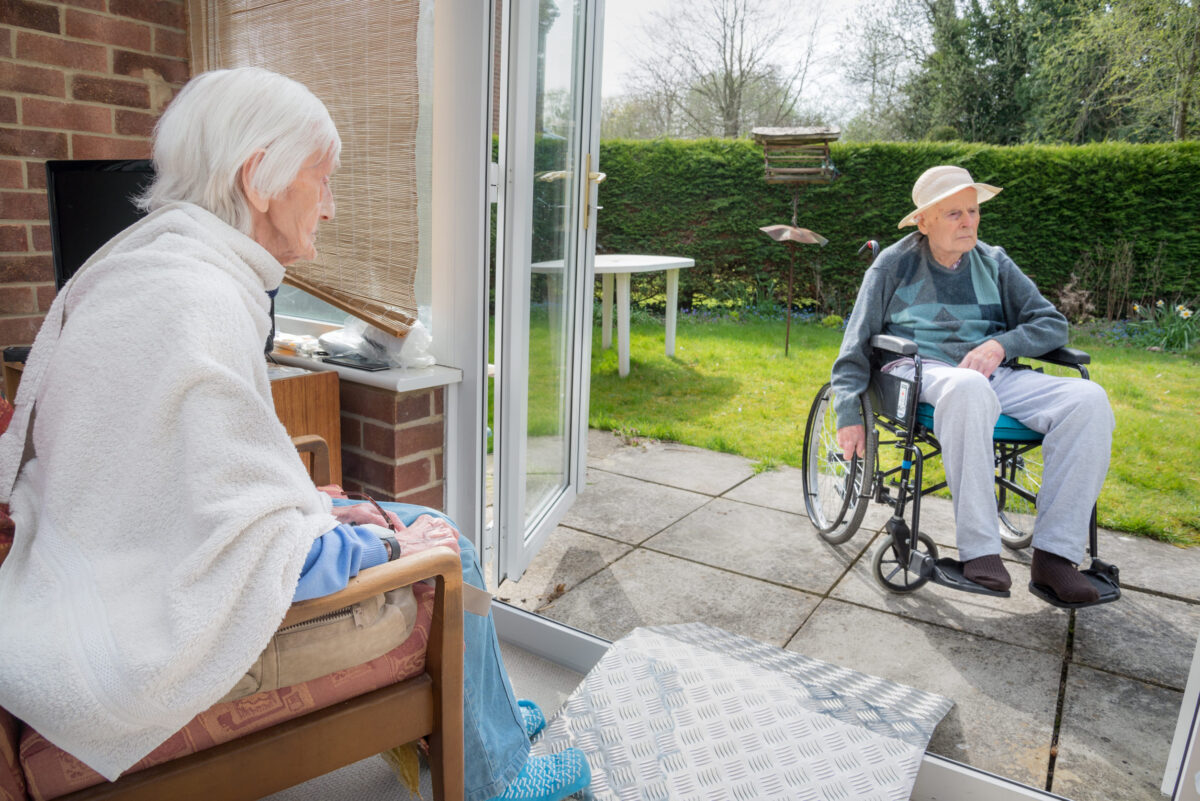
Most older adults wish to age in place, but many homes and apartments are unsafe or unsuitable for aging bodies. Falls, the leading cause of injury among older adults, are more likely without assistance. Affordable, senior-friendly housing that integrates support services is scarce, and waiting lists are long. Living alone in a home that isn’t adapted for mobility limitations increases the risk of injury and isolation. This forces many to consider early transitions to assisted living, often at high personal and financial cost.
Even with modifications, living alone presents daily challenges. Cooking, cleaning, and maintenance become exhausting tasks that increase stress and risk of accidents. Emergency preparedness is limited; minor problems such as a burst pipe or power outage can escalate without immediate assistance. The lack of suitable housing options exacerbates vulnerability and underscores a societal failure to plan for aging populations.
Emergency Crises Reveal Structural Vulnerabilities
Natural disasters, economic downturns, or health emergencies disproportionately affect older adults who live alone. Evacuation, recovery, or financial coping becomes nearly impossible without support networks. The COVID-19 pandemic highlighted these vulnerabilities, showing how solo-living elders faced heightened risk of infection, isolation, and service interruptions. Many went days without access to food, medications, or critical assistance. Aging alone exposes structural gaps in emergency preparedness, revealing the fragility of support systems for the most vulnerable.
During crises, the absence of advocacy or oversight can exacerbate damage. Health emergencies may go unnoticed, and bureaucratic processes often fail to address them when there are no family advocates. Recovery is slower, stress levels rise, and the long-term effects compound. These realities reveal the systemic neglect that solo aging uncovers in moments of societal stress.
. The Digital Divide Exacerbates Isolation and Barriers to Services
Daily life increasingly relies on digital access, from banking and shopping to telehealth and social connection. Older adults without digital literacy or access face isolation and difficulty obtaining essential services. Many government and medical platforms require technical competence that is beyond the reach of those without training or resources. Social connection is diminished, and necessary services become obstacles rather than supports. The digital divide transforms everyday independence into a source of chronic disadvantage.
Even simple tasks become hurdles. Telemedicine visits, prescription refills, and online community engagement demand technology that many older adults struggle to use. Without assistance, minor mistakes can delay care or create financial errors. Digital exclusion intensifies isolation and undermines the promise of independent living for solo elders.
Mental Health Struggles Multiply Without Social Support

Depression, anxiety, and cognitive decline are amplified in older adults who live alone. Mental health needs often rise with age, yet stigma, limited access, and isolation suppress treatment. Without friends or family to recognize changes, offer support, or encourage intervention, conditions worsen unchecked. Loneliness becomes both cause and consequence of mental health decline. Aging alone is not just an emotional experience; it is a measurable risk factor for serious psychological deterioration.
Cognitive and emotional struggles can trigger dangerous cycles. Anxiety leads to avoidance of social engagement, which increases isolation and further deteriorates mental resilience. Depression impairs daily functioning, reducing the capacity to manage finances, health, and social connections. The absence of an attentive network leaves older adults increasingly vulnerable to mental health crises that are largely preventable with timely support.
Caregiving When It Often Comes Too Late or Too Expensively
Once health declines require caregiving, solo elders face stark choices: expensive private care, premature institutionalization, or neglect. In-home caregiving costs are often prohibitive, and Medicare provides limited coverage for custodial care. Without unpaid family support, older adults may delay assistance until a crisis forces entry into costly facilities. This reduces autonomy, drains savings, and diminishes quality of life. Aging alone ensures that care is reactive rather than proactive, magnifying both cost and stress.
Even when care is accessible, reliance on paid services introduces logistical challenges. Scheduling, compatibility, and trust issues create additional stressors. Solo seniors may lack advocacy to monitor care quality or address abuse and neglect. The financial and practical burden of solo aging places many in untenable positions that compromise safety and dignity.
Aging Alone Is a Growing but Invisible Policy Issue
Despite its scale, aging alone lacks sufficient political and societal attention. Policy discussions focus on Social Security, healthcare funding, and hospital reimbursement, rarely on the day-to-day isolation and housing challenges experienced by solo elders. Fragmented and underfunded support systems leave millions vulnerable.
Programs that could mitigate risks, such as community health workers, subsidized senior housing, and caregiver incentives, remain insufficient. Without deliberate policy interventions, aging alone will become one of the most pressing social challenges of this generation.
Conclusion
These nine realities show that aging alone is far from a private matter; it is a societal failure. Isolation, financial insecurity, health risks, and lack of policy support converge to create a landscape where independence comes at the cost of safety and dignity.
Addressing these challenges requires systemic reform, community engagement, and cultural shifts valuing elder care. Aging alone is not inevitable; the country can build safety nets, accessible housing, supportive health systems, and inclusive social structures to prevent isolation. The measure of a society lies in how it treats its most vulnerable,those navigating the final chapters of life without a safety net.