Telepharmacy Is Changing How Americans Get Their Medicine. Here’s Why Remote Pharmacy Care Could Become the Future of Healthcare Access
For decades, getting a prescription filled in America followed a familiar routine: a patient walked into a local pharmacy, spoke with a pharmacist behind the counter, and left with medication and professional advice.
That experience is now entering a new chapter. Across the country, technology is reshaping the pharmacy landscape through telepharmacy, a growing model that allows pharmacists to provide medication services remotely through secure digital platforms, video consultations, electronic systems, and advanced dispensing technology.
The shift is happening at a time when access to pharmacy care is becoming a major concern. Rural communities are losing local pharmacies, healthcare shortages continue to affect millions of Americans, and many patients are struggling with longer travel times to receive basic medications.
Telepharmacy is emerging as a solution to one of healthcare’s most pressing challenges: ensuring people can still receive safe, professional pharmacy care regardless of where they live.
But this transformation is about more than convenience. It represents a fundamental change in how pharmacists work, how communities access healthcare, and how technology can help close some of the biggest gaps in America’s medical system.
The Pharmacy Access Crisis Is Creating Demand for New Solutions
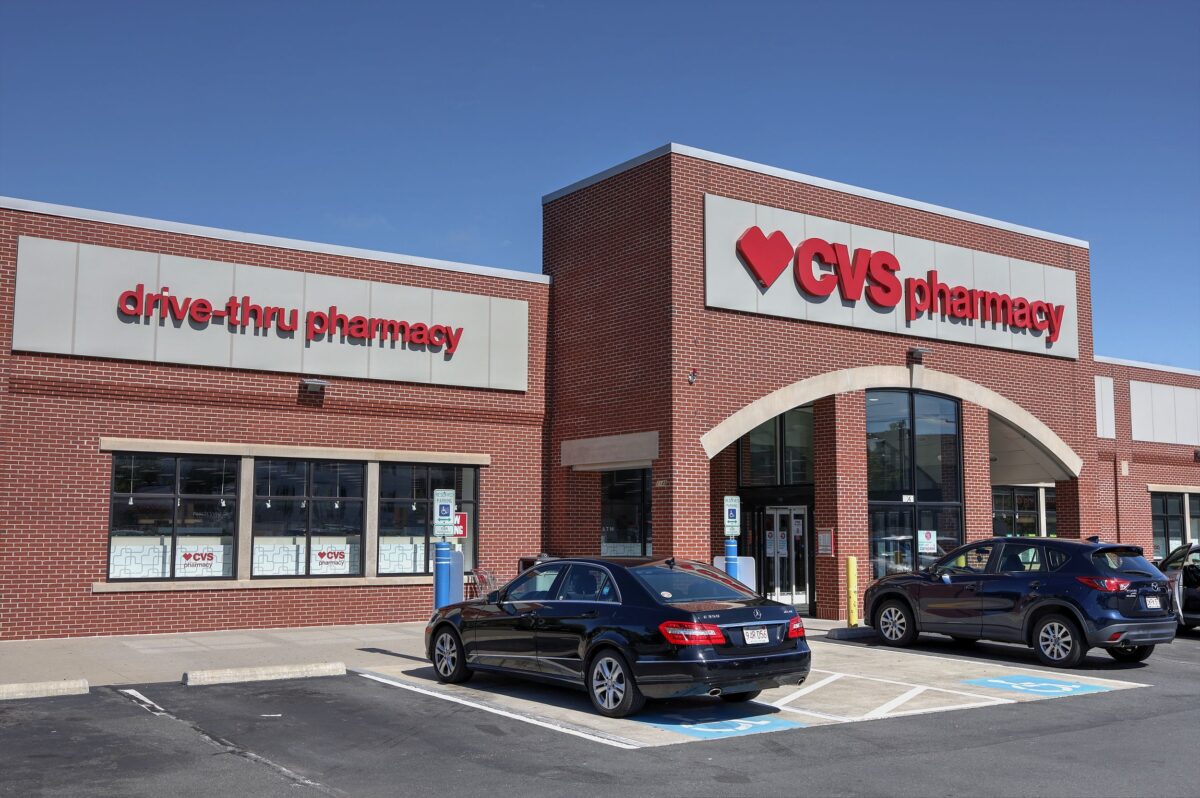
The traditional neighborhood pharmacy has always been more than a place to pick up prescriptions.
For millions of Americans, pharmacists are among the most accessible healthcare professionals. They answer medication questions, identify potential drug interactions, help patients manage chronic conditions, and provide guidance without the long wait times often associated with medical appointments. However, the traditional pharmacy model has been under growing pressure.
Independent pharmacies have faced increasing financial challenges, rising operating costs, workforce shortages, and changes in the healthcare marketplace. At the same time, many communities, especially in rural areas, have experienced pharmacy closures, leaving residents with fewer healthcare options.
According to industry research, thousands of pharmacies have closed across the United States in recent years, creating what many healthcare experts describe as “pharmacy deserts.” These areas are communities where residents have limited access to nearby medication services.
The consequences can be serious. A patient who once had a pharmacy five minutes away may suddenly need to drive 30 miles or more to refill essential prescriptions. For older adults, people with disabilities, and those without reliable transportation, that distance can become a major barrier.
Telepharmacy is designed to address this problem by extending pharmacists’ reach beyond traditional store walls.
What Telepharmacy Actually Means for Patients
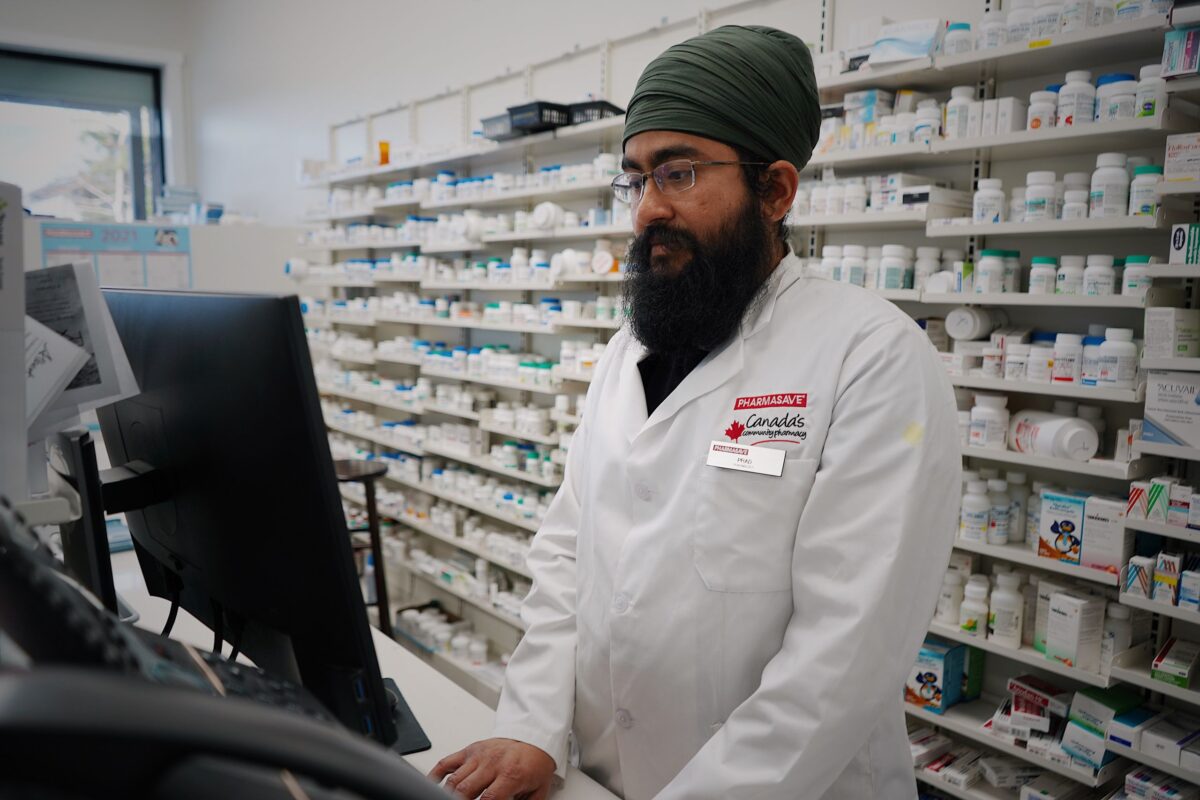
Telepharmacy uses digital communication technology to connect patients with pharmacists who may be located miles away.
Instead of requiring a pharmacist to be physically present at every pharmacy location, telepharmacy allows trained pharmacy staff to assist patients locally while a licensed pharmacist provides remote oversight.
The process can include:
- Remote prescription verification
- Video consultations with pharmacists
- Medication counseling
- Prescription monitoring
- Remote dispensing systems
- Support for chronic disease management
For patients, the experience can feel similar to visiting a traditional pharmacy. They can still ask questions, discuss concerns, and receive professional advice. The difference is that the pharmacist may appear through a secure video connection rather than standing behind the counter.
The technology does not eliminate the pharmacist’s role. Instead, it allows pharmacists to serve more patients in more locations.
Rural Communities Could Benefit the Most From Telepharmacy

The biggest opportunity for telepharmacy may be in rural America. Many small communities face a difficult healthcare reality: fewer doctors, fewer specialists, and fewer pharmacies.
When a local pharmacy closes, residents often have limited choices. Some must travel long distances, delay prescription refills, or depend on family members for transportation.
Telepharmacy provides another option. A remote pharmacy location can operate with trained personnel and connect patients with pharmacists via secure technology. This allows communities to maintain pharmacy services without needing a full-time traditional pharmacy staffed by a pharmacist.
For small towns, this can mean preserving healthcare access that might otherwise disappear. For patients, it can mean receiving medication guidance close to home instead of traveling hours for basic healthcare needs.
Technology Is Expanding the Pharmacist’s Role
Telepharmacy is not simply about moving prescription services online. It reflects a broader change in the healthcare industry: pharmacists are becoming more involved in patient care.
Historically, pharmacists were often associated mainly with dispensing medication. Today, their responsibilities increasingly include medication management, patient education, preventive care, and collaboration with doctors and other healthcare providers.
Technology allows pharmacists to focus more attention on clinical decisions. Automated systems and digital tools can assist with routine processes, while pharmacists concentrate on areas where their expertise is most valuable.
This includes identifying unsafe medication combinations, helping patients understand complicated treatment plans, and improving medication adherence.
For patients managing multiple conditions, this additional support can make a significant difference.
Remote Dispensing Could Redefine the Future of Pharmacy
One of the most important developments within telepharmacy is remote dispensing. Remote dispensing allows patients to receive medications from secure locations where a pharmacist is not physically present, yet the pharmacist remains responsible for oversight and safety.
These locations may include:
- Rural healthcare centers
- Clinics
- Hospitals
- Long-term care facilities
- Community health sites
A remote dispensing system may use secure technology to verify prescriptions, communicate with pharmacists, and ensure medications are accurately provided.
This model could become increasingly important as healthcare organizations seek ways to deliver services in areas where traditional pharmacy operations are difficult to sustain.
Instead of asking every community to support a full-service pharmacy building, telepharmacy creates a system in which pharmacy expertise can travel digitally.
Patient Safety Remains the Biggest Priority
While telepharmacy offers major opportunities, healthcare experts emphasize that safety must remain at the center of the transition.
Medication errors can have serious consequences, which means remote pharmacy systems must maintain strict standards for accuracy, privacy, and professional oversight.
States across the country have developed different regulations governing telepharmacy, including rules about pharmacist supervision, technician responsibilities, and remote dispensing requirements.
These regulations are designed to make sure patients receive the same level of protection they would expect from a traditional pharmacy.
Technology also creates new responsibilities. Healthcare providers must protect patient information, maintain secure communication systems, and ensure that remote consultations are reliable and accessible.
The human relationship between pharmacists and patients also remains important. Many patients value the personal connection they have with their pharmacist, who remembers their medication history, understands their concerns, and provides reassurance.
The strongest telepharmacy models will be those that combine digital convenience with genuine human care.
Telepharmacy Could Expand Beyond Prescription Services
The future of telepharmacy may involve much more than filling prescriptions. As healthcare becomes increasingly digital, pharmacists could play a larger role in remote patient support, including:
- Medication therapy management
- Health screenings
- Chronic disease monitoring
- Virtual consultations
- Preventive healthcare services
- Digital health programs
This expansion could transform pharmacists from medication providers into broader healthcare partners.
For patients with diabetes, heart disease, high blood pressure, and other chronic conditions, regular medication guidance can improve health outcomes and reduce complications. Telepharmacy could make that support more accessible, especially for people who live far from traditional healthcare centers.
The Pharmacy of Tomorrow May Not Have Four Walls
The rise of telepharmacy reflects a broader transformation occurring across American healthcare.
Patients increasingly expect healthcare to be more accessible, flexible, and convenient. Communities facing healthcare shortages need solutions that do not depend entirely on traditional systems.
Telepharmacy offers a way to combine technology with professional expertise. It does not replace pharmacists. It expands their reach. The future of pharmacy may not always be a building with shelves of medication and a front counter. It may also be a secure digital connection that allows a patient in a small town, a rural community, or an underserved area to speak directly with a healthcare professional.
As healthcare continues evolving, telepharmacy could become one of the most important tools for ensuring that where someone lives does not determine whether they can access quality medication care.
The pharmacy experience is changing, and for millions of Americans, that change could mean easier access, better support, and a healthier future.