The World’s 10 Most Polluted Cities You Should Avoid Visiting
Air quality isn’t just an environmental issue; it’s a life-or-death matter for millions of people. Across the globe, cities are battling poor air quality, with disastrous effects on health and quality of life. From toxic smog to respiratory problems, pollution is taking a heavy toll on urban populations. This article dives into the 10 cities with the worst air quality, painting a stark picture of a problem that can no longer be ignored.
Delhi, India
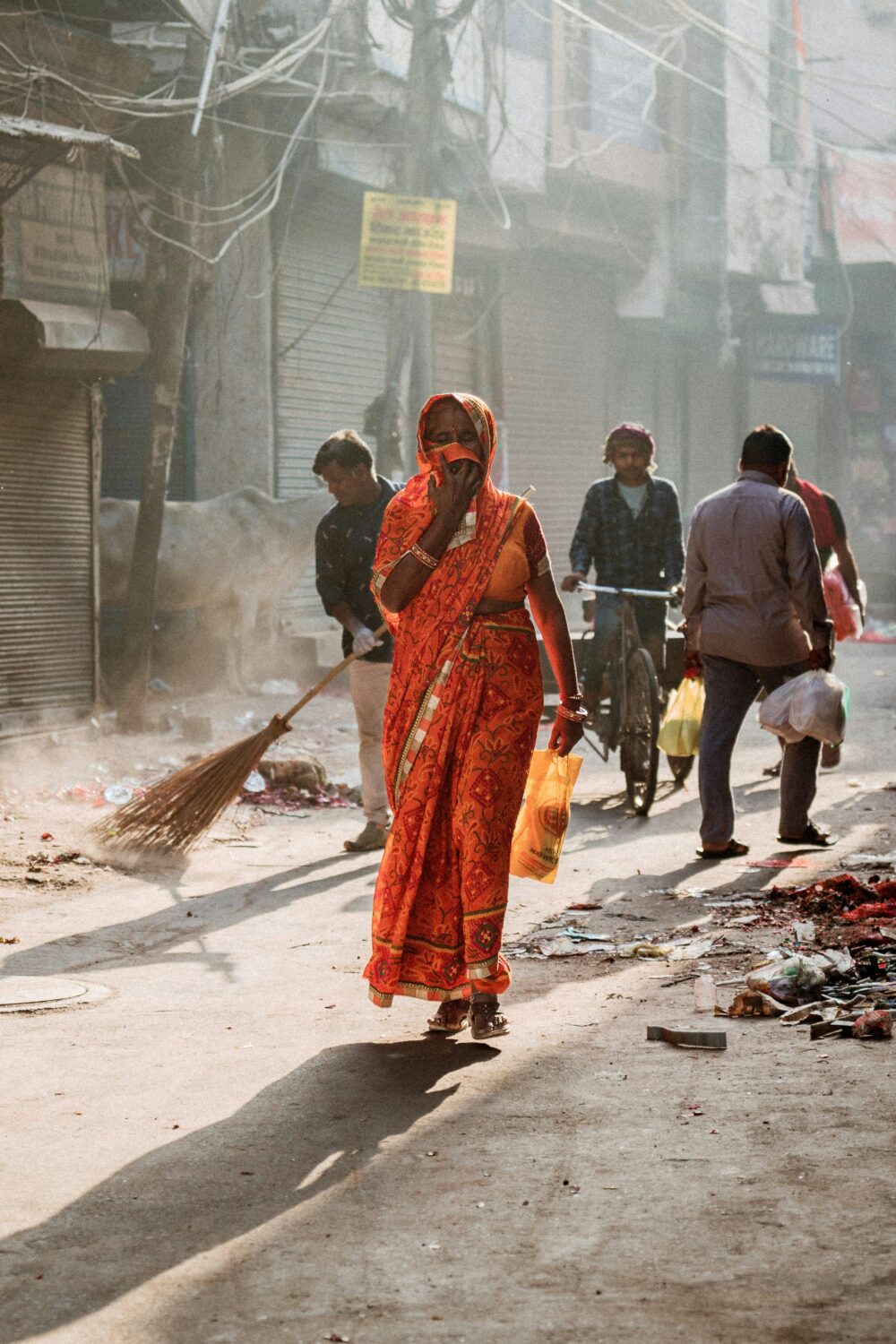
Delhi often ranks among the most polluted cities globally, with air quality reaching hazardous levels during certain seasons. Industrial emissions, crop burning, and heavy vehicular traffic fill the air with toxic particles, making it difficult for residents to breathe. During the colder months, smog blankets the city, exacerbating respiratory diseases. Urgent reforms in transportation and agriculture are crucial to battling Delhi’s air quality crisis.
Beijing, China
Beijing’s air is thick with pollution, primarily from industrial emissions, coal burning, and traffic. Despite significant improvements, such as stricter regulations and reduced coal use, the city still struggles with its infamous smog. In winter, the pollution often worsens due to the combination of heating systems and industrial output. The city’s inhabitants face an increased risk of heart and lung diseases, making air quality improvement a top priority.
Lagos, Nigeria
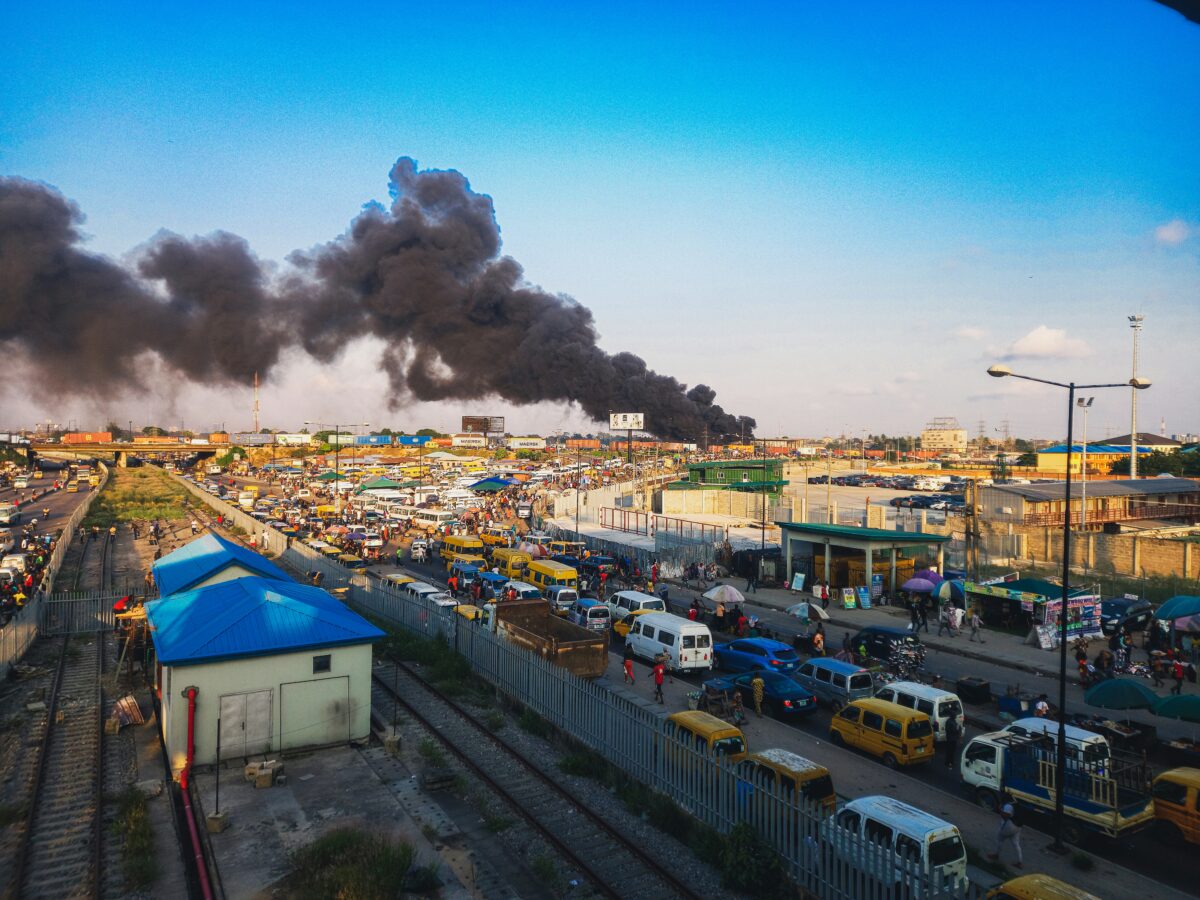
Lagos, Nigeria’s commercial hub, battles air pollution that is often masked by dense traffic congestion. Poor waste management, diesel generators, and unregulated industrial activity contribute to the toxic air residents breathe. The consequences are severe, as air pollution leads to a spike in respiratory infections and other health problems. Lagos needs urgent intervention to improve infrastructure and waste management, and to reduce industrial emissions.
Karachi, Pakistan
Karachi’s rapid industrialization and uncontrolled vehicular emissions are pushing air pollution levels through the roof. Despite local authorities’ efforts to mitigate pollution, dust from construction sites and factories, combined with heavy traffic, continues to worsen the situation. The residents face significant health risks, with rising rates of asthma, bronchitis, and other lung diseases. Tackling air quality in Karachi requires bold action from both the government and residents.
Dhaka, Bangladesh
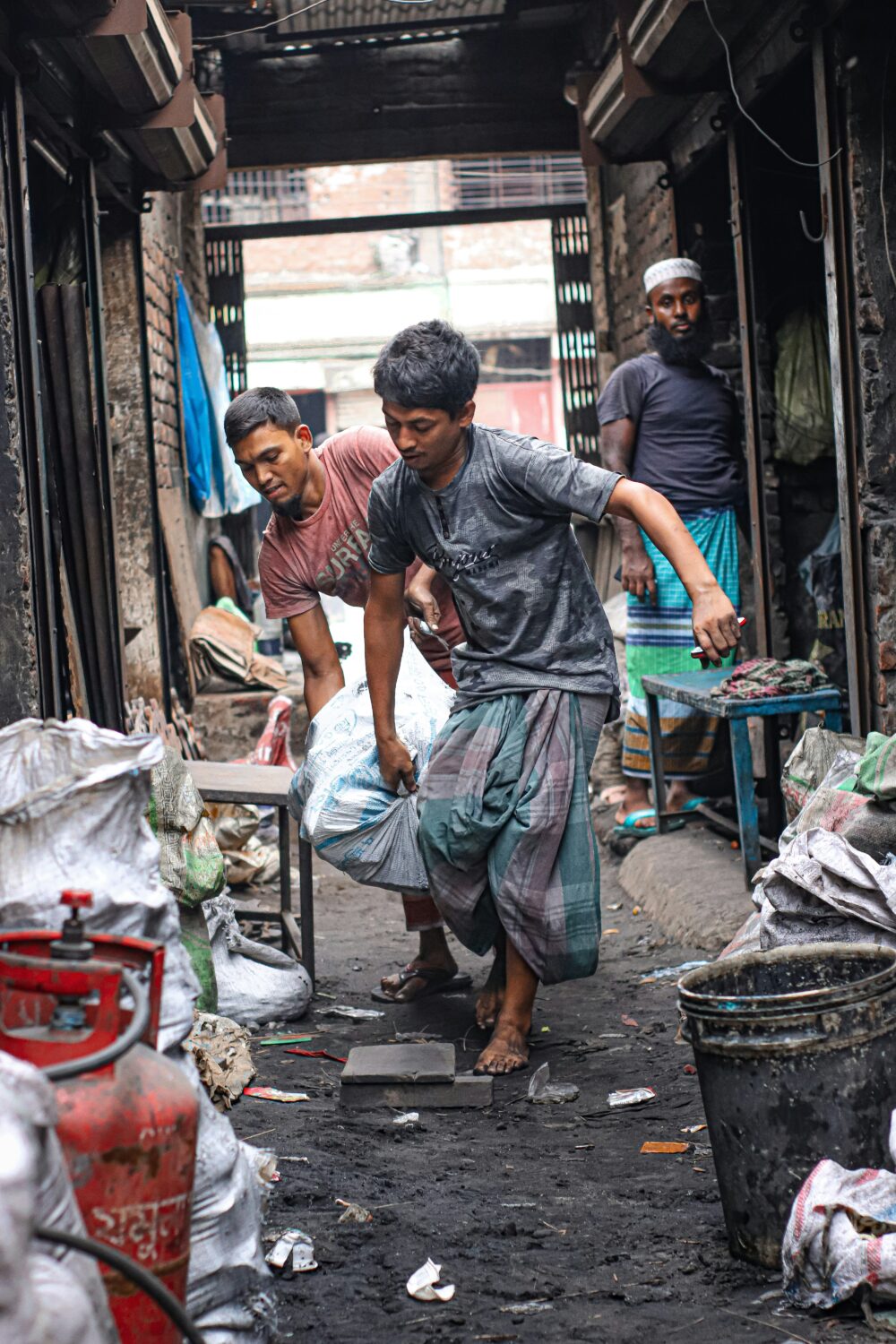
Dhaka, one of the most densely populated cities in the world, is a ticking time bomb when it comes to air pollution. Industrial emissions, construction dust, and the ever-growing number of vehicles contribute to dangerously high pollution levels. The toll on public health is severe, with respiratory diseases rampant, particularly among children. The need for cleaner public transport and more effective regulation is becoming urgent as the city’s air quality continues to deteriorate.
Cairo, Egypt
Cairo’s struggle with air pollution stems from industrial emissions, car exhaust, and the annual sandstorms that blanket the city. This lethal cocktail of pollutants leaves the city’s residents with increasingly frequent health issues, including asthma and heart disease. Though the government has taken steps to reduce emissions, Cairo’s air quality remains a major concern for its 9 million residents. Implementing greener energy solutions and improving traffic management could alleviate some of the strain on the city’s air quality.
Jakarta, Indonesia
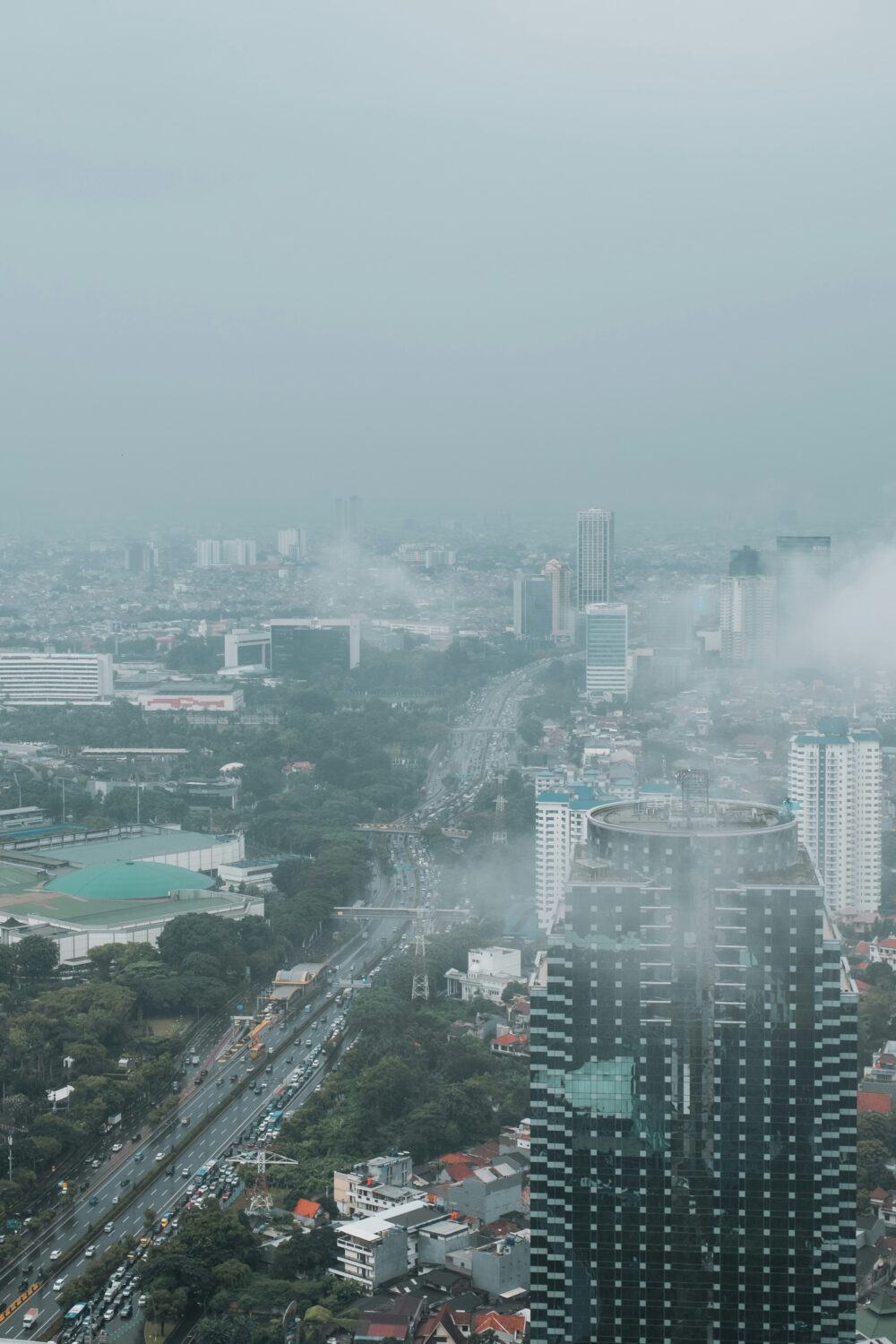
Jakarta is rapidly becoming one of the most polluted cities in Southeast Asia, driven by industrial emissions, dense traffic, and biomass burning. The city’s fast-paced urbanization has left little room for environmental protection, and the residents are feeling the effects. The combination of poor air quality and the ongoing construction boom has caused a significant rise in respiratory illnesses. Jakarta needs to reconsider its growth strategies to prioritize environmental sustainability.
Mexico City, Mexico
Mexico City’s sprawling population and heavy industrial presence are contributing to its notoriously poor air quality. High levels of vehicular emissions and insufficient green spaces have led to persistent smog, especially during the dry season. The health consequences are severe, including increased risks for asthma, lung disease, and heart conditions. To reverse this trend, Mexico City must invest in cleaner public transport and stricter emissions regulations.
Moscow, Russia
Moscow’s air quality suffers from a combination of industrial emissions, coal burning, and a lack of green spaces in urban areas. The city’s reliance on coal for heating and energy production, especially in winter, significantly contributes to its pollution levels. This results in dangerous air that can harm respiratory health. Solutions such as transitioning to cleaner energy sources and expanding green spaces are essential to tackling Moscow’s pollution problem.
Manila, Philippines
Manila’s air quality has been steadily declining due to rapid urbanization, overpopulation, and industrial emissions. The city’s dense traffic, widespread use of outdated vehicles, and burning of agricultural waste fill the air with harmful pollutants. The residents are facing rising rates of asthma and other respiratory conditions. To improve air quality, Manila must focus on developing sustainable public transport and promoting cleaner industrial practices.
Conclusion
These 10 cities represent just a fraction of the global air quality crisis, but they offer a stark reminder of the environmental challenges we face. As pollution continues to affect millions, it’s clear that immediate action is needed from governments, industries, and residents alike. From promoting sustainable transport to embracing renewable energy sources, the fight for cleaner air requires a collective effort. The question remains: will we take action before it’s too late?