The Backyard Chicken Trend Is Booming Across the United States. Here’s Why Health Experts Are Warning Families About Salmonella.
Across America, more families are embracing a surprising backyard revival: raising chickens at home.
What was once mostly associated with rural farms has moved into suburban neighborhoods, city backyards, and even small urban spaces. Families are building coops, buying baby chicks, collecting fresh eggs, and turning backyard poultry into a new symbol of self-sufficiency and connection with food.
For many, the appeal is easy to understand. A flock of chickens promises fresh eggs, a rewarding family hobby, and a closer relationship with nature. After years of rising grocery prices, supply concerns, and growing interest in knowing where food comes from, backyard chickens have become more popular than ever.
But as millions of Americans welcome chickens into their homes, health experts are delivering an important warning: those adorable chicks and friendly hens can carry a hidden danger.
Salmonella, a bacterium that can cause serious illness, continues to be linked to backyard poultry across the country. The birds may appear perfectly healthy, but they can still spread harmful germs through their feathers, droppings, cages, eggs, and anything they touch.
The message from health officials is not that families should avoid raising chickens. Instead, experts say Americans need to understand the risks and follow simple safety steps to enjoy backyard poultry responsibly.
Why Backyard Chickens Have Become One of America’s Fastest-Growing Hobbies
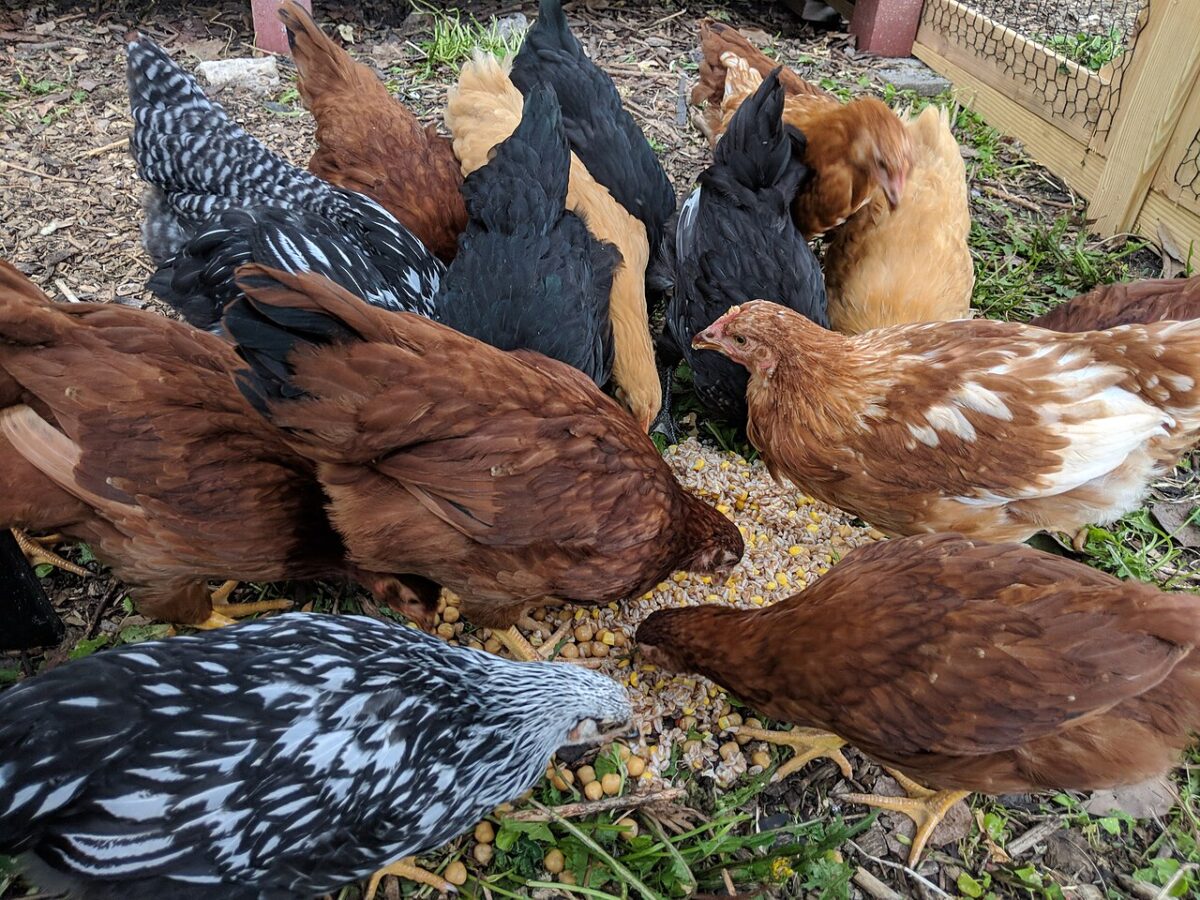
The backyard chicken movement has grown dramatically in recent years as Americans look for ways to become more independent and connected to their food.
For some families, the motivation is economic. Egg prices have experienced major swings, prompting consumers to seek alternatives. A small backyard flock can appear to offer a solution: a steady supply of fresh eggs without relying entirely on grocery stores.
For others, chickens have become pets. Many owners give their birds names, recognize their personalities, and treat them as part of the family. Children often become fascinated with watching chicks grow, feeding them, and collecting eggs each morning.
The pandemic accelerated this trend even further. When millions of Americans spent more time at home, many turned toward hobbies that created purpose and routine. Gardening, baking, and raising backyard chickens all experienced renewed interest.
Hatcheries across the country reported increased demand for baby chicks as families searched for new activities and greater food security. But experts say the emotional connection people develop with chickens can sometimes create a false sense of safety.
A chicken may look like a harmless backyard pet, but biologically, it remains livestock that can carry bacteria that can make humans sick.
The Hidden Salmonella Risk Behind Healthy-Looking Chickens
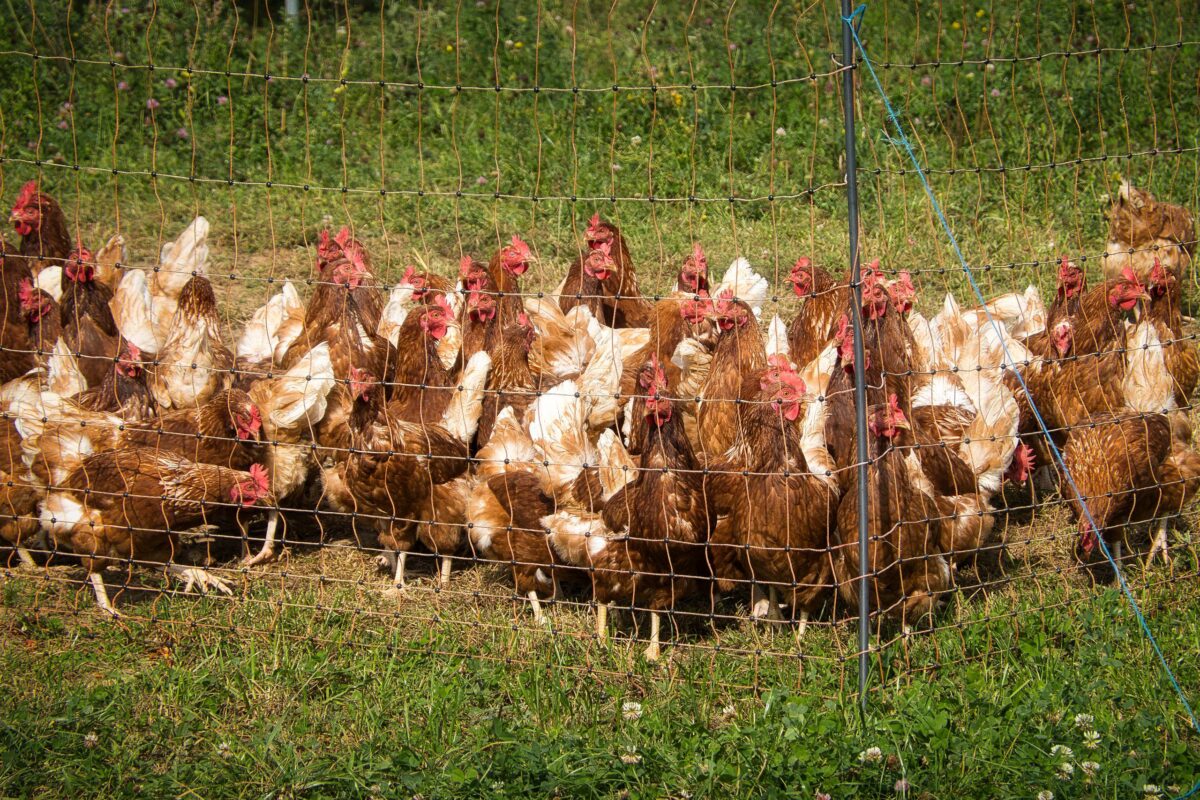
One of the biggest misconceptions about backyard poultry is that only sick birds spread disease. That is not true. Chickens, ducks, and other poultry can carry Salmonella without showing any signs of illness. They can appear active, clean, and healthy while still spreading bacteria through their droppings and bodies.
The bacteria can spread in ways many new chicken owners do not expect. A person may touch a chicken, clean a coop, collect eggs, or handle a feeder and unknowingly pick up Salmonella on their hands. If they later touch their mouth, prepare food, or interact with children without washing properly, the bacteria can enter the body.
The risk is not limited to direct contact with birds. Salmonella can also spread through:
- Coop bedding
- Chicken cages
- Feed containers
- Water dishes
- Shoes worn around the flock
- Clothing exposed to poultry areas.
- Backyard soil is contaminated with droppings.
This is why health experts repeatedly emphasize one simple rule: backyard chickens should be enjoyed, but they should not be treated exactly like household pets.
Children Are Among Those Most at Risk
The biggest concern for health officials is not only that Salmonella exists, but who becomes seriously ill. Young children are especially vulnerable. Health experts warn that children under the age of 5 face a higher risk because they are more likely to touch their faces, put their hands in their mouths, and have developing immune systems.
The attraction is understandable. A small chick is soft, colorful, and easy for children to become attached to. Many kids want to hold them, carry them, or even cuddle them. But those behaviors can increase exposure.
Health officials recommend that young children avoid handling chicks, ducklings, and other backyard poultry. Older children who interact with birds should be supervised and taught proper hygiene habits.
The safest routine is simple: Wash hands with soap and water immediately after touching birds or anything in their environment. Do not eat or drink while handling poultry.
Keep chickens outside and away from living spaces. Avoid kissing or snuggling birds.
These small actions can significantly reduce the risk of infection.
Salmonella Illness Can Be More Serious Than Many People Realize
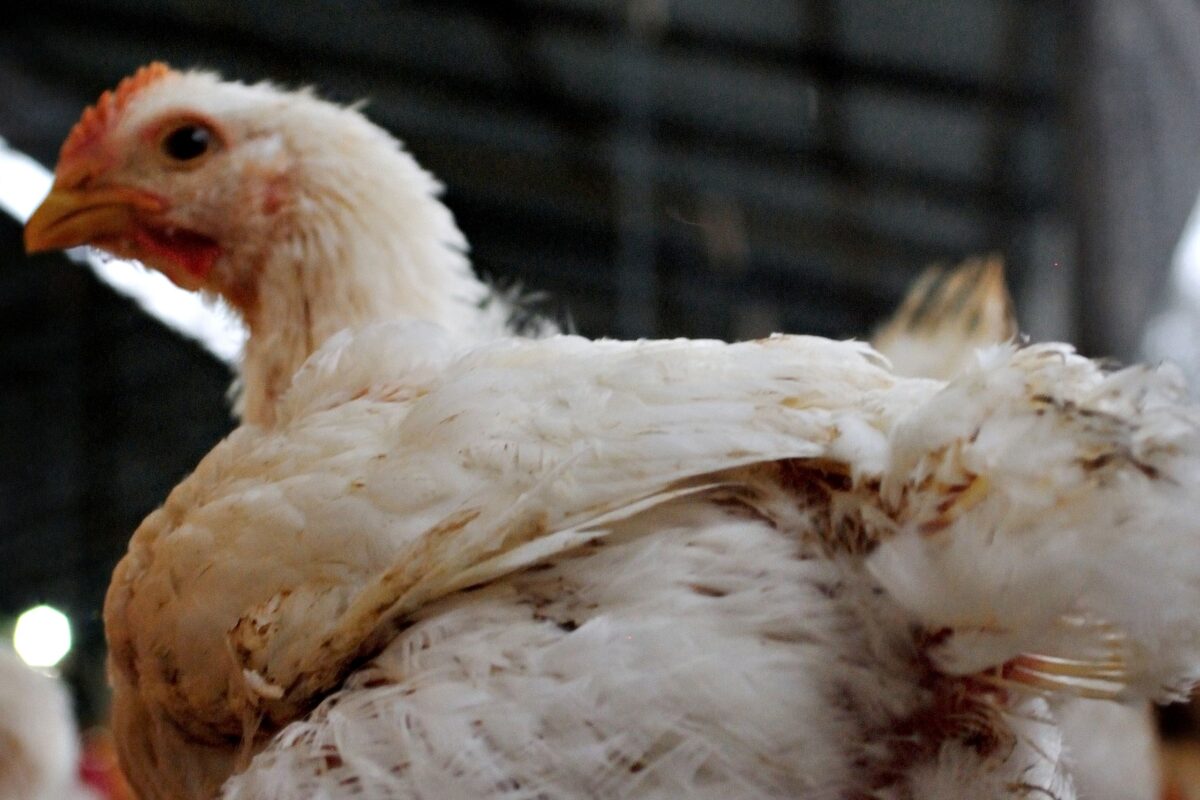
Many people associate Salmonella with a temporary stomach illness. While some infections are mild, others can become severe.
Common symptoms include:
- Diarrhea
- Fever
- Stomach cramps
- Nausea
- Vomiting
Symptoms often appear several hours or days after exposure.
Most healthy adults recover without major complications, but Salmonella can be dangerous for certain groups, including young children, older adults, and people with weakened immune systems.
In serious cases, the infection can spread beyond the intestines and enter the bloodstream, creating life-threatening complications.
That is why experts continue warning families not to underestimate the risk simply because their chickens appear healthy.
Fresh Eggs Do Not Automatically Mean Safer Eggs
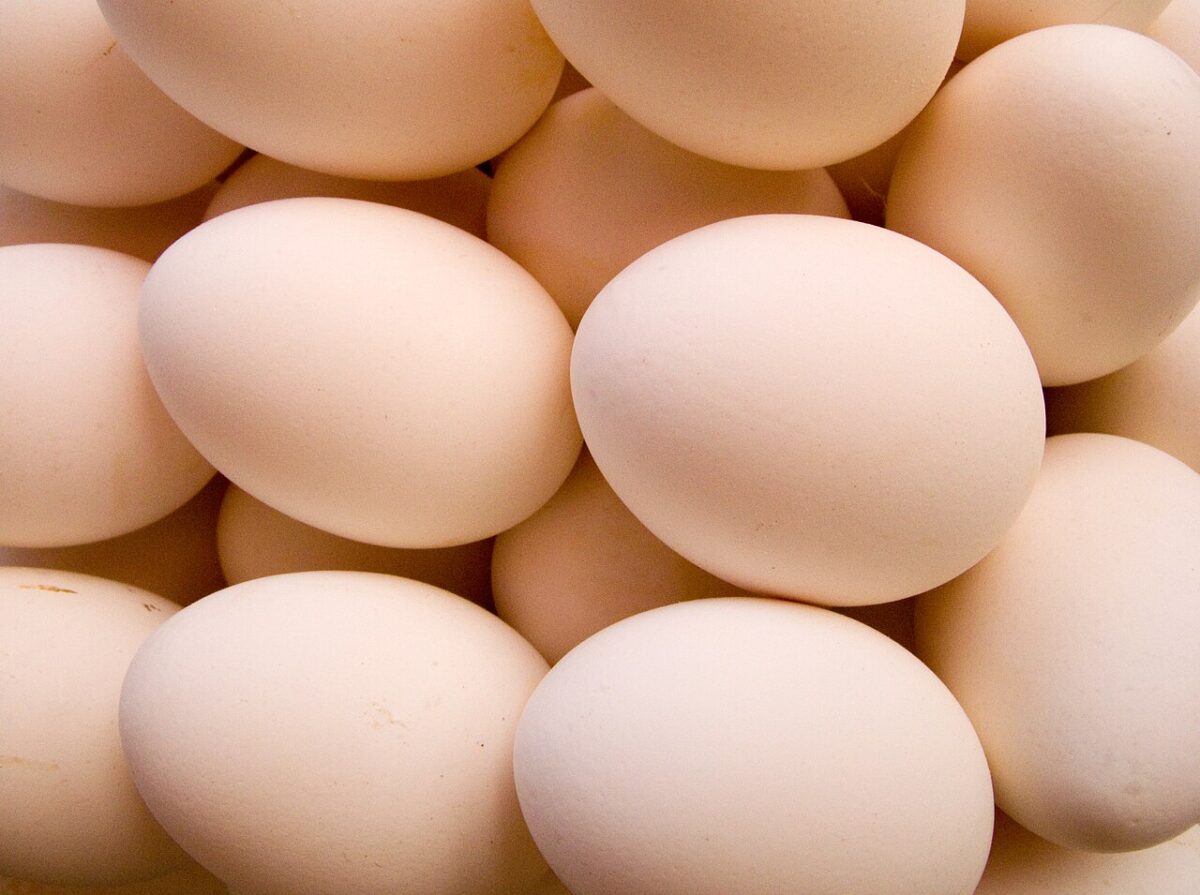
One of the biggest reasons people raise chickens is for fresh eggs. However, backyard eggs require careful handling.
Eggs can become contaminated before they are collected, especially if they come into contact with chicken droppings or dirty nesting areas. Health experts recommend several safety practices:
Collect eggs frequently.
Discard cracked eggs.
Keep eggs refrigerated.
Wash hands after handling eggs.
Cook eggs thoroughly until both the yolk and white are firm.
Avoid eating raw or undercooked eggs.
Many new chicken owners assume that because the eggs came directly from their backyard, they are automatically cleaner than store-bought eggs. But freshness and safety are not the same thing.
A fresh egg can still carry harmful bacteria.
The Cost of Backyard Chickens Goes Beyond Buying Chicks
The excitement of bringing home baby chicks can make backyard poultry seem simple. But experienced owners know that chickens require serious commitment.
A flock needs:
- A secure coop
- Protection from predators
- Regular feeding
- Clean water
- Proper sanitation
- Veterinary attention when necessary
- Daily care throughout the year
A chick can take several months before it begins producing eggs. Many breeds require around 16 to 24 weeks before reaching laying age. The cost of feed, housing materials, bedding, and maintenance can quickly add up.
For families expecting backyard chickens to eliminate grocery costs, the reality can be surprising. The reward is often not just cheaper eggs. It is the experience of responsibly raising animals.
Backyard Chicken Safety Starts With Better Habits
Health experts say responsible chicken ownership is possible. The goal is not to discourage families from keeping poultry but to encourage safer practices.
A few habits can make a major difference:
Create a Chicken-Only Area
Keep birds in a designated outdoor space. Avoid allowing chickens inside homes, garages, kitchens, or areas where food is prepared.
Use Dedicated Supplies
Keep separate shoes, tools, and clothing for coop maintenance. Do not bring potentially contaminated equipment into the home.
Make Handwashing Non-Negotiable
Handwashing should occur every time someone touches birds, eggs, cages, feeders, or any other item in the poultry area.
Teach Children Safe Interaction
Children can learn valuable lessons from raising chickens, but adults should set clear boundaries.
Buy Birds From Responsible Sources
Families should purchase chicks from reputable hatcheries and sellers that follow disease-prevention practices.
The Backyard Chicken Boom Is Here to Stay, but Safety Must Come With It
Backyard chickens are unlikely to disappear anytime soon. The appeal is too strong. Families enjoy the connection, the responsibility, the fresh eggs, and the satisfaction of producing something themselves.
But the growing popularity of backyard poultry also means more Americans need to understand the risks that come with the trend.
A chicken coop can bring joy, education, and fresh food to a household. It can also bring bacteria that are invisible until someone gets sick. The difference comes down to awareness.
The safest chicken owners are not the ones who love their birds less. They are the ones who understand them better.
Backyard poultry can remain one of America’s most rewarding hobbies, as long as families remember one important lesson: healthy-looking chickens can still carry hidden risks, and simple safety habits can protect the people who enjoy them most.