Mamdani’s NYC Pied-à-Terre Tax List Sparks Debate Over Privacy, Wealth and Who Pays More
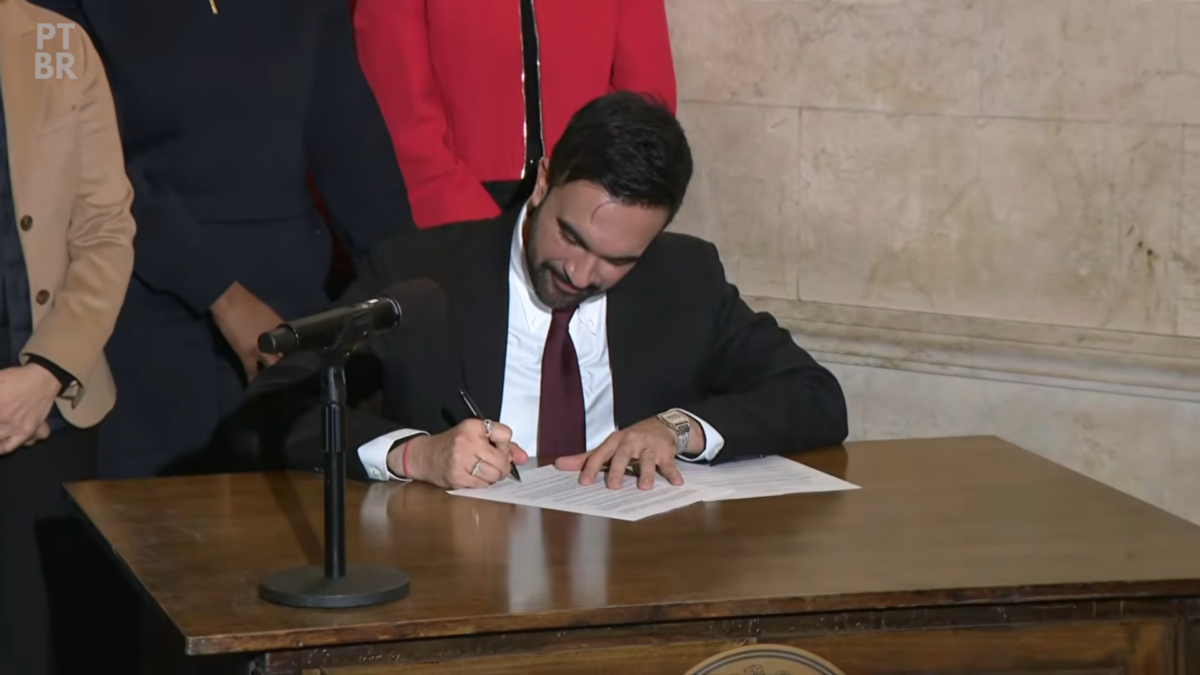
For some New York property owners, a routine government notice became the center of a much bigger debate.
The city’s new NYC pied-à-terre tax has pushed thousands of high-value homes and apartments into the spotlight after officials published a supplemental property roll identifying residences that could potentially face a new surcharge.
The move has intensified a long-running argument over whether wealthy owners of second homes should contribute more to the city’s finances or whether the government has gone too far in making property information easier to access.
Mayor Zohran Mamdani’s administration says the measure is designed to ensure that expensive non-primary residences contribute additional revenue to support city services. Critics, however, have raised privacy concerns after the publication of property details connected to possible future tax liability.
The controversy highlights a difficult balance facing New York: increasing transparency while protecting residents’ personal information.
The city’s new tax targets expensive non-primary residences

The pied-à-terre tax officially took effect on July 1, 2026, after being included in New York’s state budget.
The surcharge applies to certain residential properties that are considered non-primary residences and meet specific value thresholds.
According to the New York City Department of Finance, the tax may apply to one-, two- and three-family homes valued above $5 million. It may also apply to condominium and cooperative units valued at $1 million or more under the city’s assessment system.
The goal is straightforward: charge an additional tax on luxury residences that are not used as someone’s main home.
Supporters argue that owners who maintain expensive second homes in New York benefit from city infrastructure and services even when they do not live there year-round.
The policy has become a central part of Mamdani’s broader affordability agenda, which focuses on increasing contributions from higher-income property owners.
Published property roll fuels privacy concerns.
The biggest controversy began after the Department of Finance released a supplemental market-value roll connected to the new surcharge.
The list includes properties that may qualify for the tax, but appearing on the roll does not automatically mean the owner owes the surcharge.
The Department of Finance states that the publication includes properties that require further review before a final determination is made.
That distinction has become a major part of the debate. The issue gained wider public attention after The New York Post reported on the publication of the NYC property list connected to the new pied-à-terre tax.
Some property owners and critics argue that being publicly associated with the tax creates the impression that they are already confirmed as wealthy absentee owners, even when they may qualify for exemptions or corrections.
The concern is not that property records were previously unavailable. New York has long maintained public property records.
Instead, critics have focused on the impact of combining information into a searchable database connected to a politically controversial tax.
Privacy advocates say the modern ability to collect and distribute public information creates new challenges that did not exist when many records were created.
Mamdani administration defends the transparency requirement
City officials have argued that publishing the information is part of the legal process required to establish the new surcharge.
The Department of Finance says the supplemental roll allows property owners to review their status and provides a foundation for the exemption process.
The city’s position is that transparency helps ensure fairness because affected owners have an opportunity to challenge incorrect classifications.
The publication also allows residents and policymakers to examine how the tax is being implemented. The administrative process behind the surcharge was also outlined in New York City Record documents detailing the Department of Finance rulemaking process.
However, critics believe the city could have provided transparency while limiting the amount of identifying information made publicly available.
The debate has turned into a larger conversation about how governments should handle public data in an era when information can spread instantly online.
Appearing on the list does not guarantee a tax bill
One of the most important details about the new system is that the published list is not a final tax collection document.
A property may appear because it meets certain value requirements, but owners can still prove that the home qualifies as a primary residence or another exemption category.
The Department of Finance created an exemption process for owners who believe they should not be subject to the surcharge.
Applicants may need documents showing residency, ownership structure, rental agreements or other evidence supporting their claim.
This is particularly important because luxury properties are often held through complicated arrangements involving trusts, companies, family ownership groups or cooperative structures.
A person who owns a high-value apartment does not automatically owe the surcharge simply because the property appears in the city’s records.
Real estate experts expect a complicated adjustment period

The introduction of the pied-à-terre tax is expected to create challenges for property owners, lawyers and real estate professionals.
Luxury real estate transactions in New York already involve extensive documentation, including ownership reviews, financial disclosures and tax considerations.
The new surcharge adds another layer.
Potential buyers may now need to consider whether a property has been affected by the program, whether an exemption exists and whether previous owners complied with filing requirements.
The tax could also influence decisions among owners who maintain second residences in the city.
Some may choose to establish the property as a primary residence, while others may reconsider holding onto a high-value apartment that faces additional costs.
The long-term impact on the luxury market remains uncertain.
Supporters say the tax could bring new revenue to New York
Supporters of the policy argue that the city needs additional revenue to maintain essential services.
They say owners of multimillion-dollar second homes can contribute more without affecting everyday homeowners.
The surcharge is expected to generate significant funding, although the final amount will depend on exemptions, appeals and how many properties ultimately qualify.
The city must now prove that the program can operate efficiently while delivering the revenue officials expect.
A complicated application process or large numbers of successful appeals could affect the final financial impact.
Critics warn the rollout could create unintended problems
Opponents of the tax argue that the city must be careful not to create unnecessary burdens for property owners who may have legitimate reasons for maintaining a non-primary residence.
Some residents own apartments for family use, temporary work arrangements, or long-term financial planning.
They argue that the government must carefully separate true luxury investment properties from situations involving ordinary residents with complex circumstances.
The challenge for city officials will be ensuring that enforcement focuses on the intended targets without unfairly affecting people who qualify for exemptions.
The fight over the pied-à-terre tax reflects a bigger New York debate
The controversy surrounding Mamdani’s pied-à-terre tax is about more than one new surcharge.
It reflects a much larger debate about housing, wealth and fairness in one of the world’s most expensive cities.
New York continues to struggle with affordability challenges, while luxury real estate remains a major part of the city’s economy.
Supporters see the tax as a way to make wealthy property owners contribute more.
Critics see the rollout as a warning about government power and the risks of publicly identifying private citizens through expanded databases.
As the exemption process moves forward, the success of the program will likely depend on whether the city can balance revenue collection with accuracy, privacy protections and public trust.
For thousands of property owners, the next few months will determine whether the new surcharge becomes a major financial burden or simply another administrative step in owning property in New York City.