Why Many Boomers Refuse to Spend Their Savings
Financial planners often tell retirees that their savings are meant to be used. After decades of working, budgeting, and putting money aside, retirement is supposed to be the time to finally enjoy it. Yet many boomers find it surprisingly hard to spend the money they worked so hard to save.
Some live on far less than they could afford, keep the thermostat low, and hesitate over every purchase, even with a healthy balance in the bank. Their adult children sometimes urge them to take that trip, fix the house, or simply relax. But the habit of holding on can be very difficult to break.
This reluctance is not just stubbornness. It is rooted in history, upbringing, and genuine fears about the future. Here is why many boomers refuse to spend their savings, and how some are learning to find a healthier balance.
They Were Raised by Depression-Era Parents
Many boomers were raised by parents who lived through the Great Depression. Those parents knew what it was like to go without food, lose a job, or watch a bank fail. They taught their children to save every penny and never waste anything.
These lessons stuck. Boomers grew up hearing stories of hardship and sacrifice. They learned that money should be saved for emergencies, not spent on luxuries.
Even when they became financially comfortable, many boomers kept these frugal habits. They reused, repaired, and avoided debt. Many recognize the Depression-era mom habits in their own upbringing.
Fear of Running Out of Money
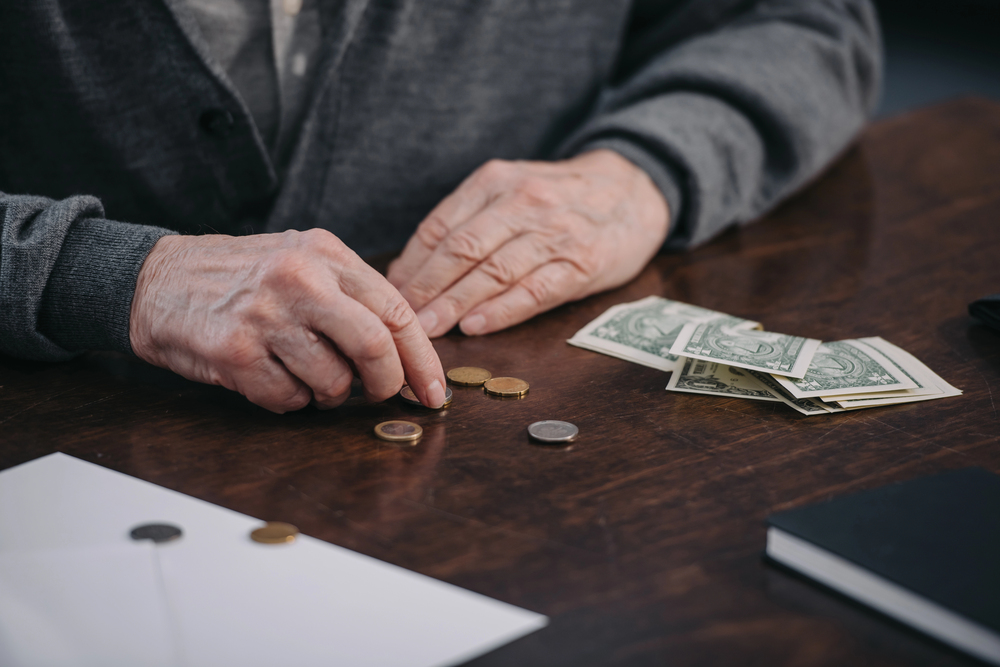
One of the biggest reasons boomers hold onto their savings is fear of running out. People are living longer than ever, and retirement can last 20 or 30 years. Many worry that their money will not last.
Rising costs of living add to this fear. Housing, food, and utilities have become more expensive. Many retirees feel they need to save even more.
This fear can cause boomers to spend very little, even when they have plenty saved. They worry about unexpected expenses. Financial security feels more important than enjoying the present.
Healthcare Costs Are Unpredictable
Healthcare is one of the biggest concerns for retirees. Even with Medicare, out-of-pocket costs can be significant. Long-term care, such as nursing homes or in-home care, can be very expensive.
Many boomers worry about needing long-term care. They save money in case they need it. They do not want to burden their children.
Unpredictable healthcare costs make it hard to plan. Many boomers prefer to keep a large cushion of savings. They see it as insurance against the unknown.
They Want to Leave an Inheritance
Many boomers want to leave money to their children and grandchildren. They see it as a way to help their families and leave a legacy. Some feel it is their duty.
This desire can make them reluctant to spend. They want to preserve their savings for future generations. They may sacrifice their own comfort to do so.
However, some financial experts encourage retirees to balance their own needs with their goals for inheritance. They point out that retirees deserve to enjoy their savings. Adult children often agree.
Saving Is a Lifelong Habit
For many boomers, saving is a habit they have practiced for decades. They have always lived below their means and avoided unnecessary spending. Changing that habit in retirement is difficult.
Psychologists say that switching from saving to spending can feel uncomfortable. It goes against years of training. Some retirees feel guilty spending money.
Many boomers find it hard to see their savings decrease. Watching their account balance go down can cause anxiety. They prefer to keep it stable.
Economic Uncertainty
Boomers have lived through several economic downturns, including the stagflation of the 1970s, the 2008 financial crisis, and the pandemic. These experiences have made them cautious. They know that markets can drop suddenly.
Many boomers lost money during these downturns. They worry about it happening again. Keeping savings safe feels more important than spending.
Inflation is another concern. Many retirees worry that rising prices will erode their savings. They feel they need to save more to keep up.
They Remember When Things Were Cheaper
Many boomers remember when everyday items cost a fraction of today’s prices. They remember buying a house for a modest sum or filling up the gas tank for a few dollars. Today’s prices can seem shocking.
This makes many boomers reluctant to spend money on things they consider overpriced. They may avoid eating out or buying new clothes. They compare prices to the past.
Many boomers have noticed sharp price increases on everyday items in 2026. These increases only reinforce their frugal habits.
Guilt and Identity
For some boomers, being careful with money is part of who they are. They take pride in being savers, in never carrying debt, and in being able to help their children in an emergency. Spending freely can feel like giving up a part of their identity.
Some also feel guilty spending on themselves when they know others are struggling. They remember parents who sacrificed everything for the family. Treating themselves to a cruise or a new car can feel almost disloyal to that memory.
Finding a Healthy Balance
Financial experts encourage retirees to find a balance between saving and spending. They suggest creating a retirement budget that includes some spending on enjoyment. Planning can reduce fear.
Some retirees work with financial advisors to create a withdrawal plan. This helps them understand how much they can safely spend. It can provide peace of mind.
Tools like the compound interest calculator from Investor.gov can help people understand how their savings may grow. Many retirees find that they have more than they thought.
Enjoying the Fruits of Their Labor
Many boomers are learning to enjoy their savings. They take trips, spend time with family, and pursue hobbies. They realize that life is short.
Adult children often encourage their parents to spend money on themselves. They want their parents to enjoy retirement. Many say they would rather see their parents happy than receive a large inheritance.
The Value of Peace of Mind
For some boomers, having savings provides peace of mind. They feel secure knowing they have money for emergencies. This security can be worth more than spending.
Each person must decide what balance works for them. Some find joy in saving, while others find joy in spending. Many of these are old-school money habits that still have value, along with money pits boomers wisely avoid. Do you find it hard to spend your savings, and what helps you feel comfortable enjoying them?