Camp Mystic Files for Bankruptcy After Texas Flood Disaster That Killed 28 People
Camp Mystic, the long running Texas summer camp where 28 children and staff died during catastrophic flash floods, has officially filed for bankruptcy. The filing marks a major turning point in a tragedy that has already triggered lawsuits, state investigations, and growing national scrutiny over camp safety in flood prone regions.
For many families, the announcement is another painful chapter in a disaster that continues to raise questions about responsibility, preparedness, and whether the tragedy could have been prevented.
What Happened
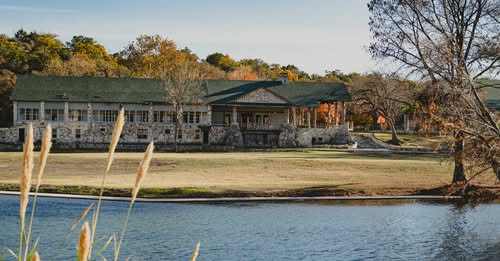
According to court filings, Camp Mystic has entered Chapter 11 bankruptcy protection, citing overwhelming financial pressure following the deadly flood event and the wave of legal claims that followed. The camp reported millions in liabilities tied to wrongful death lawsuits filed by families, Property destruction from severe flooding, Insurance disputes over coverage limitations, and legal and operational shutdown costs.
The bankruptcy comes after the devastating flooding along the Guadalupe River in Texas, where rapidly rising waters overwhelmed campgrounds and evacuation routes within minutes. In total, 28 people died, including campers, staff members, and the camp director. Emergency responders described chaotic conditions as they attempted rescues in fast-moving floodwaters.
Why Locals Care
Camp Mystic has been part of the Texas summer tradition for generations, hosting thousands of children. Its collapse into bankruptcy has shaken families and local communities that once viewed the camp as a trusted, safe environment. Now, the impact extends far beyond the tragedy itself; Families are still seeking accountability and answers; Local residents are questioning safety standards at youth camps; Parents across Texas are reconsidering flood-zone camp placements; and seasonal workers tied to the camp have lost jobs and income.
The bankruptcy has also sparked concern that financial protections may limit how much compensation families ultimately receive.
The disaster occurrence
The disaster occurred during a sudden and severe weather system that brought intense rainfall across central Texas. The Guadalupe River rose rapidly, triggering flash floods that swept through parts of Kerr County, including Camp Mystic. Key developments since the tragedy include: State level investigations into emergency response failures; Multiple civil lawsuits alleging negligence and inadequate safety planning; Hearings on camp evacuation procedures and flood preparedness; and public pressure for stricter regulations on camps in high-risk zones.
Authorities have been reviewing whether warning systems, evacuation protocols, and staffing levels were sufficient given the known flood risk in the region.
What Happens Next
The bankruptcy case now moves into federal court, where a judge will oversee how Camp Mystic’s remaining assets are handled and how claims are processed. Next steps include: Court review of financial disclosures and creditor claims; Consolidation of wrongful death lawsuits into bankruptcy proceedings; Determination of asset distribution to victims’ families and creditors; Continued state investigation into regulatory compliance; and Possible sale or liquidation of the remaining camp property.
Hearings are expected to continue over the coming months as both legal and regulatory processes move forward in parallel.
Why It Matters
This case highlights how quickly a natural disaster can evolve into a long-term legal and financial crisis. When tragedy strikes institutions responsible for children’s safety, the consequences extend far beyond immediate loss.
For families, bankruptcy may affect the timeline and scale of compensation. For regulators, it raises urgent questions about whether current oversight of youth camps in flood-prone areas is strong enough. As Camp Mystic enters bankruptcy, the focus shifts from emergency response to accountability, liability, and the question of whether stronger safeguards could prevent similar tragedies in the future.