Bay Area Hospitality Group Abruptly Shuts Down All Restaurants, Erasing 32 Years of Dining History and 365 Jobs
A longtime Bay Area restaurant operator has abruptly shut down every one of its locations, wiping out a 32-year hospitality legacy and leaving hundreds of workers suddenly unemployed in a move that highlights the growing pressure on one of the most expensive restaurant markets in the United States.
Vine Hospitality, the group behind familiar brands such as LB Steak and Left Bank Brasserie, has closed all seven of its restaurants across the Bay Area, bringing operations to a sudden and total halt. The closures span some of the region’s most established dining corridors, including San Jose’s Santana Row, Menlo Park, San Ramon, and Larkspur.
In total, 365 employees are losing their jobs, according to a WARN notice confirming the scale of the layoffs.
A Complete Exit, Not a Gradual Decline
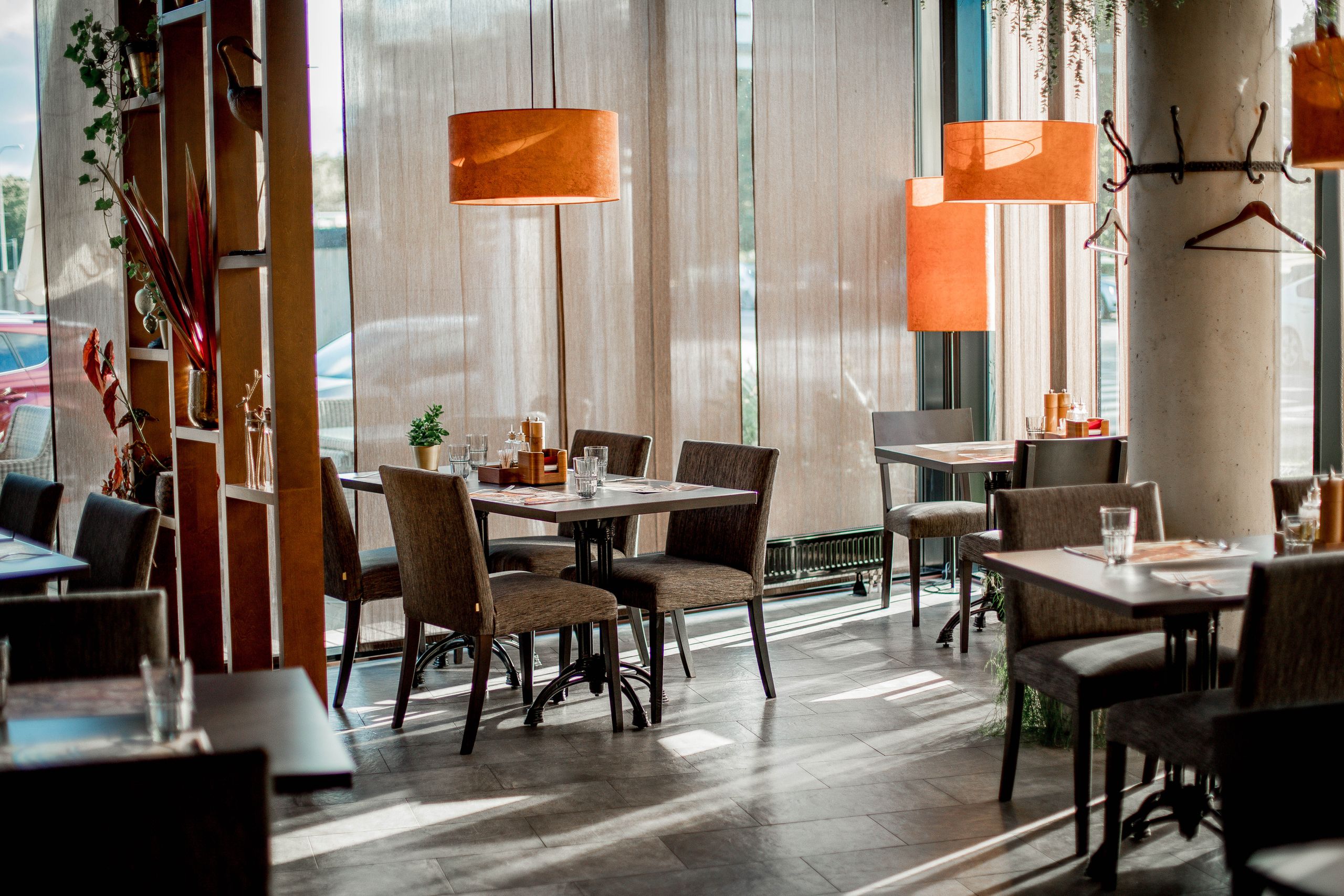
What makes the collapse stand out is not just the number of closures, but the speed and totality of them. This was not a phased retreat or a gradual downsizing. It was a full shutdown across multiple brands at once: LB Steak, Left Bank Brasserie, and the company’s newer Mediterranean concept, Meso Modern Mediterranean, all closing within days of each other.
For a company that operated for more than three decades, the outcome signals not just strain, but a complete exit from the market it once helped shape.
Rising Costs and a Broken Financial Equation
CEO Alistair Levine attributed the collapse to a combination of rising operating costs and failed financing efforts. Food inflation, particularly in key ingredients like beef and tomatoes, continued to squeeze margins in an already high-cost region. At the same time, the company was unable to secure financing tied to planned expansion efforts in San Francisco, which ultimately never materialized.
Those setbacks created a financial break point that the business could not recover from. In a region where rent, labor, and supply costs are already among the highest in the country, even long-established restaurant groups are finding that incremental pressure can quickly become structural failure.
The Bay Area Pressure Cooker Effect
The closures are also a reflection of a broader reality shaping the Bay Area hospitality industry. In cities like San Francisco, San Jose, and surrounding suburbs, restaurants operate under layered financial pressure: elevated commercial rents, rising wages, volatile food costs, and shifting post-pandemic dining patterns.
The result is a market where even well-known, multi-brand operators are not insulated from collapse. Vine Hospitality’s shutdown underscores a growing pattern: in high-cost regions, restaurant survival is no longer determined solely by popularity or brand recognition, but by whether the underlying cost structure can still support operations.
When Diversification Stops Being Protection
The company’s portfolio included multiple restaurant concepts designed to diversify risk, such as steakhouses, brasseries, and a Mediterranean dining format. But in this case, diversification did not prevent collapse. Instead, all brands fell together.
That outcome reflects a deeper reality in today’s restaurant economy: when financial pressure is systemic, even diversified portfolios can contract simultaneously rather than absorb shocks across separate units.
Expansion Plans That Never Materialized
One of the turning points in the company’s decline came from financing challenges tied to planned expansion in San Francisco. Those plans were expected to strengthen the group’s footprint in a major market.
Instead, the financing fell through, cutting off a potential growth path at the same time operating pressures were intensifying. The result was not just stagnation but a narrowing of options in an already constrained environment.
Workers Caught in the Collapse

The immediate impact is being felt by 365 employees across the Bay Area, including chefs, servers, kitchen staff, and managers who built careers inside the company’s restaurants. The layoffs were confirmed through a WARN notice, a formal requirement when mass job cuts occur, underscoring the scale of the shutdown.
While the company has stated that employees will receive final wages and accrued vacation pay, the suddenness of the closures has left workers navigating an immediate transition in one of the country’s most expensive regions to live and work.
A Broader Industry Warning Sign
Although Vine Hospitality’s collapse is dramatic, it is not isolated. Across the restaurant industry, operators are facing tighter margins, higher borrowing costs, and consumer spending shifts that have made long-term stability harder to sustain.
The post-pandemic recovery period has evolved into a cost correction phase, where only the most financially resilient businesses are consistently surviving. In that context, the Bay Area stands as one of the most difficult operating environments in the country.
The End of a 32-Year Run
For more than three decades, Vine Hospitality’s restaurants were part of the Bay Area’s dining identity, hosting celebrations, business dinners, and neighborhood gatherings across multiple generations of customers. Now, that footprint has disappeared almost overnight.
What remains is a sharper question facing the industry: in a market defined by rising costs and fragile financing, how many long-established restaurant groups can continue to operate at all? For Vine Hospitality, the answer has already been decided. And it marks the end of a 32-year chapter in Bay Area dining history, not through gradual decline, but through a sudden and complete shutdown that reshaped the local restaurant landscape in a matter of days.