Zohran Mamdani Says Democrats Must Return to Working Class Roots
New York City Mayor Zohran Mamdani says the Democratic Party needs to reconnect with working-class voters by focusing on affordability, housing, and economic issues that affect everyday Americans.
During a pre-recorded interview on SiriusXM’s “Urban View,” Mamdani discussed the future of the Democratic Party and possible contenders for the 2028 presidential race. He argued that democratic socialists running as Democrats are not moving away from the party’s identity but instead returning to what he described as its earlier priorities.
“We’re not running away from the Democratic Party; we’re going back to what the party used to be,” Mamdani said, pointing to former President Franklin D. Roosevelt’s New Deal era and former New York City Mayor Fiorello La Guardia’s reform efforts.
Mamdani said Democrats looking to win future elections must focus on delivering results for working people rather than simply talking about affordability.
Mamdani Points to New Deal Era as Model for Democrats
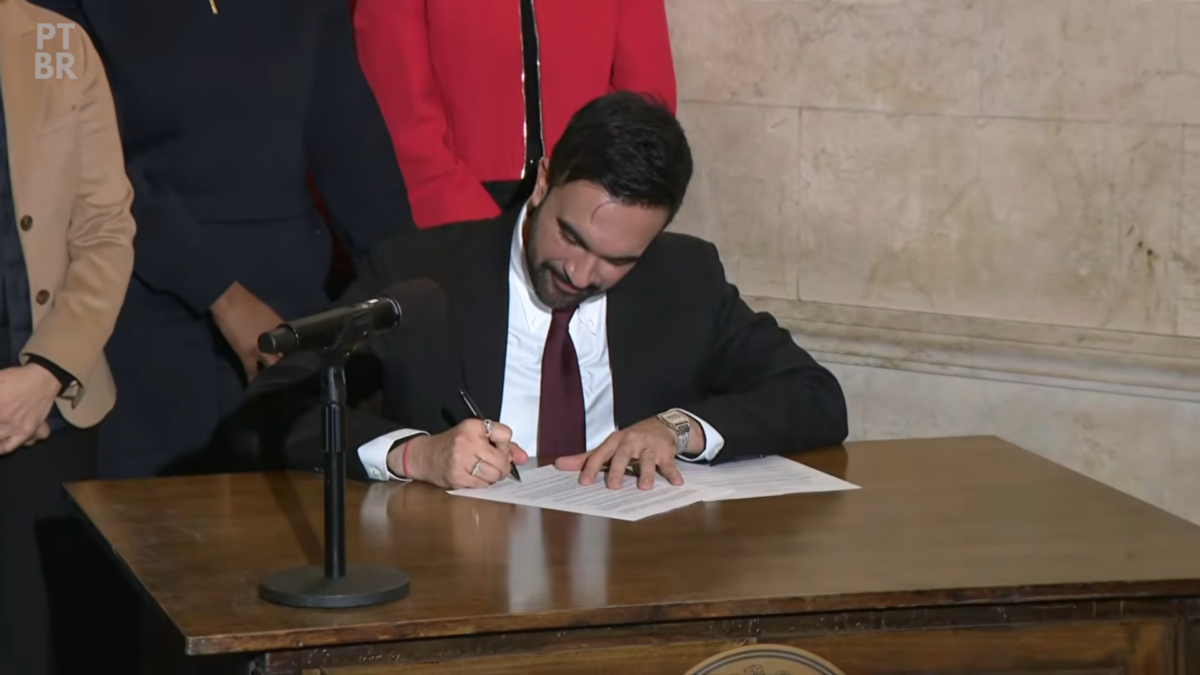
During the interview, Mamdani highlighted the New Deal period under Roosevelt, which introduced major government programs aimed at expanding economic security.
He also mentioned La Guardia, linking the former New York mayor to reform politics focused on housing and public services.
However, La Guardia’s political history is more complicated. While he supported many progressive reforms, he was not a Democrat during his mayoral campaigns. He was a Republican who won office through the City Fusion ticket.
Mamdani’s comments come as debates continue inside the Democratic Party over the direction of the movement. Some progressives argue the party should focus more heavily on economic inequality, while critics say the approach could create challenges with broader voter appeal.
Democratic Socialists Gain Influence Inside Party Debate

Mamdani’s comments come after a series of victories by democratic socialist candidates in Democratic primaries, drawing more attention to the movement’s influence within the party.
The divide has created disagreements among Democratic strategists and elected officials over campaign strategy, messaging, and policy priorities.
Democratic strategist James Carville, who worked on former President Bill Clinton’s 1992 campaign, has criticized the progressive wing of the party. He recently said some progressive candidates are too disconnected from what a wider group of voters wants.
Sen. Bernie Sanders, I-Vt., pushed back against criticism of progressive Democrats and said there is little choice in the direction being debated.
“If Mr. Carville doesn’t want to be in my party, the party I belong to, that Piker, that El Sayed belongs to, he can start his own party,” Sanders said, referring to Michigan Senate candidate Abdul El Sayed and political commentator Hasan Piker.
The disagreement reflects a larger question facing Democrats: whether the party should move further toward progressive economic policies or focus on a broader coalition of voters.
Critics Challenge Mamdani’s Vision for New York

Mamdani has also faced criticism from Republican opponents over his policies and political views.
Republican New York gubernatorial candidate Bruce Blakeman recently criticized Mamdani and Democratic economic proposals, arguing that tax policies aimed at wealthy residents could eventually affect middle-class New Yorkers.
Blakeman specifically criticized a recently passed pied-à-terre tax, which applies to certain second homes valued at $1 million or more.
“They lie to everyone about how they’re only taxing the billionaires,” Blakeman said, arguing that broader economic effects could follow.
Supporters of Mamdani’s approach say policies focused on affordability and housing are designed to address challenges facing many New York residents.
The debate reflects a broader national conversation about how Democrats should address rising costs, economic inequality, and everyday expenses.
A Debate Over the Future Direction of the Democratic Party
Mamdani’s comments highlight the ongoing struggle within the Democratic Party over its future identity.
Progressive leaders say the party must prioritize issues such as affordable housing, healthcare access, and economic fairness to connect with working-class voters.
Critics argue Democrats need a broader message that appeals beyond the party’s progressive base.
As the 2028 presidential race begins to take shape, questions about the party’s direction are likely to remain central. Mamdani argues that Democrats can rebuild support by returning to economic issues that have historically defined parts of the party’s identity.
Whether that message gains wider support will be one of the biggest political questions ahead.