9 Things Restaurant Customers Used to Accept That Many Diners Question Today
Restaurant dining has changed significantly over the past several decades. Some practices that once seemed ordinary now attract complaints, while other changes have made dining safer and more convenient.
Customers have greater access to menus, online reviews, ingredient information, and alternative restaurants. Those resources can influence what they expect when paying for a meal. These nine examples reveal how restaurant expectations have evolved, although experiences still differ by location and establishment.
1. Waiting Without Knowing How Long
Before online reservation systems and digital waitlists became common, customers often arrived at restaurants and asked how long they would need to wait. The answer was usually an estimate provided by the host.
Some restaurants used handwritten lists or pagers to manage seating. Customers remained nearby until their table became available.
Modern systems may provide text updates or allow people to join a waitlist remotely. But busy restaurants can still experience unpredictable delays. The difference is that diners now have more ways to estimate and manage their waiting time.
2. Limited Information About Ingredients
Restaurant menus once provided relatively little information about calories, allergens, or preparation methods. Customers who needed details often had to ask employees directly.
Today, many national chains publish nutritional information online. Certain chain restaurants must also follow federal menu-labeling requirements.
The FDA’s menu-labeling rules apply to covered establishments meeting specified criteria. These requirements have made calorie information more accessible in many restaurants.
Allergen information still requires careful attention. Customers with food allergies should communicate their needs directly rather than assuming a menu description includes every ingredient.
3. Smoking Near Dining Tables
Smoking was once permitted in many American restaurants. Some establishments had designated smoking sections, while others provided little separation.
Customers might encounter cigarette smoke even when they personally didn’t smoke. The experience was particularly unpleasant for people sensitive to smoke.
Indoor smoking restrictions expanded as research established the health risks of secondhand smoke. Laws now vary by jurisdiction, but many restaurants prohibit indoor smoking entirely. This represents one of the clearest changes in the physical dining environment.
4. Paying Without Seeing an Itemized Bill
Some smaller restaurants previously relied on handwritten checks or simple billing systems. Customers might receive a short list of charges rather than a detailed printed receipt.
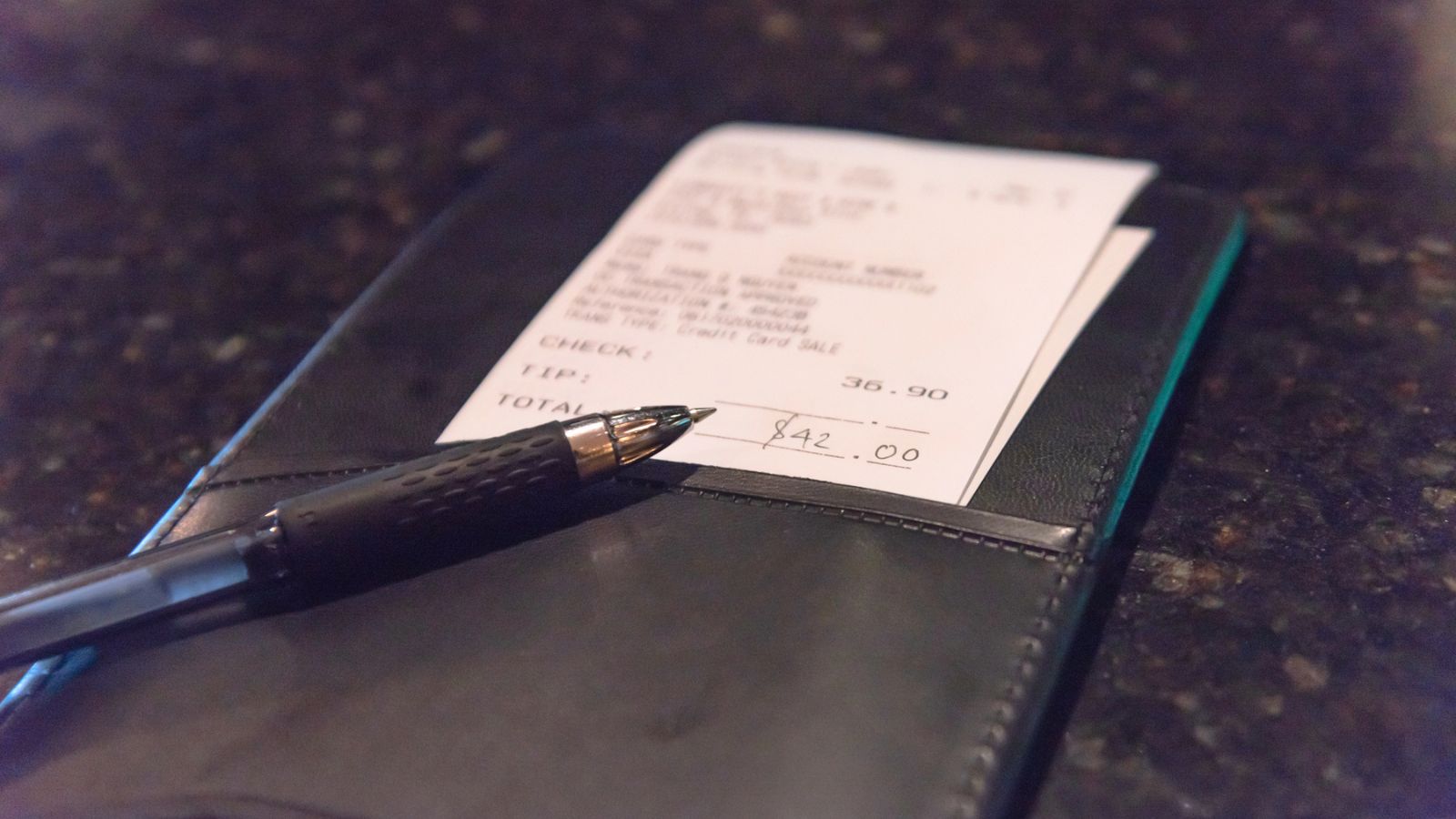
Modern point-of-sale systems can provide more specific information about meals, taxes, and additional charges. Digital receipts have also become common.
Itemized bills help diners identify mistakes and understand what they are paying for. But they don’t eliminate confusion about fees or service charges. Customers should review a bill before paying, particularly when the restaurant has added charges beyond listed menu prices.
5. Accepting a Very Limited Menu
Some traditional restaurants built their identities around a small number of dishes. Customers visited because they knew what the establishment served and liked its specialties.
Modern diners may expect greater variety, including vegetarian options or accommodations for dietary restrictions. Restaurants must balance those expectations with kitchen capacity and ingredient costs.
A smaller menu isn’t automatically a disadvantage. It can help restaurants maintain consistency and reduce waste. The important question is whether the available dishes meet the needs of the restaurant’s intended customers.
6. Being Unable to Read Reviews Before Visiting
Before internet reviews became common, customers often selected restaurants through personal recommendations, advertisements, or familiarity. A disappointing experience might be shared mainly with friends and relatives.
Today, online reviews provide more information before a visit. Diners can compare menus, photographs, and customer experiences.
Reviews aren’t always reliable, and individual experiences vary. A single negative comment shouldn’t necessarily determine whether a restaurant deserves consideration. Still, the availability of public feedback has changed how customers evaluate businesses.
7. Limited Payment Options
Cash and conventional payment cards were once the primary ways to pay restaurant bills. Digital wallets, smartphone payments, and app-based purchases were not familiar parts of everyday dining.

Modern restaurants may accept several payment methods, including contactless transactions. Some also allow customers to split bills through digital systems.
These features can simplify payment for groups. But they also create challenges when customers prefer methods a restaurant no longer accepts. Checking available payment options before visiting can prevent inconvenience.
8. Less Customization
Traditional menus often presented dishes as complete preparations. Customers could sometimes request substitutions, but extensive customization wasn’t always encouraged.
Modern ordering systems may allow diners to select ingredients, remove toppings, and adjust preparation options. Fast-casual restaurants have particularly popularized build-your-own meals.
Customization can improve customer satisfaction, but it creates extra work and potential errors. Restaurants must decide which changes their kitchens can reliably accommodate. Diners benefit from understanding that not every menu item can be modified without affecting the finished dish.
9. Unclear Tipping Expectations
Tipping has long been part of American restaurant culture, but customers now encounter prompts in more situations. Digital payment screens may request tips at counters, coffee shops, and other businesses where traditional table service isn’t provided.

This can create uncertainty about what is expected. Restaurant practices and employee compensation arrangements vary.
FrenzHub’s discussion of restaurant tipping habits reflects how dining etiquette can influence the experience. Customers may find it useful to understand local norms while making their own decisions. Clear communication about service charges can also help prevent confusion.
Why Restaurant Expectations Keep Changing
Restaurant businesses respond to technology, regulations, competition, and changing consumer habits. Customers are also more informed about food ingredients and service practices than in earlier decades.
Some changes provide meaningful improvements. Others introduce new complications, such as digital ordering requirements and unclear fees. A good dining experience still depends on basic principles: safe food, clear prices, reliable service, and respectful communication.
Modern conveniences cannot replace those fundamentals. But they can make restaurant visits easier when implemented thoughtfully.
Customers don’t need every restaurant to operate identically. They do benefit from knowing what to expect before ordering and paying for a meal.