Puerto Rico’s Mofongo Turns Fried Plantains Into Comfort Food With a Serious Backstory
Garlic, crispy pork cracklings, and fried green plantains: Puerto Rican mofongo doesn’t need a long ingredient list to make an impression. Mashed together in a mortar and pestle, those ingredients become a hearty dish with a distinctive combination of softness and crunch. It can arrive with broth, meat, or seafood, but the plantain mixture remains the main attraction. The secret is not simply what goes into it, it is what happens when those ingredients meet.
Often described as Puerto Rico’s unofficial national dish, mofongo carries a history much longer than its compact shape suggests. Its roots connect African food traditions with Indigenous Taíno practices and Spanishinfluences. That history helps explain why a plate of mashed plantains can mean much more than dinner. As chef Raúl Correa told Smithsonian magazine in 2022, “It represents who we are and where we came from.”
Understanding mofongo means looking at both the cooking and the culture. Why are the plantains green? Why fry them before mashing? And what is that bowl of broth doing beside the plate? Every detail plays a role, from the texture created in the pilón, the mortar and pestle used to prepare it, to how cooks serve and personalize the finished dish. Here is what makes this Puerto Rican favorite stand apart.
The Plantains Start the Story, but Texture Makes the Dish
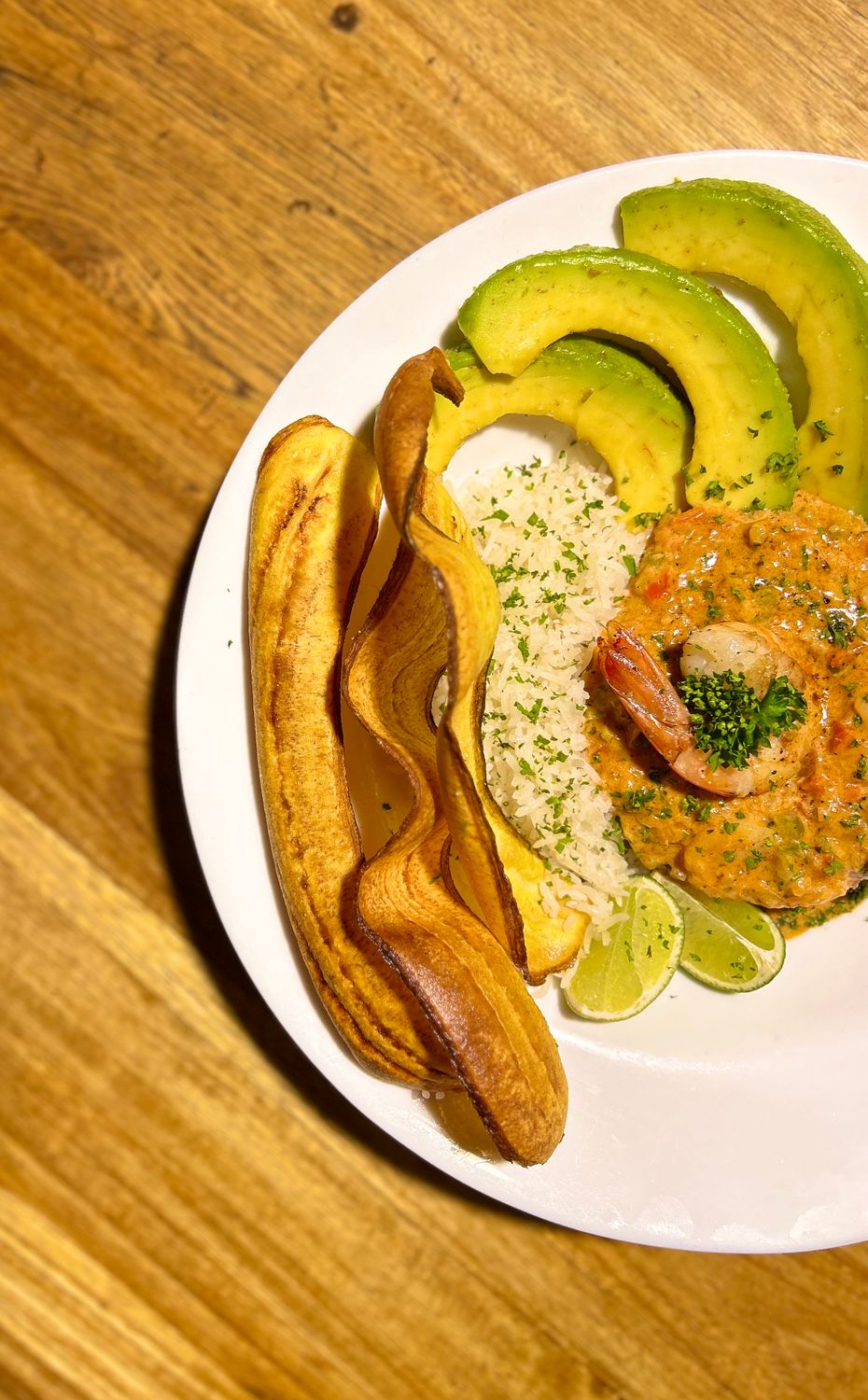
The foundation is green plantains, peeled, sliced,, and fried, then mashed with garlic and chicharrón, or crispy pork skin. Correa’s recipe, published by Smithsonian, also uses hot chicken stock, salt, and oil. Chef Juliana Gonzalez’s version, shared with AFAR, follows a similar pattern, combining fried plantains with garlic, olive oil, pork rinds and chicken stock. These recipes establish a clear starting point without suggesting that every cook makes mofongo exactly the same way.
The frying step matters because mofongo is not meant to be a completely smooth mash. Correa fries the plantains until their exteriors are crunchy,then pounds them while they are still hot. “You need to make sure that it’s not mashed all the way through, so that when you bite it you still have all that flavor and crispy texture,” he told Smithsonian. The goal is a mixture that comes together while keeping some character.
That makes the pilón more than an attractive serving prop. It is the tool used to crush and combine the ingredients, working the garlic and pork cracklings into the fried plantains. Correa describes the labor involved as “martillando comida,” or hammering food. His description captures something a menu cannot always convey: mofongo may look like a simple mound, but achieving its signature texture takes physical work and attention.
The finished mixture can be packed into a cup-shaped mold and turned onto a plate, as both Correa’s and Gonzalez’s recipes demonstrate. That familiar presentation gives it structure without requiring elaborate decoration. It also leaves room for the cook to decide what accompanies it. A molded portion served with broth offers one experience; the same plantain foundation with meat or seafood creates another, without making the base an afterthought.
Related: At This New Times Square Jazz Club, Dinner Isn’t an Afterthought
Its Puerto Rican Identity Has Deep African Roots
Mofongo’s history is inseparable from the forced movement of enslaved Africans to the Caribbean. In Smithsonian’s account, chef Juan José Cuevas explains that West Africans brought food traditions including fufu, made from starchy ingredients such as plantains, cassava, or yams that are boiled and pounded. In Puerto Rico, African techniques interacted with Taíno and Spanish foodways, helping shape the dish recognized today as mofongo. That context matters: its history reflects cultural adaptation under colonialism.
The connection does not mean mofongo and fufu are interchangeable names for the same preparation. In the Smithsonian examples, fufu’s starches are boiled before pounding, while the featured mofongo recipes start with fried green plantains. The family resemblance lies partly in pounding starchy foods. Mofongo’s fried base, garlic,, and pork cracklings give the Puerto Rican dish its distinct combination of ingredients, flavor,, and texture.
Food historian Cruz Miguel Ortíz Cuadra added another layer to that history in his book, Eating Puerto Rico: A History of Food, Culture, and Identity. As Smithsonian reports, he connected mofongo partly to Angolan methods of mashing starches and softening them with liquid and fat. He also pointed to archaeological evidence that Taíno people mashed ingredients in pilones. Spanish influence appears through additions such as sofrito, the aromatic mixture sometimes incorporated into the dish.
Those overlapping roots help explain why mofongo is both distinctly Puerto Rican and connected to a wider culinary world. Its identity does not depend on having emerged from one isolated tradition. Rather, its ingredients and preparation reflect the island’s history. Cuevas captured its immediate cultural recognition in his Smithsonian interview: “For many people in different countries, when they see mofongo, they think about Puerto Rico right away.”
The Broth and Toppings Are Part of the Experience
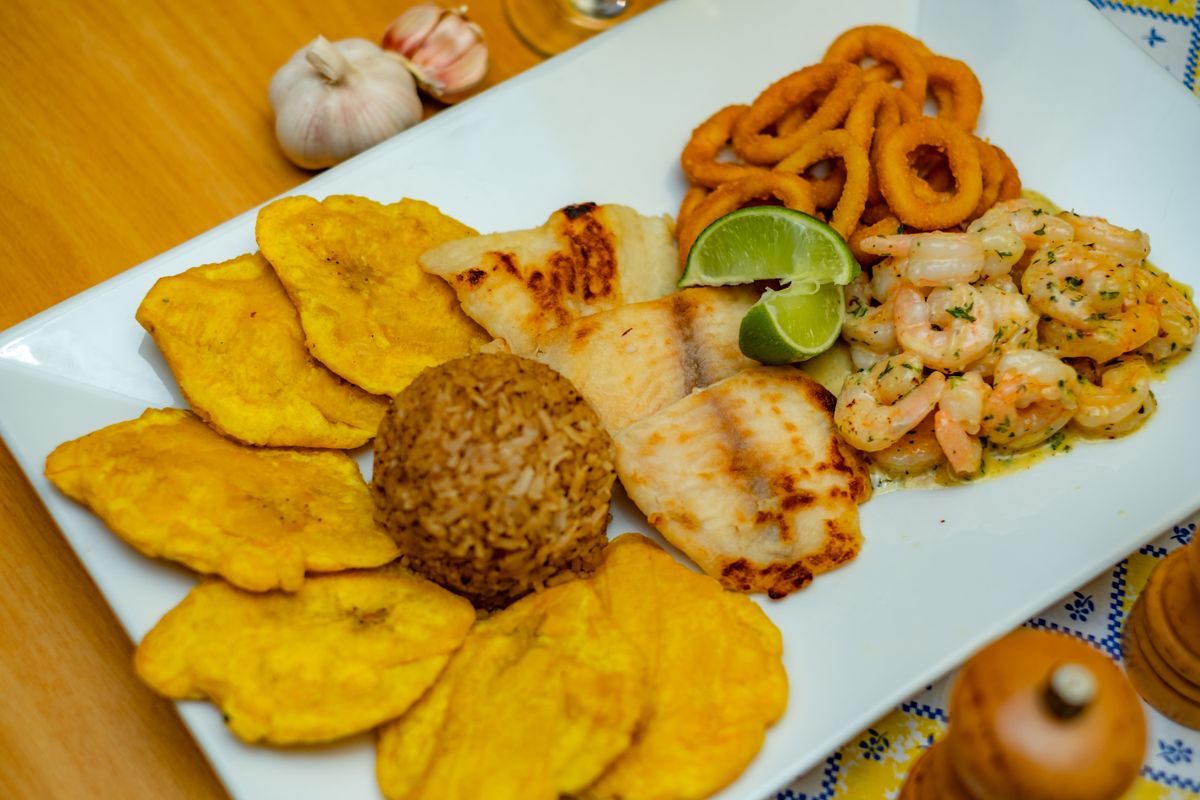
If mofongo arrives with a separate bowl of broth, that is not a mystery side dish. Cuevas recalled his grandmother serving him mofongo alongside chicken or beef broth when he was a child. “We would just cut a piece of mofongo and dip it in the broth,” he told Smithsonian. Correa also identifies chicken broth as a traditional accompaniment, and his published recipe serves the molded plantain mixture hot, with stock on the side.
There is also plenty of room for richer variations. Correa remembered fellow chef Xavier Pacheco making mofongo topped with pork belly and guarapo, or sugarcane juice. “It was sweet, salty and savory,” he told Smithsonian. Gonzalez’s restaurant version, described by AFAR, paired mofongo with pork belly and duck broth. These examples show how chefs can build on the plantain foundation without losing sight of the dish underneath the toppings.
Chef Nicole Ortiz offers another perspective in a recipe published by Proof of the Pudding. She suggests serving mofongo with Creole shrimp, fried pork, chicken or beef, and describes its flexibility as part of its appeal. But her attachment goes beyond pairing possibilities: “This is my personal favorite dish because it truly represents my Puerto Rican culture,” she writes. With fried plantains, hand-worked texture,, and personal connections, mofongo offers something more memorable than a clever way to mash dinner.