FAA Turns Gamers Into Air Traffic Controllers as Unusual Recruitment Strategy Drives Record Hiring Surge
The Federal Aviation Administration is finding new talent in an unexpected place: the gaming community. A recruitment campaign targeting gamers and highlighting their decision-making skills has helped the agency achieve record air traffic controller hiring numbers as it works to strengthen America’s aviation workforce.
For years, the FAA has faced a major challenge in maintaining enough trained air traffic controllers to manage the nation’s increasingly busy skies. Retirements, workforce shortages and the lengthy training process required for new controllers have created pressure across the aviation system.
Now, the agency is looking beyond traditional recruiting methods and reaching a new generation of candidates through an unusual message: the skills developed while playing video games may translate into valuable abilities inside an air traffic control facility.
The strategy has helped attract attention from applicants who may never have considered aviation as a career path. By connecting gaming skills with professional requirements such as focus, multitasking, and rapid decision-making, the FAA has opened the door to a wider pool of potential controllers.
Why the FAA Started Looking Toward the Gaming Community
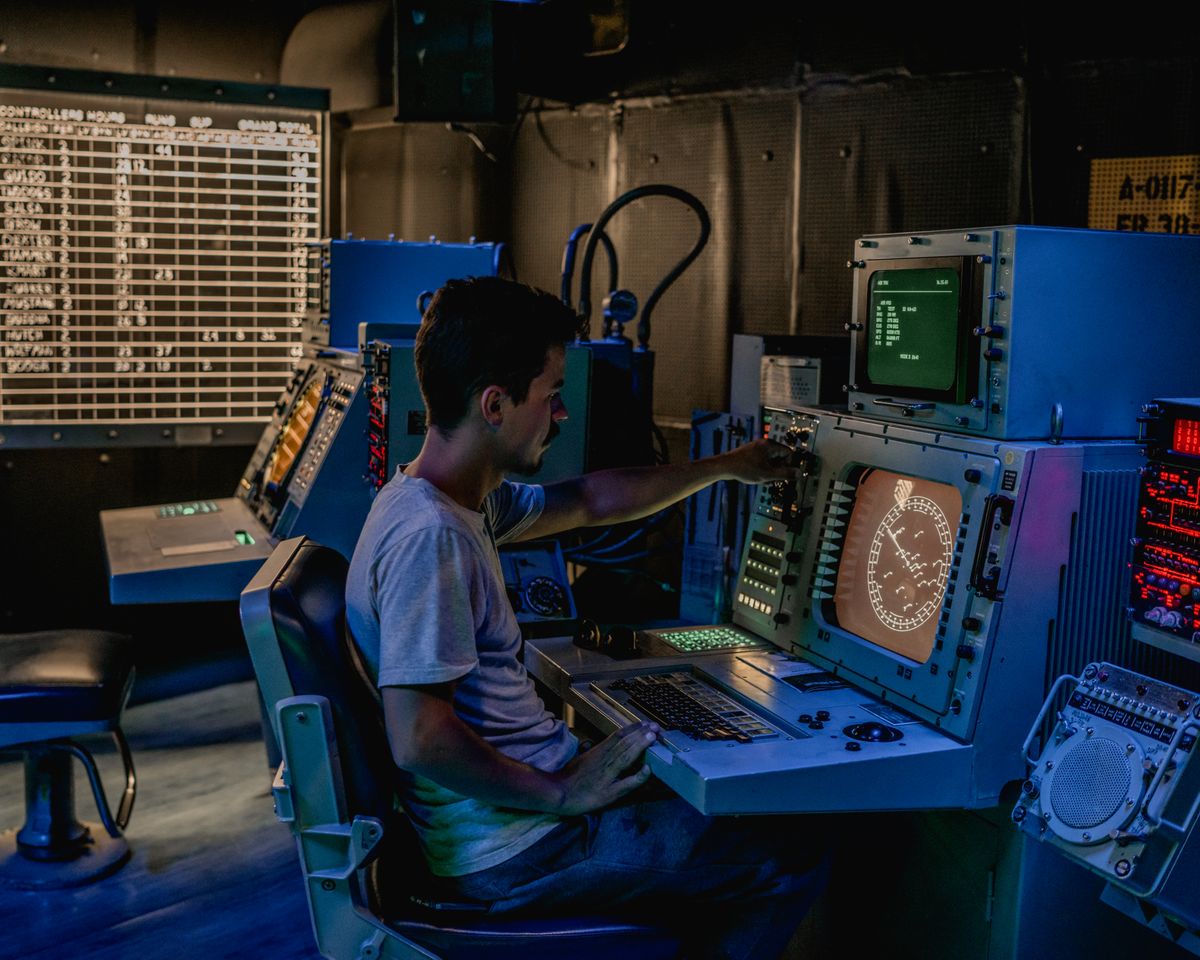
Air traffic control is one of the most demanding jobs in the transportation industry. Controllers are responsible for guiding aircraft safely through crowded airspace while monitoring multiple situations at the same time.
They must track aircraft movements, communicate with pilots, adjust for weather conditions, and make critical decisions within seconds. These responsibilities require many of the same abilities that competitive gamers often develop. Many modern video games involve managing multiple objectives, processing information quickly and reacting to changing circumstances.
The FAA’s recruitment campaign focused on those transferable skills rather than simply promoting gaming itself. The message was not that playing video games automatically qualifies someone to become a controller. Instead, the agency highlighted that certain gaming experiences can help demonstrate abilities that are useful in high-pressure environments.
Record Hiring Comes as FAA Works to Address Controller Shortages
The FAA’s increased recruitment effort comes after years of concerns about staffing levels across the country. Air traffic controllers represent a highly specialized workforce. Unlike many jobs where new employees can become productive quickly, controllers must complete extensive training before they can independently manage aircraft.
The process includes classroom instruction, simulator exercises, and supervised operational experience. Some trainees spend years developing the skills needed to handle complex air traffic situations. Because of this long preparation period, the FAA must constantly recruit new candidates to replace retiring workers and maintain enough staffing for future demand.
The agency’s record hiring numbers represent progress in rebuilding the workforce, but officials continue to emphasize that hiring is only one part of the solution. Training, certification and employee retention remain essential challenges.
Gaming Skills That Match Air Traffic Control Demands
The connection between gaming and air traffic control comes down to cognitive skills.Many gamers spend years developing abilities such as spatial awareness, pattern recognition and fast information processing.
Flight simulation games, strategy games and multiplayer competitions often require players to monitor several factors simultaneously while making decisions under pressure. Those skills resemble some of the mental demands faced by controllers.
A controller may need to monitor dozens of aircraft, identify potential conflicts and communicate instructions clearly while conditions change around them. The ability to stay calm, focused and organized can make a significant difference in these situations.
Researchers and employers in other industries have also explored how gaming experience may relate to problem-solving and decision-making abilities. The FAA’s campaign reflects a broader effort to recognize skills gained outside traditional educational and career paths.
A New Generation of Workers for America’s Aviation System
The aviation industry is facing a generational shift. Many experienced professionals who entered the workforce decades ago are approaching retirement, creating a need for younger workers to take their place.
The FAA’s outreach to gamers is part of a larger attempt to introduce aviation careers to people who may not have previously viewed themselves as candidates. For younger Americans familiar with technology, the connection between gaming and aviation can make the profession feel more accessible.
The agency has also promoted air traffic control as a stable career with strong earning potential, benefits and opportunities for advancement. Unlike many technology careers that require years of specialized education, air traffic control offers an alternative pathway through FAA training programs.
The Difficult Road From Applicant to Certified Controller
While the recruitment campaign has attracted attention, becoming an air traffic controller remains highly demanding. Applicants must meet strict eligibility requirements and pass evaluations designed to measure their ability to handle the job’s responsibilities.
Successful candidates must complete training programs that test their knowledge, communication skills and ability to make accurate decisions under pressure. The FAA cannot simply increase hiring numbers without ensuring new controllers are fully prepared.
Safety remains the agency’s highest priority. Every controller must demonstrate that they can manage complex situations before receiving full certification.
Technology Is Changing How Employers Find Talent
The FAA’s gamer recruitment campaign reflects a larger change in how organizations think about hiring. Traditional hiring often focuses on degrees, previous job titles, and conventional career paths.
However, many employers are increasingly looking at skills that people develop through different experiences. Technology has changed the way people learn and solve problems, creating new ways to identify potential talent.
Gaming communities represent millions of people who regularly practice concentration, teamwork, and strategic thinking. For industries facing workforce shortages, those skills may represent an overlooked resource.
Why the FAA’s Approach Could Influence Future Hiring
The success of the FAA’s campaign could encourage other industries to rethink recruitment. As technology becomes more integrated into everyday life, employers may continue searching for connections between digital experiences and workplace abilities.
The gaming community, once viewed mainly as entertainment-focused, is increasingly being recognized as a place where people develop complex skills. For aviation, the approach provides a new way to reach potential employees while addressing one of the industry’s most important workforce challenges.
The FAA still faces the difficult task of training enough controllers to meet future demand, but the recruitment campaign demonstrates that talent can come from unexpected places.
The Future of Air Traffic Control May Start With a Game Controller
The FAA’s decision to recruit gamers shows how traditional career paths are changing. The future of aviation will depend not only on technology and aircraft innovation but also on finding skilled people capable of managing increasingly complex systems.
By reaching out to gamers, the FAA has started a new conversation about what qualifies someone for a critical national role. The campaign does not replace the rigorous training required to become an air traffic controller. Instead, it expands the search for people who may already possess some of the mental skills needed for success.
As America’s skies become busier and aviation demands continue growing, the next generation of air traffic controllers may come from an unexpected background: the millions of people who learned focus, strategy and quick decision-making through gaming.