These 10 U.S. Cities Ranked Worst for Retirement in 2025, and the Numbers Tell a Tough Story
Retirement is supposed to feel like freedom, but in some cities, the numbers suggest it may feel more like a monthly squeeze. WalletHub’s retirement study compared 182 U.S. cities across 45 metrics, and the 10 cities at the bottom all showed serious weaknesses in at least 2 major areas, from affordability to health care to everyday activities.
The ranking matters because retirees often live on a fixed income, and even a 5% increase in rent, insurance, groceries, or medical costs can quickly strain a household budget. In this list, 6 of the 10 lowest-ranked cities are in California, showing how cost pressure, limited retiree activities, and weak health care scores can hurt even places with warm weather and family appeal.
Bridgeport, Connecticut
Bridgeport ranked No. 173 out of 182 cities, with a total retirement score of 39.15. According to the 2025 WalletHub report, the city’s biggest drawback was affordability, ranking 175th, suggesting retirees may struggle with high costs before accounting for health care, transportation, and daily living expenses.
The city did have one positive aspect, ranking No. 11 for health care, which is strong compared with many cities near the bottom. But that advantage was dragged down by a No. 160 rank for activities and a No. 148 rank for quality of life, making Bridgeport a city where medical access may be solid, but the overall retirement lifestyle may feel expensive and limited.
Salem, Oregon
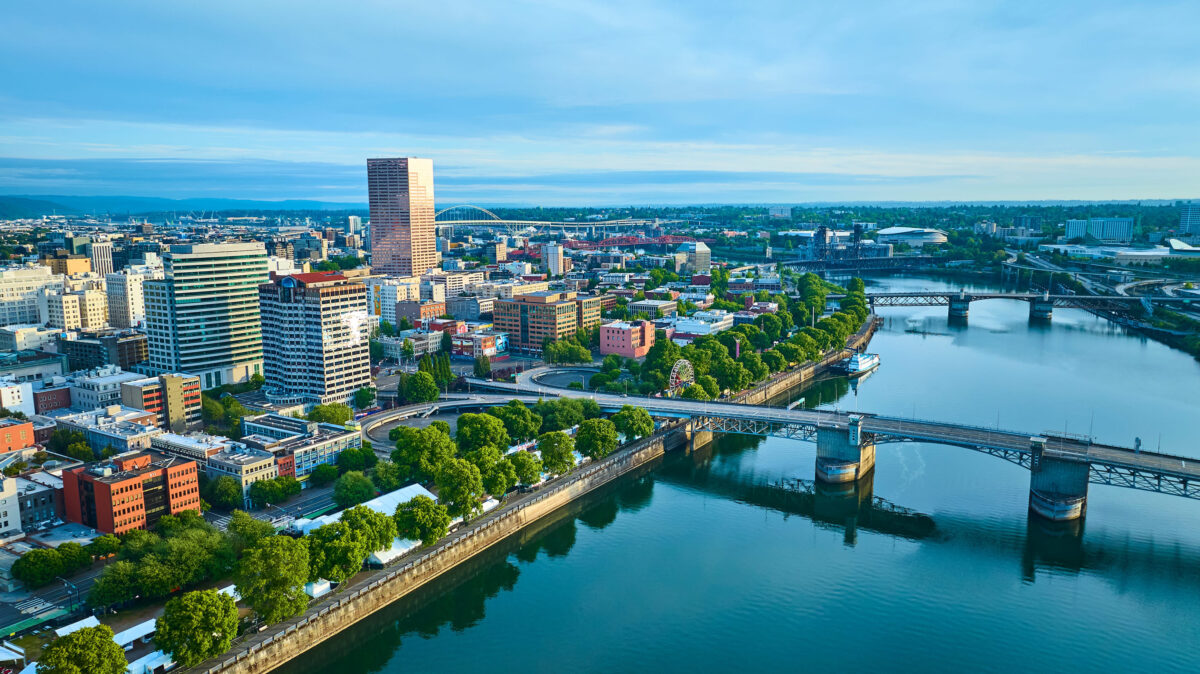
Salem ranked No. 174 overall, with a total score of 38.85. The city’s weakest area was activities, where it ranked No. 174, a problem for retirees who want affordable recreation, senior programs, public spaces, and community events after leaving full-time work.
According to a WalletHub report, Salem, Oregon, was not ranked among the top 50 best places to retire in 2025. 127 was not the worst in the bottom 10; the mix of weaker health care, limited activities, and a No. 129 quality-of-life rank pushed Salem into the danger zone for retirees seeking comfort and convenience.
Pearl City,
Hawaii ranked No. 175 overall with a total score of 38.81, primarily due to affordability challenges. 180 for affordability, making it one of the hardest places in the study for retirees trying to stretch Social Security, pensions, or retirement savings.
According to Kiplinger, Hawaii ranks 21st for quality of life, which helps explain why some retirees may still consider it appealing, but high costs remain a major concern. 164 for activities and No. 104 for health care, creating a retirement tradeoff that may feel too expensive for many fixed-income households.
Fontana, California
Fontana ranked No. 176 overall, with a total score of 38.42. According to the WalletHub report, Fontana’s activity ranking was No. 172, suggesting that retirees there may have access to fewer affordable or senior-friendly activities than in most other cities surveyed. Health care also proved challenging for retirees in the area. 147 in that category.
Fresno, California.
According to WalletHub’s 2025 report, Fresno, California, is not listed among the top 150 cities for retirement, suggesting it does not stand out for affordability or quality of life compared to other cities. 177 overall, with a total score of 38.33. According to a 2025 WalletHub report, the city received its lowest score for activities, ranking 175th, which could be a significant drawback for retirees looking for accessible social events, affordable recreation, and opportunities to stay active. 144 for both quality of life and health care, which creates a 2 sided challenge. Fresno may appeal to some Californians because it is less expensive than coastal cities, but with an affordability rank of No. 125 and weak scores in multiple retirement categories, the ranking suggests retirees should look closely before settling there.
Newark, New Jersey
Newark ranked No. 178 overall, with a total score of 37.29. The city’s biggest retirement concern was quality of life, where it ranked No. 169, one of the weakest marks among the 10 lowest-ranked cities.
Affordability also hurt Newark, with the city ranked No. 156 in that category. Its activities rank of No. 81 was actually stronger than that of many cities on this list, but a No. 134 health care rank and a poor quality-of-life score made the overall retirement picture less attractive for older adults seeking comfort, safety, and financial breathing room.
Bakersfield, California
Bakersfield ranked No. 179 overall, with a total score of 37.11. Its activity ranking of No. 173 was one of the biggest reasons it fell so low, suggesting that retirees may find fewer strong lifestyle options than in many other cities.
Health care was another major issue, with Bakersfield ranked No. 169 in that category. According to the 2025 WalletHub report, while Rancho Cucamonga, California, ranked 113th for affordability, its lower scores in health care and activities may be more significant concerns for retirees who value reliable access to medical care and opportunities for a vibrant daily life.
Rancho Cucamonga
Rancho Cucamonga ranked No. 180 overall, with a total score of 36.53. According to WalletHub, the city received a particularly low ranking for its activities, coming in at No. 176, which may be a drawback for retirees interested in community events, senior programs, cultural experiences, and affordable recreational opportunities. The report also noted that affordability was an issue, with the city ranking poorly in that category. 163 in that category. While Rancho Cucamonga ranked No. 90 for quality of life and No. 128 for health care, those mid-level scores were not strong enough to offset the cost pressure and limited activities that pulled it into the bottom 3.
Stockton, California,
Stockton, California, ranked 181st overall among the best places to retire, with a total score of 35.35 and its lowest ranking in the activities category. 181 out of 182 cities, almost at the very bottom of the entire national list.
According to a WalletHub report, Stockton ranked 157th for health care and 123rd for quality of life, highlighting challenges for retirees seeking reliable access to services and a comfortable lifestyle. 133 was not the lowest in the country, but when paired with poor activity options and weak health care, the city becomes a tough sell for retirement.
San Bernardino, California

San Bernardino ranked No. 182 out of 182 cities, making it the lowest-ranked retirement city in the study. According to WalletHub’s 2025 report on the best and worst places to retire, the city received a total score of 35.23, which contributed to its ranking at the very bottom. 171 for quality of life and No. 174 for health care, which are 2 of the most important categories for older adults.
Its activities rank was No. 157, and its affordability rank was No. 128, meaning San Bernardino did not perform strongly enough in any of the 4 major areas to avoid last place.
What These Rankings Really Say About Retirement
The 10 worst cities to retire in 2025 are not all bad places to live, and many residents may stay because of family ties, homeownership, culture, or longstanding personal history. But the numbers show that retirement comfort depends on more than sunshine, scenery, or familiarity.
For retirees, the biggest risks usually come from 4 areas: high costs, poor health care, limited activities, and a poor quality of life. When a city struggles in 2 or 3 of those categories at the same time, retirement can become harder, more expensive, and less enjoyable than expected.
The biggest takeaway is simple: before choosing where to retire, Americans should compare at least 5 factors in any city: housing costs, taxes, health care access, transportation costs, and senior-friendly activities. A city that looks affordable on paper can still become a poor retirement choice if the health care is weak, the lifestyle is thin, or the quality of life does not support aging well.