10 U.S. Cities Tourists Keep Complaining About, And Why the Trip Can Go Wrong Fast
America is still traveling hard in 2026, but not every famous city gives visitors the easy vacation they imagined. U.S. travel spending is projected to reach about $1.37 trillion this year; domestic leisure spending is forecast at nearly $909 billion, and domestic travel accounts for roughly 87% of total travel spending. This means millions of Americans are paying more attention to whether a city is actually worth the stress.
That is where this list gets interesting, because the “worst” cities for tourists are not always bad cities. They are often great places with 1 big problem: the vacation looks smoother online than it feels on the ground, especially when traffic, heat, crowds, safety worries, resort fees, and high hotel prices collide in the same weekend.
Los Angeles, California: The City Where 20 Minutes Can Become 90
Los Angeles may be one of the most dreamed-about cities in America, but it can also become one of the most frustrating for first-time tourists. The city spans more than 500 square miles, and a visitor trying to see Hollywood, Santa Monica, Beverly Hills, Downtown Los Angeles, and Anaheim in 1 trip may spend more time in traffic than at the attractions themselves.
The biggest issue is the expectation gap. Many tourists arrive expecting movie magic in 3 or 4 days, but Los Angeles works better as 5 or 6 smaller cities stitched together by freeways. Add parking fees, rental car costs, long rideshare waits, and the reality that “nearby” can still mean 45 minutes away, and the glamour can wear off fast.
The smarter angle is simple: Los Angeles is not a bad tourist city; it is a bad city for bad planning. Pick 1 zone per day, avoid overloading the schedule, and do not build the whole vacation around the Hollywood Walk of Fame if beaches, food neighborhoods, museums, studio tours, and canyon views are the real prize.
Las Vegas, Nevada: The Cheap Flight That Can Turn Into a $700 Weekend
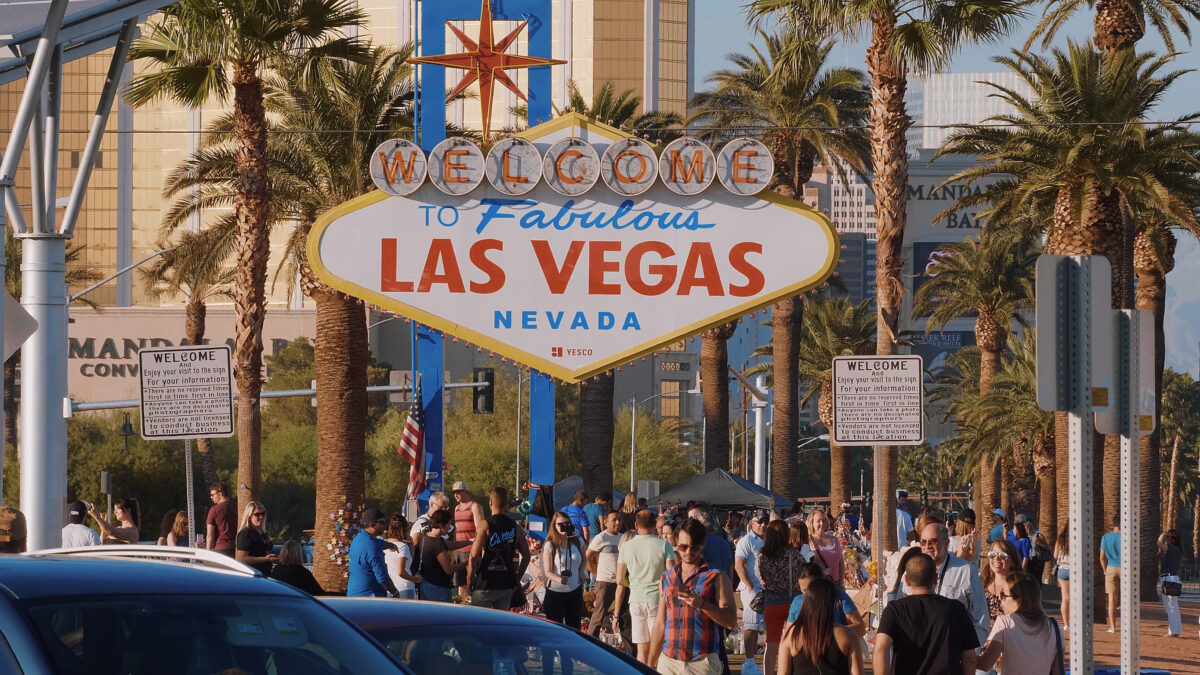
Las Vegas is built to look affordable at first glance, with flashy hotel deals, cheap flights, and 24-hour entertainment. The catch is that many visitors do not calculate the full cost until resort fees, surge pricing, drinks, shows, club covers, ride shares, and restaurant bills stack up across 2 or 3 nights.
The Strip is also more exhausting than it looks. A casino that appears “next door” can be a 20-minute walk through heat, crowds, pedestrian bridges, gaming floors, and shopping corridors. For tourists expecting a quick, simple city break, Vegas can feel like a giant maze designed to keep every dollar moving.
Still, Las Vegas works beautifully for the right traveler. If the plan is 2 nights, 1 major show, 1 great dinner, and a clear spending limit, the city can be unforgettable. If the plan is “we will figure it out when we get there,” the final bill may become the most memorable part of the trip.
Orlando, Florida: The Family Dream That Requires a Spreadsheet
Orlando is one of America’s top vacation destinations, but it is also one of the easiest places to overspend, overplan, and overheat. A family of 4 can quickly run into thousands of dollars once theme park tickets, hotel nights, meals, souvenirs, parking, line-skipping options, and airport transfers are factored in.
The problem is not a lack of fun. The problem is that Orlando turns fun into logistics. A 1-week trip can require park reservations, app timing, dining alerts, weather tracking, stroller strategy, ride priorities, and backup plans for thunderstorms or tired kids.
Orlando is best for tourists who accept that the magic comes with management. Build in 1 rest day, plan fewer “must-do” attractions, and avoid treating every park day like a 14-hour endurance test. The happiest Orlando visitors usually do less, not more.
Miami and Miami Beach, Florida: Sunshine With a Serious Price Tag
Miami sells color, beaches, nightlife, music, Cuban food, design, and warm weather, but it can disappoint tourists who expect a simple beach bargain. A 3-day trip to Miami can quickly become expensive when hotels, beach clubs, parking, cocktails, restaurant service charges, and rideshare fares start piling up.
Tourists also confuse Miami with Miami Beach, and that mistake can shape the entire trip. South Beach may be the postcard, but mainland neighborhoods like Wynwood, Little Havana, Brickell, Coconut Grove, and the Design District offer an entirely different city. Pick the wrong base, and a 15-minute dream on the map can turn into a 45-minute ride in traffic.
Miami is not the worst city for tourists, but it is one of the worst cities for vague expectations. If the goal is nightlife, stay close to the action. If the goal is culture, cross the bridge. If the goal is quiet beach relaxation, there may be 10 better Florida options with fewer surprises.
San Francisco, California: Stunning Views, High Costs, And A Reality Check
San Francisco remains one of the most beautiful cities in the U.S., with the Golden Gate Bridge, cable cars, bay views, Victorian homes, ferries, parks, and world-class food packed into about 47 square miles. That compact beauty is exactly why tourists keep coming, but it is also why every negative detail feels hard to ignore.
The city’s biggest challenge is contrast. A visitor can see a breathtaking view in 1 hour and then feel uneasy about car break-in warnings, visible street disorder, steep hotel rates, or parking prices in the next. For travelers who expected a polished postcard, that emotional whiplash can define the trip.
San Francisco is still worth visiting, but the rules matter. Do not leave luggage in a parked car, avoid treating a rental car as a convenience inside the city, and focus on walkable areas like North Beach, Chinatown, the Ferry Building, Golden Gate Park, and the Presidio. With the right plan, 3 days can feel magical instead of stressful.
New Orleans, Louisiana: More Than Bourbon Street, But Tourists Often Miss That
New Orleans is one of America’s most culturally rich cities, but it often suffers because tourists reduce it to 1 street. Bourbon Street may be famous, but it can also be loud, crowded, sticky, chaotic, and overwhelming, especially for visitors who do not want their entire vacation built around drinking.
New Orleans has food, jazz, brass bands, cemeteries, streetcars, Creole history, architecture, festivals, and neighborhoods with deep local identity. New Orleans has heat, nightlife crowds, safety concerns, and blocks where tourists need to be extra careful, especially late at night.
This is a city where the trip improves once the visitor gets specific. Spend 1 night around Bourbon Street if curiosity wins, but give the other 2 or 3 days to Frenchmen Street, the Garden District, museums, guided history tours, and local restaurants. New Orleans rewards curious travelers and punishes careless ones.
Nashville, Tennessee: When the Party Becomes the Whole Brand
Nashville has real music history, real songwriting culture, and real Southern flavor, but many tourists now meet the city through bachelorette groups, party buses, rooftop bars, pedal taverns, and packed Lower Broadway sidewalks. That version can be fun for 1 night, but it can feel thin across a full weekend.
The frustration comes from crowd identity. Visitors expecting 3 days of intimate music discovery may instead find a downtown scene that feels loud, commercial, and built for group drinking. Hotel prices and restaurant wait times can also climb quickly during major concerts, sports weekends, and festival periods.
The better Nashville plan is to separate music from noise. Visit the Country Music Hall of Fame, catch 1 songwriter round, explore neighborhoods beyond Broadway, and treat the party strip as 1 chapter instead of the whole book. Nashville is more rewarding when tourists stop chasing the loudest version of it.
Dallas, Texas: Big City Energy, But Not An Easy Tourist Playground
Dallas is a major U.S. metro with sports, shopping, museums, restaurants, business travel, and a fast-growing regional economy. The issue is that many classic tourist attractions are spread out, and the city does not always offer the tight, walkable vacation layout that visitors expect from places like Boston, Chicago, or Washington, D.C.
For travelers without a car, Dallas can feel scattered. A weekend plan might include 1 museum district, 1 barbecue stop, 1 shopping area, 1 sports venue, and 1 nightlife pocket, but those pieces may not sit neatly side by side. That makes the trip feel less like wandering and more like commuting.
Dallas works best when tourists arrive with a clear purpose. Come for 1 Cowboys game, 1 Mavericks game, 1 food weekend, 1 shopping trip, or 1 museum-focused itinerary. Come expecting a compact postcard city, and the experience can feel unfinished.
Phoenix, Arizona: A Winter Escape That Can Become a Summer Warning
Phoenix can be excellent for winter travelers, golfers, spa lovers, resort visitors, and desert road trippers, but summer changes the equation fast. When temperatures push into triple digits, a casual walking vacation becomes unrealistic, and even short outdoor plans can require water, shade, early starts, and serious caution.
The city is also huge and spread out, which means the hotel location matters more than many tourists realize. Scottsdale, Tempe, Downtown Phoenix, Paradise Valley, and hiking areas can feel like 5 different vacations, and choosing the wrong base can turn simple plans into long drives.
Phoenix is not a bad tourist city, but it is a seasonal city. Visit in cooler months, hike before 8 a.m., build the trip around resorts or desert scenery, and avoid pretending that July in the Valley feels like a normal city break. The desert is beautiful, but it does not negotiate.
Atlantic City, New Jersey: A Boardwalk Bet That Does Not Always Pay Off
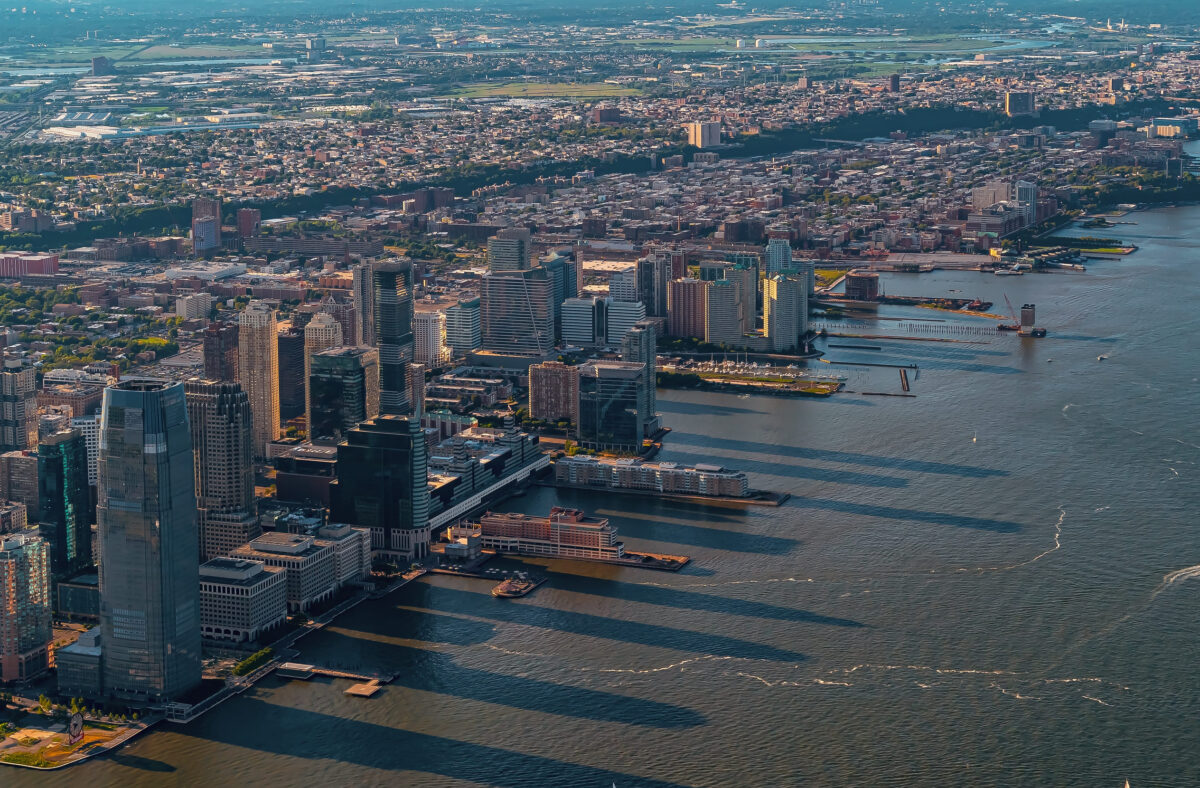
Atlantic City still has casinos, ocean air, entertainment, history, and a famous boardwalk, but tourists who expect a polished beach resort can leave disappointed. The city works best as a 1- or 2-night casino-and-boardwalk trip, not always as a full family beach vacation.
The issue is identity. Las Vegas does spectacle better, smaller Jersey Shore towns often do charm better, and many beach towns feel more relaxed for families. Atlantic City sits between those worlds, which makes the experience depend heavily on what the visitor came to do.
The best way to enjoy Atlantic City is to keep expectations tight. Go for a show, a casino weekend, a boardwalk walk, or a quick coastal escape. If the goal is 5 days of peaceful beach beauty, there are stronger choices within a few hours.
The Bigger Travel Lesson: Bad Trips Usually Start Before Takeoff
The most frustrating U.S. tourist cities share 6 warning signs: high costs, heavy traffic, weak walkability, extreme weather, crowd pressure, and an expectation gap. In 2026, with nearly 45 million Americans projected to travel during Memorial Day weekend alone, and about 39.1 million expected to drive, those friction points matter more than ever.
Crime fears also need context. FBI data showed national violent crime fell an estimated 4.5% in 2024, with murder down an estimated 14.9%, and early federal data pointed to another violent crime decline in 2025. That does not mean every tourist area feels safe, but it does mean travelers should separate national crime trends from block-by-block visitor experience.
The real takeaway is simple: the “worst” tourist city is often the city that does not match the traveler. Los Angeles needs time and wheels; Las Vegas needs a budget cap; Orlando needs planning; Miami needs the right neighborhood; San Francisco needs street smarts; New Orleans needs curiosity; Nashville needs balance; Dallas needs a purpose; Phoenix needs season awareness; and Atlantic City needs realistic expectations.
America has more than 19,000 cities, towns, and villages, so no traveler has to force the wrong trip. The smarter move is to choose the city that fits the budget, season, patience level, walking style, family needs, and appetite for chaos. A famous destination can still be the wrong destination, and that single truth can save a vacation before the first bag is packed.