Utah’s measles outbreak exposes the vaccine problem America keeps avoiding
The most unsettling detail in Utah’s measles outbreak is not only the number of sick people.
It is how long the virus has kept finding room to spread.
A child misses school. A parent gets an exposure alert. A clinic tells families to call before coming in. A community argues over vaccines again, but the virus does not wait for anyone to finish arguing.
Utah has now reported hundreds of measles cases in its current outbreak, including hundreds in 2026 alone. For a disease the United States declared eliminated in 2000, the numbers land with uncomfortable force.
Measles was supposed to be one of America’s public-health success stories. A highly contagious disease has been pushed back by routine childhood vaccination. A threat most families no longer expected to meet in school hallways, waiting rooms, grocery stores, or church gatherings.
Yet here it is again.
The outbreak has brought back a question many communities would rather avoid: when does a private vaccine decision become a public risk?
The outbreak found room to keep Moving
Measles is not a mysterious disease. Doctors know how it spreads. Health officials know how to prevent it. Parents have heard about the MMR vaccine for decades.
That is what makes Utah’s outbreak so hard to ignore.
This was not an unknown virus arriving without warning. This was a vaccine-preventable disease, finding enough unprotected people to keep circulating.
Supporters of vaccination may see Utah as a warning about what happens when community protection drops. Vaccine skeptics may argue that parents should still have the right to make their own medical decisions. Both views now sit inside the same public-health reality.
Measles only needs gaps.
And Utah had gaps.
The vaccination gap now sits at the center of the outbreak
According to Utah health officials, a notable share of in-person kindergarten students in the 2025/2026 school year had an exemption for the MMR vaccine or were missing documentation showing they were vaccinated.
That number is more than a school statistic. It helps explain why measles can move through a community.
Public health experts often point to a 95% vaccination target to help prevent measles outbreaks. When communities fall below that protection line, the disease gets more room to spread.
Some parents may say vaccine decisions belong inside the family. Others may say school safety depends on strong vaccination coverage. The difficult question is what happens when enough families simultaneously delay, opt out, or fail to provide records.
The risk does not stay with one household.
It can reach babies too young to be fully vaccinated, pregnant women, cancer patients, children with weak immune systems, and families who follow every recommendation but still share the same air.
Measles turns ordinary places into exposure sites
A school hallway. A sports event. A doctor’s office. A store aisle. A church gathering. A child care center.
That is how ordinary a measles exposure can look.
Measles spreads through the air when an infected person coughs or sneezes. Health officials warn that the virus can remain in the air even after the infected person has left.
That means exposure does not always come with a dramatic warning sign.
You may never know the person who infected you. You may never speak to them. You may simply walk into the wrong room at the wrong time.
That is why health departments move quickly when measles appears. By the time one case is confirmed, the next round of exposure may already have happened.
The “just a rash” argument meets a real outbreak
Some people still talk about measles as if it is a minor childhood illness, something unpleasant but not serious.
A real outbreak complicates that idea.
Measles can bring high fever, cough, red eyes, rash, ear infections, diarrhea, and complications that can become dangerous. In some cases, it can lead to pneumonia, brain swelling, blindness, or death.
Most people recover. That is true.
But public health is not built only around the healthiest child in the classroom. It is also built around the newborn, the chemotherapy patient, the pregnant mother, and the child whose immune system cannot handle what others may survive.
The vaccine debate often focuses on individual choice. Measles keeps pulling the conversation back to shared risk.
Schools could become the next pressure point
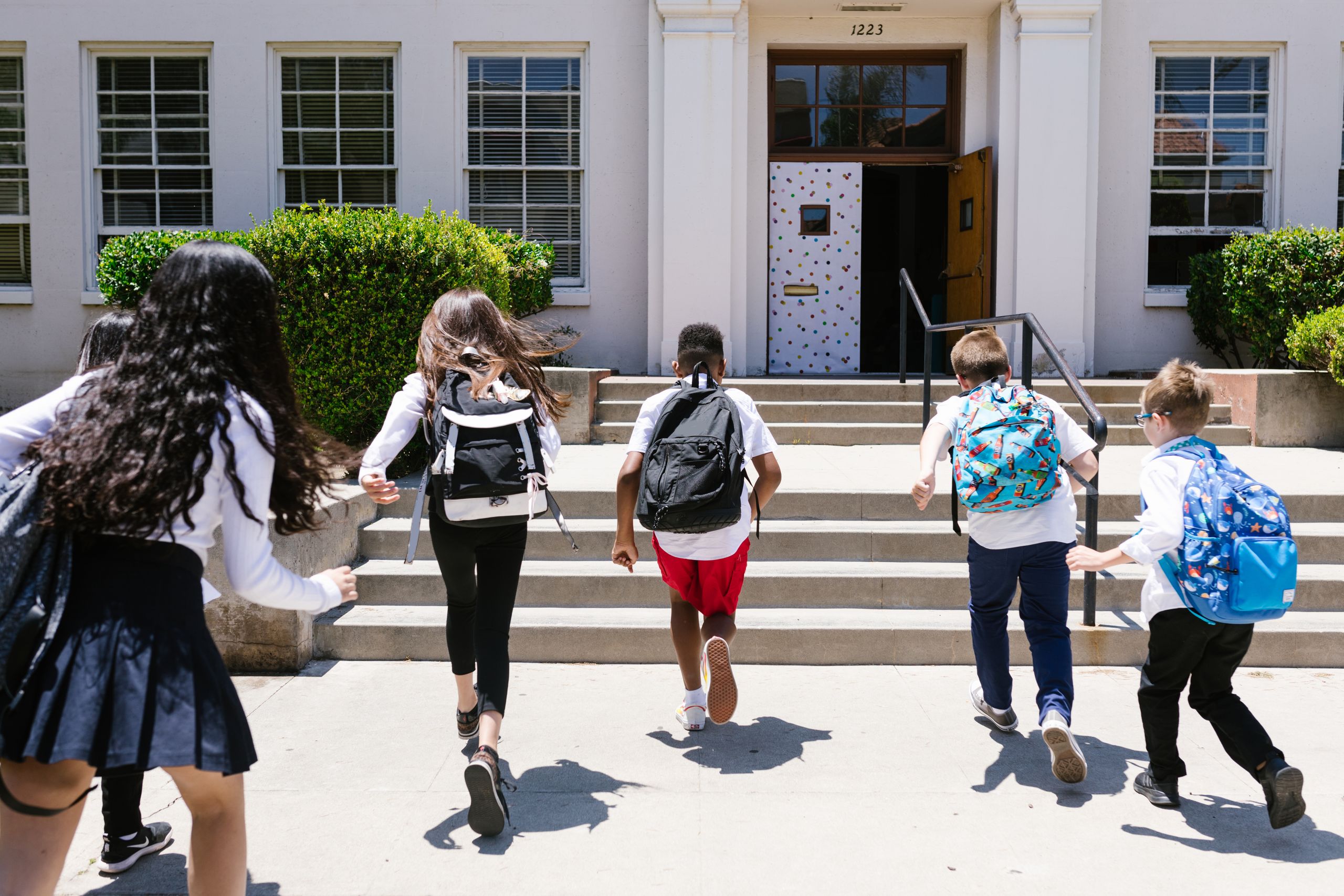
The next school year now hangs over the outbreak.
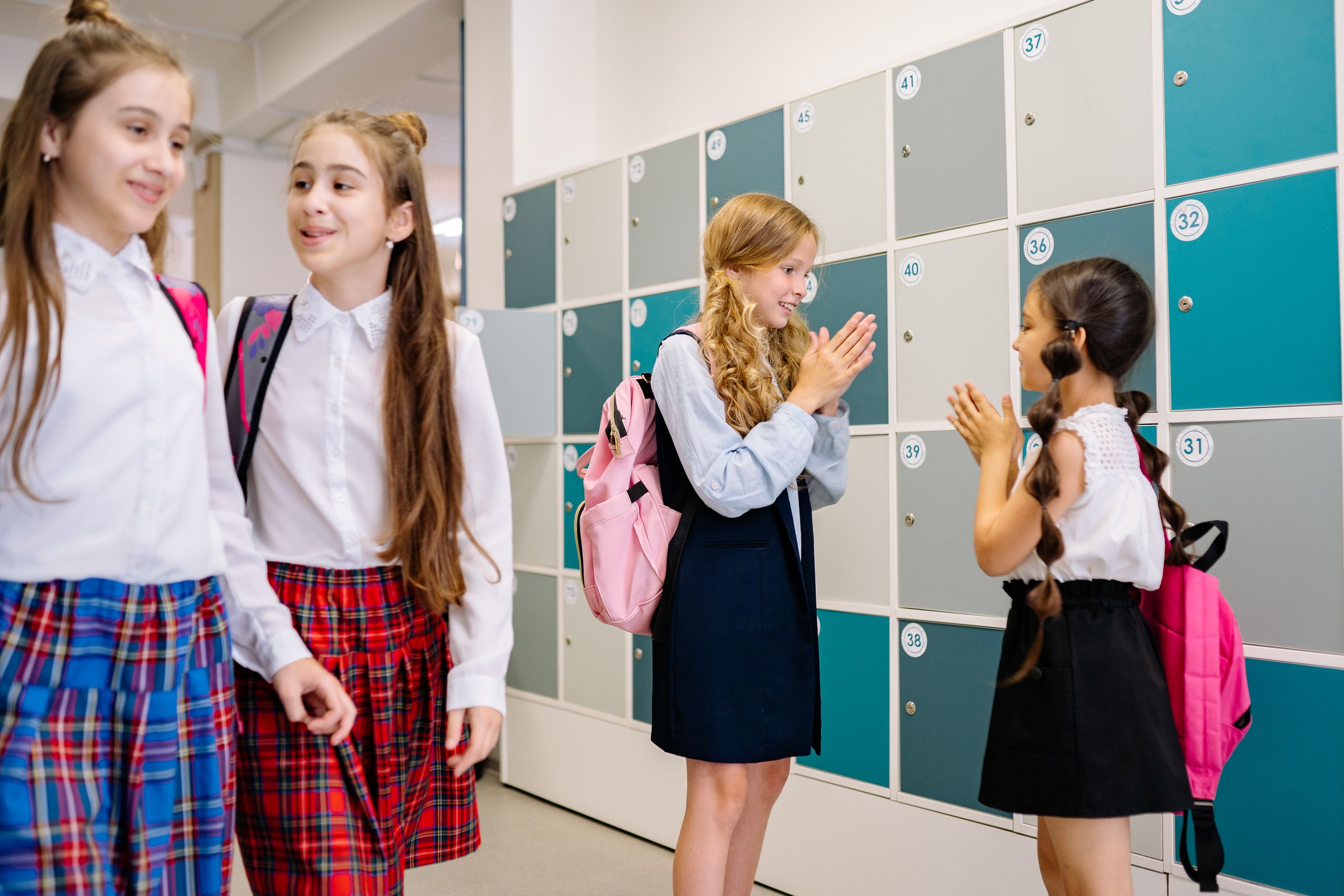
When classrooms fill again, Utah’s measles problem could become harder to manage. Schools bring together children from different homes, neighborhoods, churches, sports teams, and social circles.
One infection can move through a school, then into homes, then into clinics, then into another county.
That is how contagious diseases move through connected communities.
If unvaccinated students are excluded during exposures, some parents may call it necessary protection. Others may see it as unfair or heavy-handed. School leaders could find themselves stuck between angry families and public-health rules.
The virus will not pause for that debate.
The outbreak puts personal choice and public risk in the same room
America is built on personal freedom. That is one reason vaccine debates become emotional so quickly.
Parents do not like being told what to do. Government health agencies do not enjoy being distrusted. Schools do not want to become enforcement arms. Doctors do not want to spend every outbreak fighting rumors before they can fight the disease.
But measles brings all of those tensions together.
A parent’s decision may begin privately at a kitchen table. If a child becomes exposed, the consequences may affect classmates, teachers, nurses, emergency room staff, grandparents, infants, and immunocompromised individuals.
That does not mean every parent with questions is careless. It does not mean every concern is dishonest.
It does mean measles has a way of turning private decisions into public consequences.
The national numbers make Utah look less isolated
Utah is not the only place facing the return of measles.
The United States has reported more than 2,000 confirmed measles cases in 2026. That number places Utah inside a broader national concern.
The country declared measles eliminated in 2000, a major public-health milestone made possible by widespread vaccination. But elimination never meant measles could not return. It meant the country had stopped the spread from continuing within its borders.
That protection depends on high vaccination coverage and fast outbreak response.
Now both are being tested.
Utah is not just a local health story. It is one of the clearest examples of what can happen when vaccine coverage, public trust, and community protection weaken simultaneously.
The vaccine debate is no longer only medical
The measles vaccine conversation is no longer just about science.
It is about trust. Politics. Parenting. Religion. Social media. Fear. Past frustration with institutions. Anger left over from the pandemic. Suspicion that has not gone away.
That makes the outbreak harder to control.
A doctor can explain the vaccine. A health department can post numbers. A school can send letters. But if a family no longer trusts the people delivering the message, facts may not land with the force officials expect.
This is the deeper challenge.
Measles can be prevented with vaccination, but vaccination campaigns depend on trust. When that trust breaks, even a well-known disease can start moving again.
The question left behind may matter more than the outbreak itself
Utah may eventually slow this outbreak. The case numbers may drop. The headlines may fade. Parents may stop checking exposure alerts. Schools may reopen with the usual chaos of backpacks, buses, forms, and first-day photos.
But the harder question will still be sitting there.
If vaccination rates keep slipping, if trust keeps breaking, and if preventable diseases keep finding pockets of unprotected people, Utah may not look like a strange exception. It may look like a preview.
The numbers may fade from the headlines, but the question they leave behind is harder to dismiss.
Not because every parent is careless. Not because every question about vaccines is bad. But because measles does not care how sincere anyone’s opinion is.
It only cares whether enough people are protected.