10 Governments That Waged War Against Their Own People
History is marked by battles between nations. But some of the most brutal wars haven’t been fought across borders; they’ve been waged inside them.
These are conflicts where governments turned their armies, police, and power against the very citizens they were meant to protect. Motivated by fear, ideology, greed, or desperation, these states unleashed violence on their own people with devastating consequences. The scars remain , in memory, in landscape, and in global politics.
Here are ten of the most harrowing examples.
Nazi Germany, Genocide in the Heart of Europe
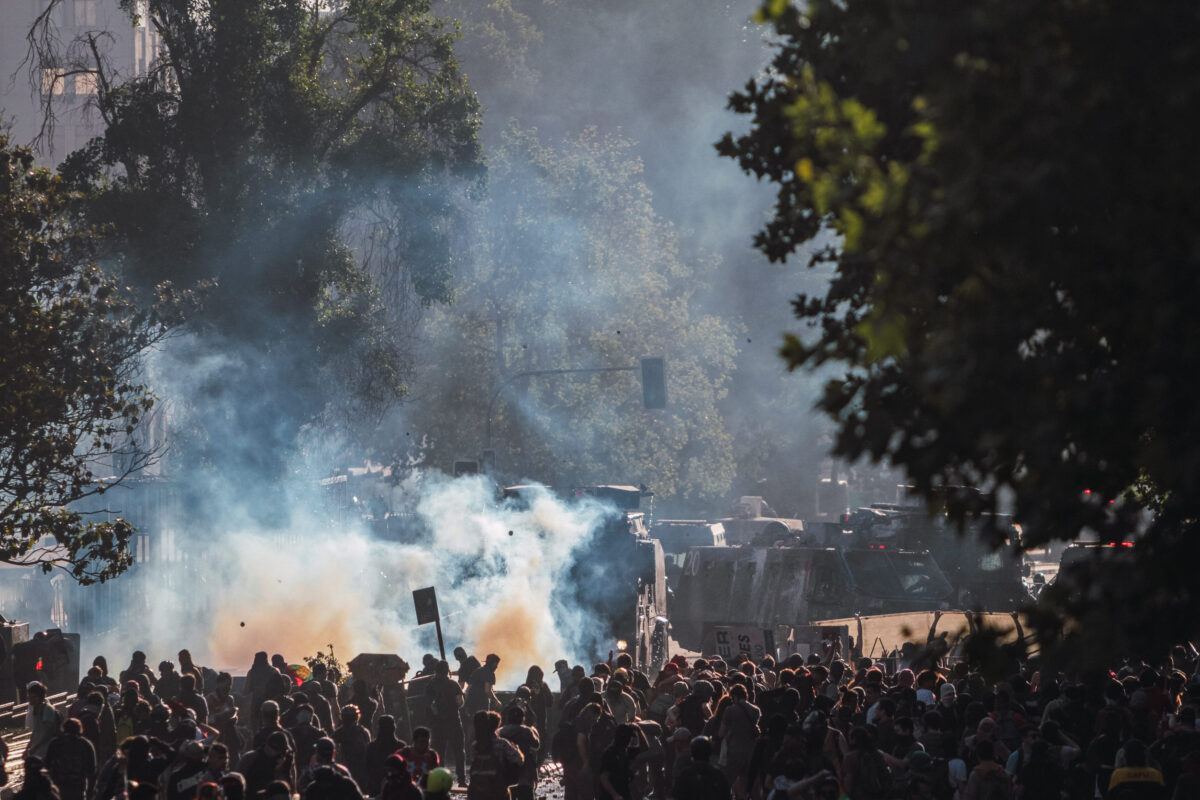
When Adolf Hitler and the National Socialist German Workers’ Party seized power in 1933, they didn’t just build a police state; they engineered one of the worst campaigns of internal violence in human history. Under the guise of racial purity, the Nazi regime systematically targeted Jews, Roma, disabled people, political dissidents, LGBTQ+ individuals, and others.
The cruelty was industrial: ghettos, concentration camps, mass shootings, and finally, death camps. By the end of World War II, up to six million Jews had been murdered in the Holocaust, along with millions of others deemed “undesirable.” The German government weaponized bureaucracy to kill its own people , a chilling testament to where ideology unrestrained by conscience can lead.
Soviet Union under Stalin, Purges and Mass Famine

Under Joseph Stalin’s rule from the mid‑1920s to the early 1950s, the Soviet Union became a crucible of paranoia and terror. Stalin’s consolidation of power was built on purges , systematic campaigns to eliminate perceived enemies. Communists who questioned him, military officers who were too popular, and ordinary civilians accused of vague “crimes” were imprisoned, executed, or sent to Gulag labor camps.
But the violence wasn’t limited to political opponents. Forced collectivization of agriculture in the 1930s triggered widespread famine, especially in Ukraine, where millions died of starvation during the Holodomor. In total, Stalin’s policies are estimated to have resulted in the deaths of millions of Soviet citizens.
People’s Republic of China: The Cultural Revolution
When Mao Zedong launched the Cultural Revolution in 1966, his stated goal was to cleanse the Communist Party of “revisionist” influence and reignite revolutionary fervor. What followed was a decade of chaos and cruelty. Youth militia known as Red Guards attacked intellectuals, teachers, artists, religious figures, and anyone seen as insufficiently revolutionary.
Schools closed, tradition was crushed, and violence spread across the country. Families disappeared overnight. Torture, public humiliation, forced labor, and executions became tragically commonplace. Though the exact death toll remains debated, estimates range in the hundreds of thousands to millions, and millions more were persecuted, imprisoned, or displaced.
Rwanda, Government‑Led Genocide of 1994

The genocide in Rwanda in 1994 stands as one of the most rapid and concentrated massacres of the 20th century. After the assassination of President Juvénal Habyarimana, extremist leaders of the majority Hutu government unleashed a meticulously organized campaign of slaughter against the Tutsi minority and moderate Hutus.
Government forces, militias, and ordinary civilians armed with machetes carried out killings with chilling efficiency. Over the course of approximately 100 days, an estimated 800,000 people were murdered , nearly a million lives extinguished in just three months. Local officials maintained lists of targets. Radio broadcasts incited violence. This was state‑enabled genocide from beginning to end.
Cambodia under the Khmer Rouge,Year Zero of Violence
In April 1975, Pol Pot and the Khmer Rouge captured Phnom Penh and declared Cambodia’s cities empty zones. They aimed for “Year Zero,” envisioned as a radical reset toward a peasant-communist paradise. Professionals, intellectuals, religious figures, and anyone associated with the old society were executed or worked to death.
Healthcare workers, teachers, and engineers , anyone with a perceived connection to education or modern life ,were immediate targets. Families were torn apart, children indoctrinated, and bodies piled in mass graves. By the time the regime was ousted in 1979, an estimated 1.7 to 2 million people , nearly a quarter of Cambodia’s population, had died.
Argentina’s “Dirty War”: Disappearances at Home
From 1976 to 1983, Argentina was ruled by a military junta that launched a campaign against suspected leftists, activists, students, and intellectuals. The government’s strategy was not direct battlefield combat but disappearance: detaining people without trial, torturing them in secret, and erasing them from official records.
“Desaparecidos,” or the disappeared, became a haunting national tragedy. Children were stolen and placed with military families. Mothers and grandmothers marched weekly in Buenos Aires, demanding answers. Though exact figures are contested, human rights groups estimate up to 30,000 people were disappeared during this period.
Ethiopia, Tigray Conflict and Starvation

Beginning in late 2020, Ethiopia’s central government entered a bitter conflict with the Tigray People’s Liberation Front (TPLF). What began as a political dispute escalated into full‑scale war. The government and its allies have been accused of widespread abuses against civilians — including extrajudicial killings, mass displacement, and denial of food and aid.
The conflict sparked famine conditions in parts of Tigray, leading to profound suffering among the civilian population. International investigators have documented war crimes and called for accountability, yet the violence persisted for years, with catastrophic effects on ordinary Ethiopians.
Syria, Civil War, and Government Bombardment
Since 2011, Syria has been engulfed in a brutal civil war. What started as peaceful protests transformed into a multi‑faction conflict after President Bashar al‑Assad’s government responded with overwhelming force. Cities that dared to oppose the regime , Aleppo, Homs, and Eastern Ghouta, were subjected to relentless bombardment, barrel bombs, and chemical attacks.
Civilians were not collateral damage; they were often intentionally targeted. Neighborhoods were flattened. Hospitals were bombed. Scores of human rights organizations have documented evidence of war crimes committed by government forces. By 2026, estimates suggest hundreds of thousands have been killed and millions displaced inside and outside the country.
Sudan’s 2023–Present Conflict, Soldiers Against Civilians
In 2023, rivalries between Sudan’s military and paramilitary factions erupted into open warfare, but the violence has often been inflicted on civilians caught in the crossfire. Government forces and allied militias have attacked markets, neighborhoods, and refugee camps. Entire areas have faced siege conditions.
Human rights groups report ethnic cleansing, mass rape, and indiscriminate shelling of civilian areas. With millions displaced and tens of thousands killed, Sudan’s conflict underscores how state power can fragment into deadly internecine violence that targets the very population it claims to serve.
Myanmar, Military Coup and Crackdown
In February 2021, Myanmar’s military seized power from a democratically elected government, arresting leaders and declaring a state of emergency. Protests erupted nationwide. Instead of dialogue, the junta unleashed bullets, arrest raids, and lethal crackdowns.
Security forces have shot unarmed protesters, carried out airstrikes in ethnic minority regions, and detained thousands. Ethnic armed organizations and resistance movements have taken up arms, but it is the civilian population that bears the brunt, with villages burned, families scattered, and children killed.
conclusion
At first glance, these episodes seem unrelated , different eras, continents, and ideologies. But a startling common thread runs through them:
unchecked power. When leaders believe they are above the law, accountable to no one, and justified in using any means to preserve their vision, citizens become targets rather than partners in governance.
Whether fueled by xenophobia, paranoia, nationalism, or fear of dissent, the result is the same: governments turning their full force inward, squeezing life from their own communities.
This violence is not abstract. It reshapes societies, rewires politics, and haunts survivors for generations.