7 Ways Screens Are Quietly Raising America’s Kids
The babysitter does not knock anymore. It glows from the couch, sings from the tablet, whispers through YouTube, flashes from the back seat, and follows kids into bedrooms under the soft blue light of “just five more minutes.”
American childhood has not disappeared overnight, but it has been slowly outsourced to screens in ways many parents can feel before they can fully explain.
This is not about blaming exhausted parents. Screens are convenient; schools use them; kids love them; and modern life almost requires them.
Common Sense Media found that children 8 and younger spend about 2 hours and 27 minutes a day with screen media, with 40% of children owning a tablet by age 2 and nearly 1 in 4 owning a cellphone by age 8. Pew Research Center also found that nearly half of U.S. teens say they are online almost constantly.
Screens are becoming the new babysitter.

There is a moment every parent knows. The toddler is melting down in a restaurant. The grocery line is too long. The car ride is dragging.
The grown-up is tired, the child is restless, and the screen appears like a tiny emergency exit. Peace returns almost instantly, and that is exactly why the habit is so hard to break.
The problem is that screens not only distract children but also harm them. They train them to expect rescue from boredom, frustration, waiting, and discomfort. Lurie Children’s reported in 2025 that 71% of parents use screens to help manage behavior in public.
That does not make parents careless. It shows how quickly screens have become the easiest tool in the room, even when children still need practice sitting with ordinary inconvenience.
Screens are teaching kids to hate boredom.
Boredom used to be where childhood got weird in the best way. A bored kid built a fort, invented a game, bothered a sibling, drew a monster, talked to themselves, or stared out the window long enough to notice the world. Now boredom often lasts only as long as it takes to unlock a device.
That sounds harmless until boredom becomes something children never learn to handle. Creativity needs space. Patience needs practice. Imagination needs room to wander without a video starting automatically.
When every dull moment gets filled by a screen, kids may lose the quiet mental muscle that helps them invent, reflect, and entertain themselves without constant stimulation.
Screens are shrinking real conversation.
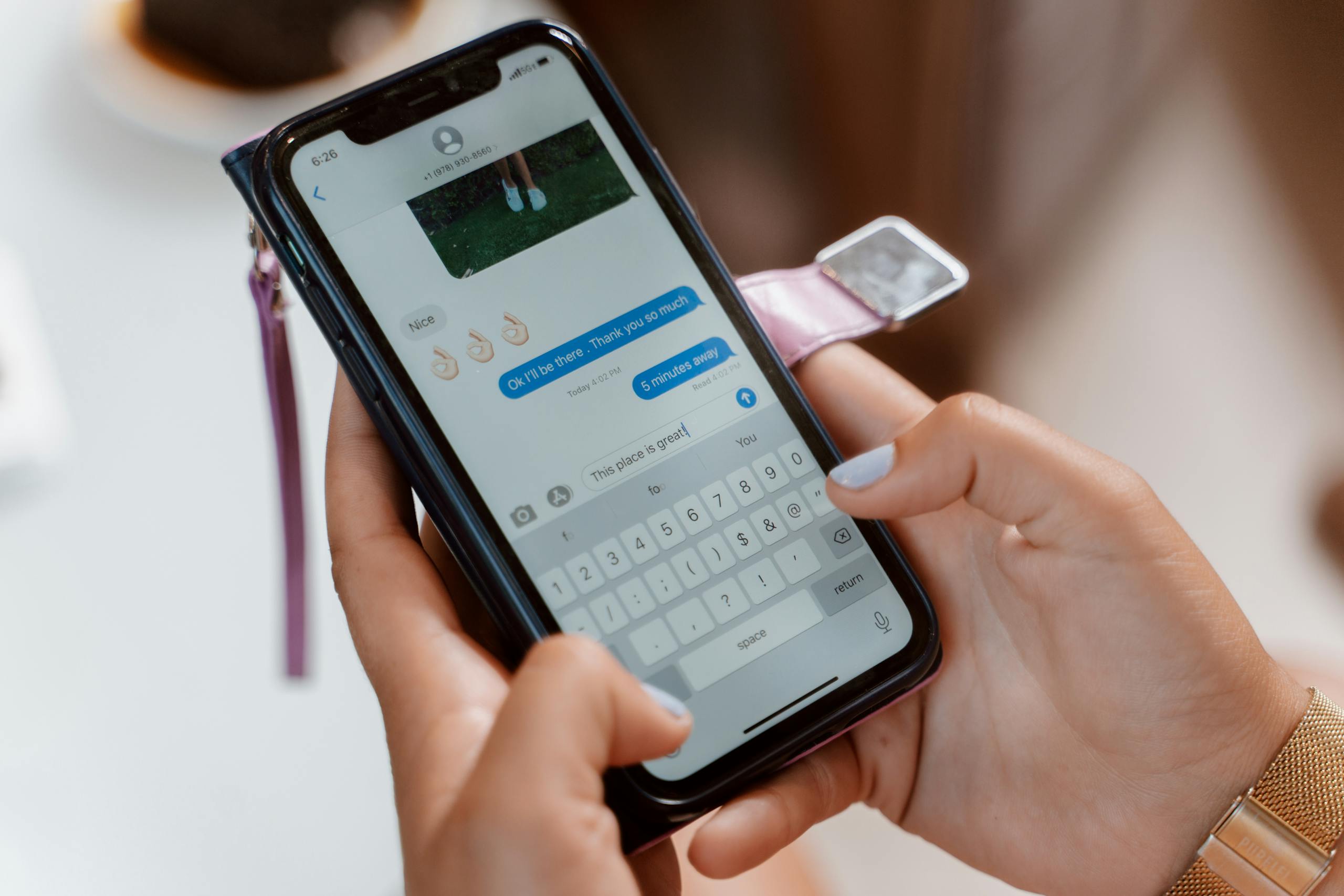
A child can send emojis before they can spell some words. A teen can manage five group chats, reply with memes, and understand online tone faster than many adults can find the settings menu.
Yet constant digital communication does not always build the face-to-face skills kids need in real life.
Real conversation teaches timing, eye contact, tone, disagreement, apology, humor, and empathy. A screen can support friendship, but it cannot fully replace the awkward, useful work of sitting across from another person and figuring out what to say next.
In 2025, many teens credit social media with helping them feel connected to friends, but roughly one in five also say social media hurts their mental health. That mixed picture is the heart of the issue. Screens can connect kids, but they can also crowd out deeper connections.
Screens are shaping identity before kids understand it.
Childhood used to come with embarrassing phases that mostly stayed inside a family photo album.
Now, kids grow up watching others perform beauty, popularity, success, humor, confidence, politics, talent, and even sadness for an audience. They are not just playing anymore. They are comparing.
That comparison can quietly shape how children see themselves. They learn what gets likes, what looks cool, which bodies get praised, which lifestyles seem normal, and which emotions look shareable.
The American Academy of Pediatrics now encourages families to look beyond simple time limits and consider the 5 Cs of media use: child, content, calm, crowding out, and communication.
That framework matters because what kids watch can shape them as much as how long they watch.
Screens are replacing outdoor play.

A screen does not scrape knees. It does not make kids sweat, climb, chase, dig, run, fall, or figure out how to settle a playground argument. Outdoor play gives children movement, risk, sunlight, social practice, and the kind of physical confidence no app can download.
The danger is not that a child watches cartoons or plays a game. The danger is displacement. When screens swallow the hours once used for biking, walking, jumping, building, and exploring, childhood becomes more sedentary and less sensory.
CDC research has linked heavy screen use, limited physical activity, and poor sleep with higher risks for negative mental health outcomes among teens, which makes balance more than a parenting preference. It becomes part of protecting daily well-being.
Screens are sneaking into school life.
School screens were once sold as the future. Tablets, laptops, digital assignments, learning apps, online quizzes, video lessons, and classroom platforms promised smarter, faster education.
Then, many parents and teachers began to notice the trade-off. More screens can mean more distraction, less handwriting, weaker attention, and fewer moments where students read, listen, discuss, or think.
The debate is now getting serious. In May 2026, at least a dozen states had introduced or passed policies to limit school screen use, especially for younger students, after pandemic-era technology spending put devices in the hands of nearly 90% of public school students.
Technology still has a place in learning, but schools are now asking a sharper question. Are screens helping children think better, or just making classrooms look modern?
Screens are changing sleep and family rhythms.

The most powerful screen in a child’s life may be the one they carry to bed. It keeps the day open long after the room should be quiet. One more video becomes five. One reply becomes a conversation.
One notification becomes a reason to check everything again. Sleep does not lose in one dramatic battle. It loses in tiny nightly negotiations.
This matters because sleep shapes mood, memory, learning, patience, and behavior. A tired child is not just sleepy. They may become more emotional, more distracted, more reactive, and less ready for school or family life.
The American Academy of Pediatrics says there is no one-size-fits-all screen time limit for every child and teen. Still, it urges families to set boundaries based on the child, content, calm, crowding out, and communication.
That approach gives parents a better question than “how many hours.” It asks what screens are pushing out of the child’s life.
Conclusion
Screens are not evil, and childhood need not return to some perfect old-fashioned fantasy. Kids need digital skills. They need to understand technology, use it wisely, and live in the world as it exists.
The real concern is not that screens exist. It is that screens are quietly taking over jobs once handled by boredom, outdoor play, family talk, imagination, sleep, patience, and real-world problem-solving.
American kids do not need screen-free childhoods as much as they need screen-aware childhoods.
They need adults who notice when a device has become the babysitter, the mood manager, the teacher, the friend group, the bedtime companion, and the escape hatch. A screen can entertain a child, but it should not raise one.