10 Toxic Money Beliefs Keeping People Broke Longer Than They Should Be
Money problems do not always begin with reckless shopping, bad luck, or one dramatic mistake. Sometimes, they begin with quiet beliefs that people repeat until they sound like the truth. “I’ll save when I earn more.” “Debt is normal.” “A little raise does not matter.” Those lines may feel harmless, but they can quietly drain progress.
The scary part is that these beliefs often look practical on the surface. They sound responsible, patient, or realistic, yet they can keep people trapped in the same paycheck pressure year after year. Here are 10 toxic money beliefs that make financial freedom harder than it needs to be.
Waiting For A Bigger Paycheck Before Saving
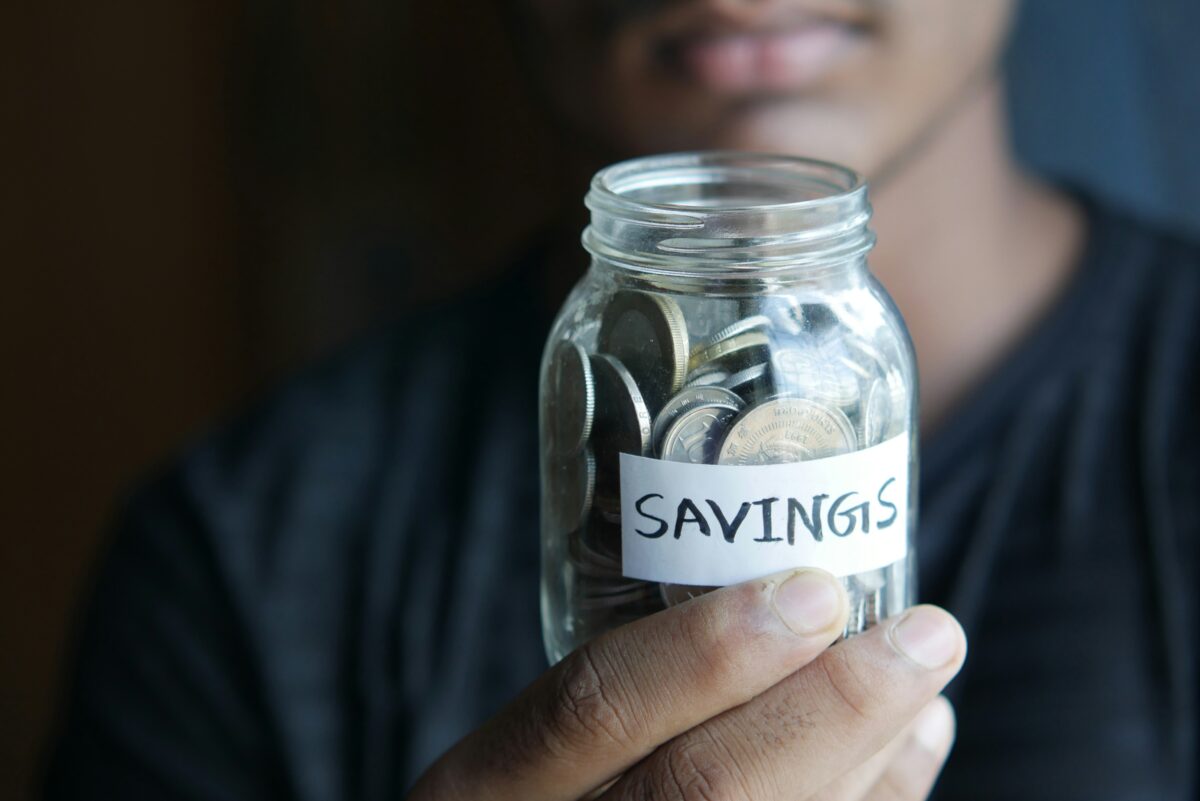
A bigger paycheck feels like the magic door that will finally open into savings, but that door keeps moving. People who wait for “more money” often spend the raise before it lands, because life quietly expands into every extra dollar.
The smarter belief is simple: save from the money you already have, even if the amount looks small. A tiny automatic transfer builds discipline, proves you can keep promises to yourself, and turns saving from a future fantasy into a present habit. The amount can grow later, but the muscle has to start now. Waiting only trains your budget to delay rescue until life gets easier.
Treating Rewards Like Free Money
Reward points, cashback, coupons, and gift cards can make spending feel painless, which is exactly why they are tricky. A person may walk into a store with a $25 credit and leave with a $90 receipt, convinced they got a deal. The problem is not the reward; it is the permission it gives your brain to loosen the budget.
Smart shoppers treat rewards like real cash, not play money. If a gift card makes you buy something you never wanted, it did not save you money. It simply dressed up overspending in a discount costume, called the outfit ‘smart,’ then handed you a bigger receipt and a smaller cushion.
Believing More Income Will Fix Bad Habits
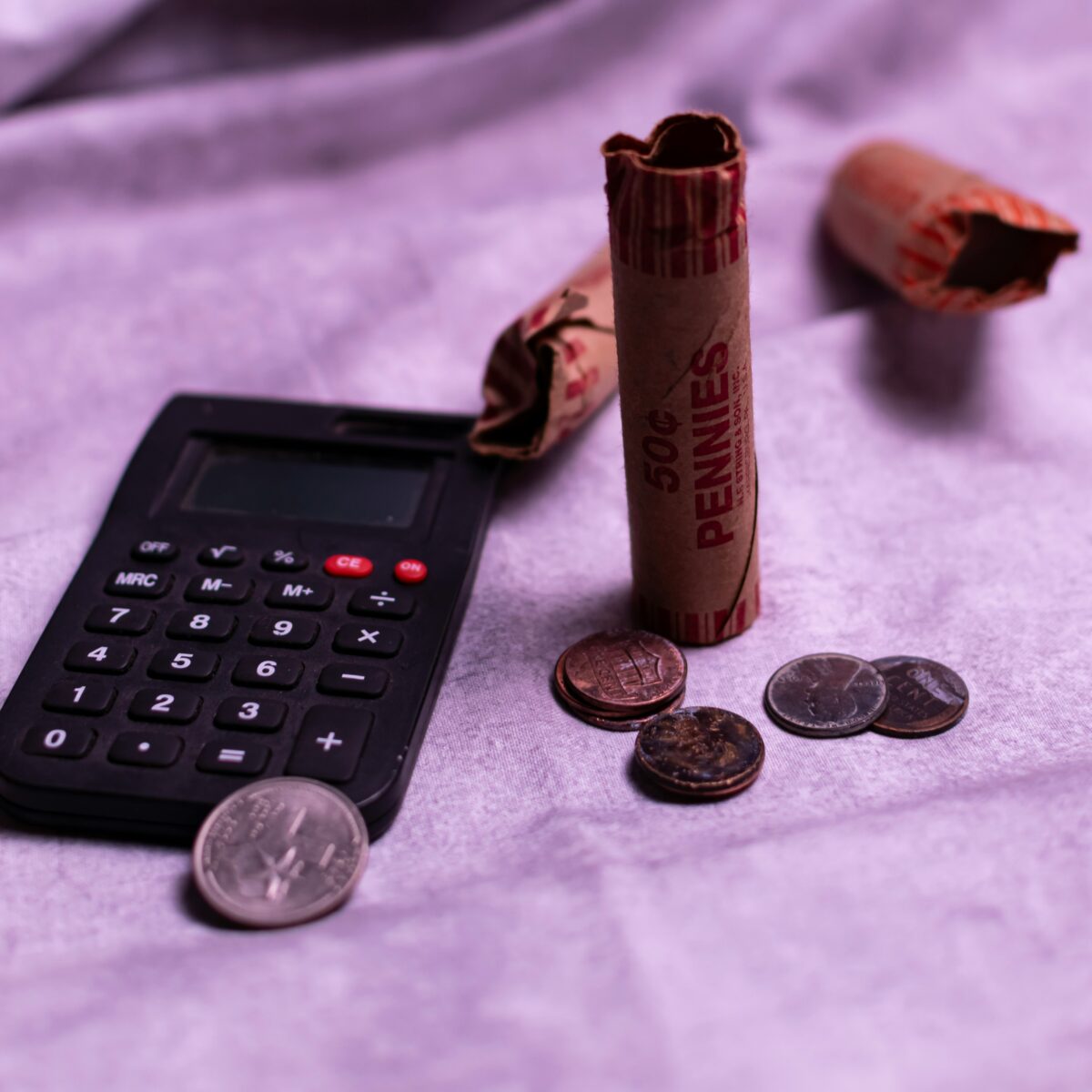
Earning more can help, but it cannot rescue a messy money system on its own. If spending has no boundaries, every raise becomes a bigger cage with nicer furniture. People often imagine that a future salary will make them organized, yet a higher income only magnifies the habits already in place.
Without a plan, more money turns into pricier bills, better restaurants, upgraded phones, and fresh excuses. A strong budget gives income direction. Otherwise, the paycheck grows while the pressure stays parked at the front door, asking for another raise and blaming the old one for failing again.
Spending Windfalls Before They Have A Job
Bonuses, tax refunds, gifts, and inheritance money feel different from regular income because they arrive as a surprise. That emotional rush can make people spend first and think later. A refund becomes a shopping weekend, a bonus becomes a luxury purchase, and the money disappears before it ever solves a real problem.
Every windfall needs a job immediately. Split it between debt, savings, future goals, and a little joy. The goal is not to kill fun; it is to prevent rare money from becoming another missed chance for better packaging, gone before it can make a useful difference.
Thinking Small Raises Are Too Tiny To Matter
A small raise can feel almost insulting when bills are loud, groceries are high, and rent keeps flexing its muscles. That feeling leads many people to ignore the extra money or absorb it into their daily spending. Yet small increases matter because they reset the base.
A little more can strengthen retirement contributions, speed up debt payoff, or build emergency savings without painful sacrifice. Progress is not always dramatic. Sometimes wealth grows through quiet inches, not giant leaps, and those inches count when you protect them before they vanish into lunches, fees, and subscriptions no one remembers.
Calling Yourself Bad With Money

Saying “I’m bad with money” sounds harmless, but it can become a locked door. Once people believe they are naturally careless, they stop looking for better tools. They avoid budgets, ignore statements, and treat every mistake like proof that change is impossible. Money skill is learned, not inherited like eye color. Nobody becomes confident by hiding from the numbers. Replace the label with a better one: “I’m learning how to manage money.” That simple shift turns shame into practice, practice into control, and control into calmer choices that finally stick over time.
Believing Debt Will Follow You Forever
Debt can feel like a shadow that keeps stretching, especially when minimum payments barely make a dent in the balance. After years of interest, fees, and stress, some people decide freedom is impossible. That belief is dangerous because it drains the very energy needed to fight back. Debt needs a plan, not despair. Start with one target, one extra payment, one negotiation, or one spending leak. The balance may not vanish overnight, but momentum changes the story. Hopelessness keeps debt comfortable; action makes it nervous enough to move and lose its grip on your future, one payment at a time.
Saving Only Because You Are Afraid
Fear can push people to save, but fear alone is a shaky financial compass. Some people stockpile cash with no plan, no goal, and no next step, then call it security. The money sits still while anxiety stays busy. A healthy savings plan has structure: emergency money for shocks, short-term savings for known needs, and long-term money that can grow. Saving should not feel like hiding under a financial blanket forever. It should feel like building a door you can walk through when life gets noisy and your confidence needs proof that you prepared with purpose, not panic.
Confusing Nice Things With Real Stability

A shiny car, designer bag, luxury phone, or polished apartment can look like success from the outside. The danger comes when people mistake the appearance of money for the presence of security. Nice things can hide thin savings, heavy debt, and monthly payments that leave no breathing room. Real stability is quieter. It shows up as emergency cash, low debt, steady contributions, and bills that do not bully the paycheck. Looking rich can impress strangers, but being secure lets you sleep without bargaining with your bank app at midnight or fearing the next bill.
Thinking Minimum Payments Mean Affordable Debt
The minimum payment box on a credit card bill can feel comforting because the number is usually small. That comfort is the trap. Paying only the minimum may keep the account current, but it also lets interest accrue, stretching the debt over months or years. “I can afford the minimum” is not the same as “I can afford this purchase.” A better rule is to ask whether you can pay the balance quickly without wrecking your essentials. If the answer is no, the item may be borrowing tomorrow’s peace for today’s thrill, and that bargain is expensive in disguise.
Conclusion
The beliefs that keep people broke are rarely loud. They whisper through daily choices, hide behind excuses, and make delays feel reasonable. The good news is that beliefs can be challenged before they become lifelong habits.
A better money life does not always begin with a huge raise, a perfect budget, or a miracle. It begins when someone stops repeating the old story and gives their money clearer instructions. Change the belief, and the behavior finally has room to change, too.