10 Thanksgiving Mistakes That Can Ruin the Holiday
Thanksgiving is supposed to be a day of gratitude, good food, and laughter, yet the holiday can quickly turn chaotic if guests or hosts slip up. Even minor missteps like showing up late, ignoring food safety, or starting a heated conversation can stress everyone out and steal from the joy of the day. Planning, mindfulness, and basic etiquette can make the difference between a memorable, warm gathering and a tense, stressful experience. Every detail matters, from timing and menu coordination to behavior at the table, and keeping these principles in mind ensures a celebration that leaves everyone happy.
By paying attention to common mistakes, we protect the meal, the atmosphere, and the effort the host put in. Thanksgiving isn’t just about the food; it’s about connection, gratitude, and shared memories. Avoiding the following ten missteps will help the holiday run smoothly while keeping spirits high and tension low.
Forgetting to Communicate About Your Dish

Showing up without confirming what you’re bringing can throw off even the most organized Thanksgiving dinner. The host builds the menu to balance flavors, ensure everyone has a favorite dish, and account for dietary needs. When a guest arrives with an unplanned or unexpected dish, it can create confusion, overcrowding, or a shortage of critical staples like mashed potatoes, stuffing, or cranberry sauce.
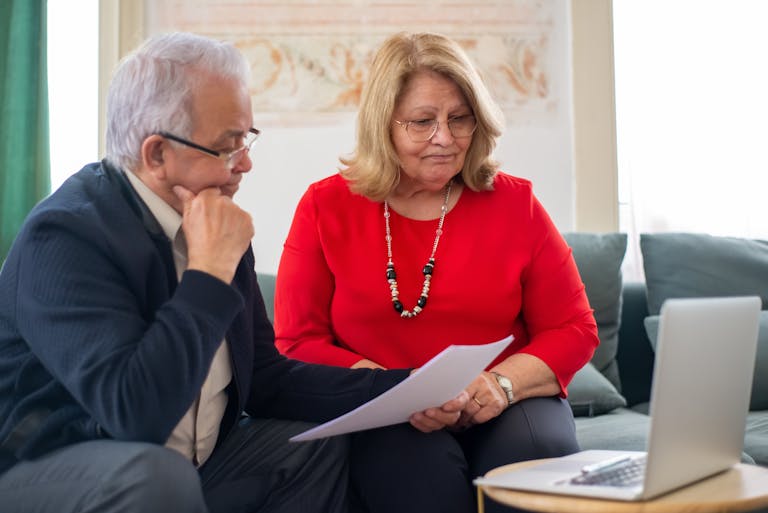
Always reach out to the host ahead of time to confirm what to bring and stick to that plan. Even minor swaps or last-minute changes can cause unnecessary stress in a kitchen already stretched thin. Clear communication ensures that your contribution fits seamlessly into the meal and adds to the collective effort rather than creating a gap in the menu or timing.
Arriving Unprepared for a Long Day
Thanksgiving is a marathon, not a sprint, and arriving unprepared can disrupt the day from the start. Guests who fail to plan for traffic, weather, long meal times, or spill-prone clothing can end up adding stress rather than relief. Bringing serving utensils, extra napkins, or a dish that’s ready to go shows foresight and consideration for the host.
Preparing for a long day means more than just dressing appropriately; it also involves timing your arrival, knowing your role, and anticipating potential complications. By being organized and intentional, we help the host manage the event and avoid last-minute scrambles that could dampen the mood. A well-prepared guest eases the load, keeping the day relaxed and enjoyable.
Overcomplicating Your Contribution
Trying to impress with overly complicated dishes is a common Thanksgiving trap. While ambitious recipes can be tempting, they often require oven space the host doesn’t have, precise timing, or advanced techniques that can fail under pressure. Complex dishes also risk being undercooked, overcooked, or overlooked entirely if the timing is off.
The safest approach is to bring reliable, classic dishes that are ready to serve and complement the menu. If you want to experiment, keep it small and manageable, like a simple salad, a unique appetizer, or a pre-baked dessert. Sticking to familiar flavors ensures that your dish contributes without adding stress, keeping the meal flowing smoothly for everyone.
Ignoring Dietary Restrictions

Thanksgiving tables increasingly accommodate a range of diets, including vegetarian, vegan, gluten-free, and allergy-sensitive meals. Failing to account for these restrictions can create health risks and awkward moments for guests. Hosts may plan alternatives or special substitutions, and a guest who ignores dietary restrictions risks unintentionally causing harm.
Check the ingredients before preparing your dish, and communicate with the host if it could affect anyone’s diet. Thoughtful consideration ensures everyone feels included and safe while enjoying the meal. Awareness and care are as important as flavor in creating a shared holiday experience.
Spending the Entire Meal on Your Phone
Thanksgiving is about presence, yet scrolling social media, texting, or recording everything can make you seem disconnected. Excessive phone use signals that the people around you are less important than whatever is on your screen. It also distracts other guests, interrupts conversations, and diminishes the warmth of shared moments.
Keep phone use minimal, taking only a few photos or checking urgent messages outside the dining area. Prioritizing engagement and conversation strengthens connections and allows everyone to experience the full holiday. Being fully present at the table ensures memories are made with people, not pixels.
Overstaying Your Welcome
Even when the conversation is flowing and desserts are plentiful, lingering too long can exhaust the host. After hours of cooking, cleaning, and managing logistics, the host may need space to relax or clean up. Guests who fail to notice social cues can inadvertently turn a festive gathering into a stressful environment.
Gauge your stay by observing the host’s energy and behavior. Offer to help clear dishes, pack leftovers, or tidy the space before you leave. Departing gracefully shows respect for the effort involved and ensures the host remains appreciative rather than depleted.
Bringing a Controversial Topic to the Table
Thanksgiving brings together people of all ages, beliefs, and experiences. Introducing topics like politics, religion, or other divisive subjects can quickly create conflict. Even if everyone shares your perspective, debates can escalate, creating tension that overshadows the celebration.
Stick to neutral, inclusive, and positive conversation topics such as gratitude, family stories, travel experiences, or shared hobbies. Choosing uplifting dialogue maintains a warm atmosphere and ensures that guests leave feeling happy rather than frustrated or defensive.
Attempting to Take Over the Kitchen

Helping in the kitchen is appreciated, but taking control without permission is often unwelcome. The host has orchestrated the meal, from oven timing to ingredient preparation, and unsolicited interventions can disrupt the process. A guest who dominates the kitchen may create mistakes or slow down progress at a critical moment.
Offer assistance politely and step back if declined. There are other ways to help, such as pouring drinks, entertaining children, or clearing plates, that do not disrupt the host’s workflow. Respecting the kitchen space ensures everyone feels comfortable and the meal stays on track.
Forgetting Food Safety Basics
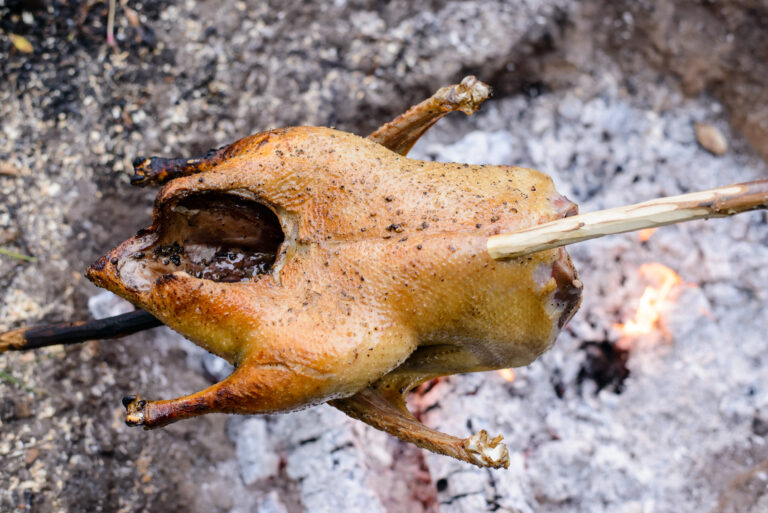
Thanksgiving meals involve large quantities of perishable food, making food safety critical. Thawing turkey on the counter, leaving food out too long, or serving undercooked dishes can pose serious health risks. Following safe handling practices prevents illness and keeps the holiday memorable for the right reasons.
Always thaw turkey in the refrigerator or cold water, cook to an internal temperature of 165°F, and refrigerate leftovers promptly within two hours. Careful attention to food safety demonstrates responsibility and protects the health of all guests, keeping the holiday stress-free and enjoyable.
Neglecting to Show Appreciation

Hosting Thanksgiving requires immense effort, from cooking and cleaning to coordinating seating and timing. Showing up empty-handed or leaving without acknowledgment undermines this effort. Even a small gesture, a host gift, a bottle of wine, or a heartfelt thank-you communicates gratitude and respect.
Simple expressions of appreciation honor the host’s hard work and elevate the holiday experience. Gratitude strengthens relationships, sets a positive tone, and ensures that everyone leaves feeling valued and celebrated.
Conclusion
Thanksgiving thrives when guests are thoughtful, prepared, and present. Avoiding these ten mistakes, such as poor communication, complicated dishes, ignoring safety, or disrespecting the host, protects the meal, the atmosphere, and the people we gather with. A mindful approach ensures a warm, memorable, and stress-free holiday.