10 Types of Illiteracy That Quietly Shape How We Think, Work, Spend, Vote, and Survive
Literacy used to mean one thing for most people: the ability to read and write. That definition still matters deeply because millions of adults remain locked out of opportunity by limited reading skills. UNESCO reports that 739 million adults still cannot read and write, even though global literacy has improved dramatically across generations.
Yet modern life now demands far more than decoding words on a page. We read bank terms, food labels, medical warnings, school dashboards, privacy notices, AI outputs, climate alerts, charts, contracts, news feeds, social posts, and emotional signals every single day. The real danger is that many forms of illiteracy hide in plain sight, allowing a person to appear educated while still being dangerously unprepared for the systems shaping their life.
Statistical Illiteracy
Statistical illiteracy is the inability to interpret data, risk, probability, averages, charts, margins, samples, and comparisons. It appears when people panic over rare risks, ignore common risks, confuse correlation with causation, or accept impressive numbers without asking how they were produced.
This illiteracy is everywhere in public debate. A statistic can be technically true and still misleading if it lacks context. Percentages can sound dramatic when the actual numbers are small. Averages can hide inequality. Surveys can be biased. Graphs can be designed to exaggerate tiny changes. Statistical literacy helps us see numbers as evidence to examine, not magic words that end the conversation.
Reading and Writing Illiteracy

Reading and writing illiteracy remains the foundation of the wider literacy crisis. It describes the inability to read, understand, or produce written language at a level needed for daily life. A person may recognize letters, read simple words, or sign their name, yet still struggle with instructions, forms, labels, job applications, medical directions, and public notices.
This form of illiteracy affects safety, income, confidence, and independence. We cannot talk seriously about modern opportunity without addressing the fact that written information still controls access to jobs, healthcare, government services, education, legal rights, and digital platforms. Even in highly connected societies, a person who cannot understand written instructions is forced to depend on others for decisions that should be private and personal.
Computer Illiteracy
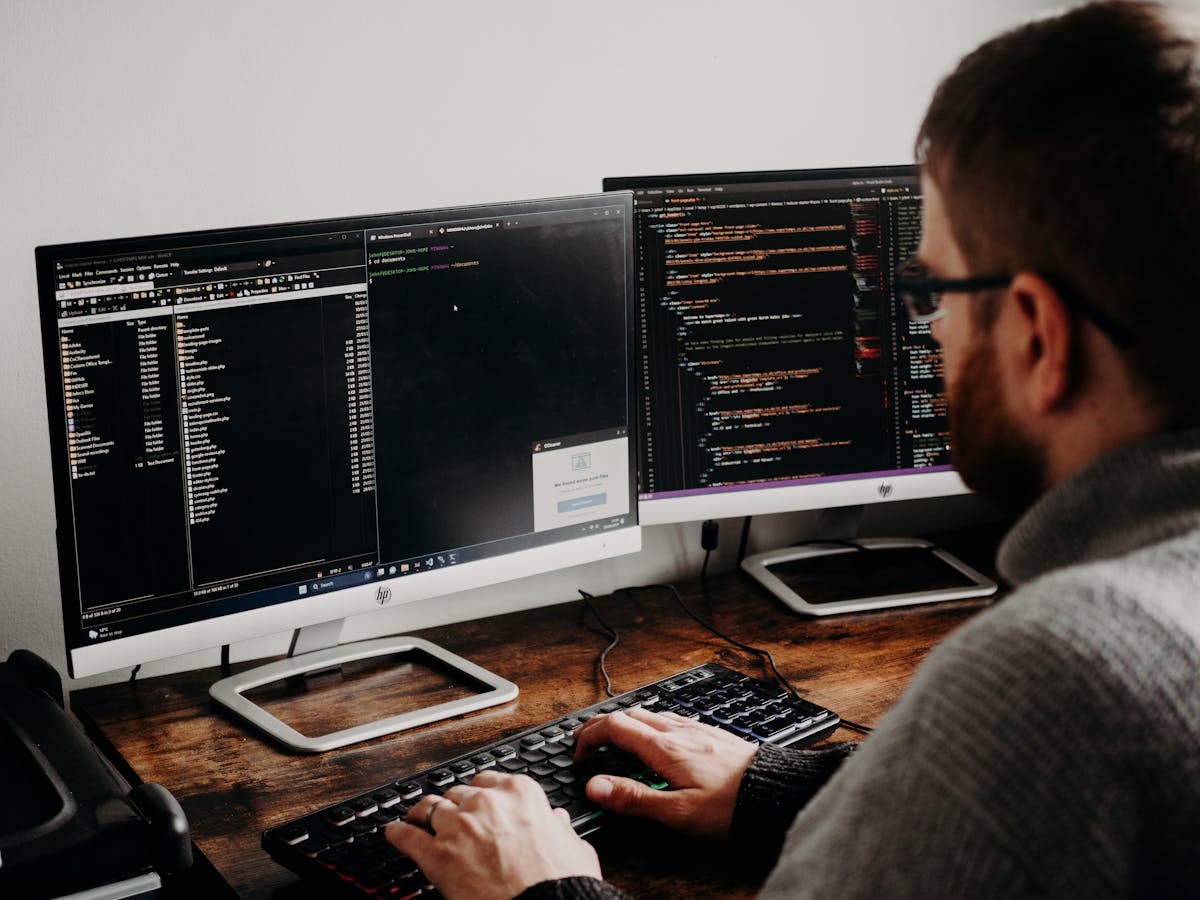
Computer illiteracy is a narrower form of digital illiteracy. It refers to difficulty using computers at a basic operational level. A computer illiterate person may struggle with files, folders, keyboards, software updates, attachments, printing, browsers, spreadsheets, or basic troubleshooting.
This matters because many workplaces still depend on computer-based tasks, even when the public conversation focuses heavily on smartphones and apps. A person who can scroll social media for hours may still freeze when asked to upload a document, format a resume, create a spreadsheet, share a file, or join a virtual meeting from a laptop. Computer literacy remains a practical workplace survival skill.
Functional Illiteracy
Functional illiteracy is more subtle because the person can technically read but cannot use reading well enough to function confidently in real situations. Someone may read a sentence aloud yet miss its practical meaning. A warning label, lease clause, bus timetable, school letter, or workplace safety notice may look familiar, but the action required remains unclear.
This type of illiteracy is especially damaging because it often goes unnoticed. People may hide it through memorized routines, avoidance, humor, or dependence on friends and family. The OECD’s 2023 Survey of Adult Skills defines literacy as the ability to understand, evaluate, use, and engage with written texts to participate in society and achieve goals. This shows why reading alone is not enough.
Critical Illiteracy
Critical illiteracy is the inability to question, compare, interpret, and challenge information. It is not the same as being cynical. A critically literate person does not reject everything. They examine claims carefully, test assumptions, notice contradictions, and separate evidence from emotional performance.
Critical illiteracy makes people easy targets for propaganda, scams, conspiracy theories, manipulative advertising, and bad leadership. It also weakens everyday decision-making. We can read a product review, political speech, health claim, or financial promise and still fail to ask whether the claim is complete, fair, current, or supported by strong evidence.
Digital Illiteracy

Digital illiteracy is the inability to use digital tools, platforms, and online systems safely and effectively. It includes difficulty using email, browsers, passwords, cloud storage, online forms, mobile apps, search engines, video calls, and digital payment systems. In today’s world, digital illiteracy can block someone from applying for work, booking appointments, accessing banking, communicating professionally, or completing school tasks.
The problem is no longer limited to people who have never touched a computer. Many people use smartphones daily yet remain digitally illiterate because they cannot manage privacy settings, spot fake apps, recover accounts, compare search results, or protect themselves from scams. The digital divide is now about access, skills, confidence, safety, and meaningful use.
Media Illiteracy
Media illiteracy is the inability to analyze media messages, motives, framing, ownership, sourcing, and emotional manipulation. It appears when we accept every televised claim, viral post, podcast rant, sponsored segment, or influencer opinion as neutral truth. It also appears when we fail to notice that images, headlines, music, editing, and selective facts can shape our emotions before our reasoning catches up.
UNESCO describes media and information literacy as essential for dealing with misinformation, disinformation, hate speech, declining trust in media, and digital innovation. In practical terms, media literacy helps us ask sharper questions. Who benefits from this message? What evidence is missing? What language is designed to make us angry, afraid, or loyal before we think?
Financial Illiteracy

Financial illiteracy is the inability to understand money decisions well enough to manage income, debt, savings, credit, risk, interest, budgeting, taxes, insurance, and long-term planning. It shows up when people confuse monthly payments with affordability, ignore interest rates, misuse credit cards, fall for get-rich-quick schemes, or avoid retirement planning because the terms feel intimidating.
The OECD’s PISA 2022 financial literacy findings show that stronger financial literacy is linked with more responsible financial behavior. High performers were more likely to save money and compare prices before buying. Financial illiteracy is costly because small misunderstandings compound. A missed fee, a bad loan, a weak budget, or an impulsive purchase can quietly become years of financial pressure.
Numerical Illiteracy
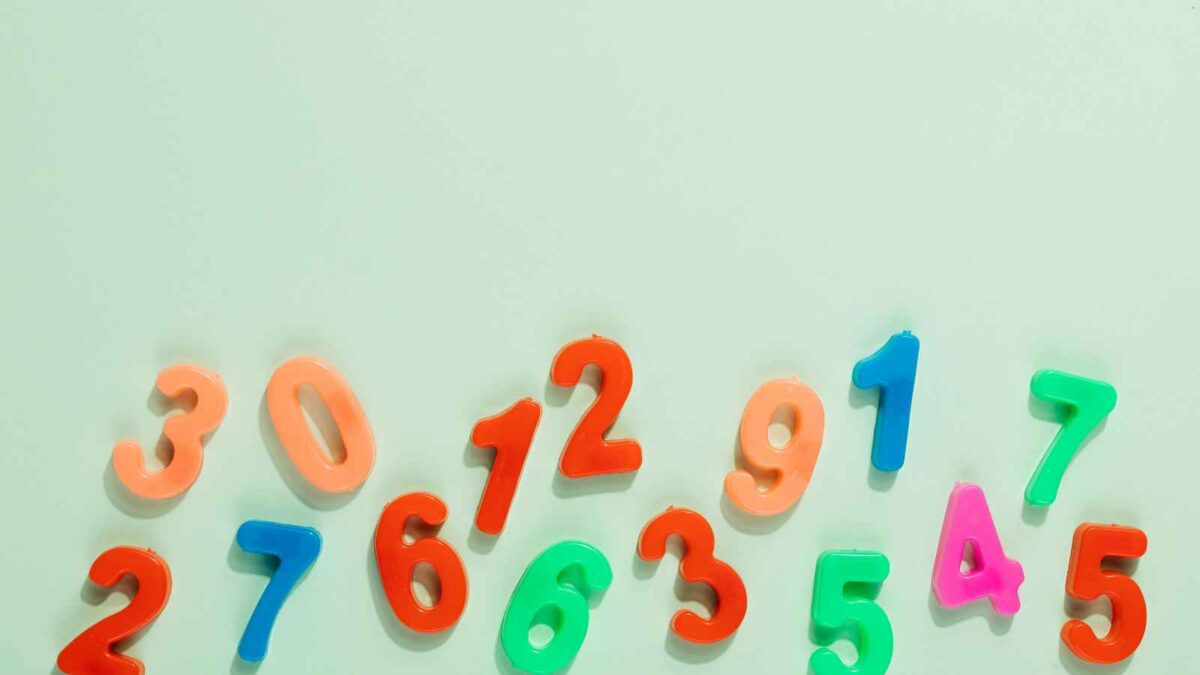
Numerical illiteracy, also called low numeracy, is the inability to use basic numbers in everyday life. It affects percentages, discounts, measurements, estimates, ratios, bills, wages, time, interest, and probability. A person with weak numeracy may struggle to calculate a sale price, compare unit costs, understand a loan, check a receipt, or estimate how long a task will take.
This form of illiteracy often hides behind calculators and apps. The problem is not that people cannot press buttons. The problem is that they may not know what calculation is needed, whether the answer makes sense, or how numbers can be used to mislead them. In the United States, NCES reported that the share of adults performing at the lowest numeracy level rose from 29 percent in 2017 to 34 percent in 2023.
Information Illiteracy
Information illiteracy is the inability to know when information is needed, where to find it, how to evaluate it, and how to use it responsibly. It shows up when people repeat claims without checking them, rely on one weak source, confuse opinion with evidence, or keep arguing after better evidence appears.
This type of illiteracy is dangerous because the modern internet rewards speed more than accuracy. A person can feel informed after reading headlines, comments, screenshots, and short videos, yet still have no reliable understanding of the issue. Information literacy requires humility, because the first skill is knowing when our knowledge has reached its limit.