Pentagon Iran War Casualty Reporting Changes Spark Transparency Fight Over America’s Military Losses
A casualty number is never just a number. Behind every figure released by the Pentagon is a service member, a family receiving difficult news, and a public trying to understand the true cost of military decisions. The growing controversy over Pentagon Iran war casualty reporting changes has placed a new spotlight on how the United States measures, explains, and records the human impact of conflict.
The dispute began after the Pentagon altered how it publicly tracks U.S. military deaths and injuries connected to the Iran war. Instead of maintaining one continuous casualty count, the department moved some losses into a broader category called “Overseas Operations,” creating concerns among lawmakers and transparency advocates that the full toll of the conflict could become harder to follow.
For Senator Tammy Duckworth and other critics, the issue is not simply about recordkeeping. They argue that accurate casualty reporting is a foundation of democratic accountability. When Americans send troops into combat, they believe the public deserves a clear picture of the sacrifices being made in their name.
The debate over Pentagon Iran war casualty reporting changes now reaches beyond a single database update. It raises larger questions about military transparency, presidential war powers, public trust, and whether modern conflicts are becoming easier to obscure through complex administrative categories.
A battlefield measured through paperwork creates a new transparency battle

Military conflicts have always depended on accurate records. From the names listed on war memorials to official government databases, casualty information has helped societies understand the consequences of decisions made by political and military leaders.
The Pentagon’s Defense Casualty Analysis System has traditionally served as the government’s official record for tracking American service members killed and wounded during major operations. Military branches submit casualty information, which is then compiled into a public record designed to provide clarity during periods of conflict.
However, recent changes to Pentagon Iran war casualty reporting have raised concerns because the method of counting losses appears more complicated than previous approaches. Critics argue that separating casualties into different categories may make it harder for citizens to understand the complete human cost of the conflict.
The concern is not that military operations never change. Modern warfare often involves different missions, locations, and strategic phases. The concern is whether changes in operational language should also change how the public measures the consequences of war.
A single casualty figure has historically provided a simple but powerful measure of military involvement. When that figure becomes divided across multiple categories, critics argue that the public may lose the ability to quickly understand whether a conflict is growing, shrinking, or continuing.
The controversy highlights a broader challenge facing governments in modern warfare. Military campaigns today often involve complex operations that do not always resemble traditional wars with clear borders, timelines, or endings.
The hidden danger of turning human sacrifice into administrative categories
The language used to describe military operations can shape how the public understands those operations. Terms such as “operational phases” and “overseas activities” may have specific military meanings, but critics argue that these terms can create distance between official records and human experiences.
A wounded soldier does not experience a change in classification. A military family does not experience a new category after losing a loved one. For those directly affected, the consequences of war remain personal and permanent regardless of how government systems organize information.
This is why the debate over changes to Pentagon Iran war casualty reporting has become a larger discussion about whether bureaucracy can unintentionally weaken public awareness. Critics argue that complex reporting structures may reduce visibility at the exact moment when transparency matters most.
History offers several examples of why casualty reporting remains politically significant. During the Vietnam War, disagreements between government statements and public perceptions contributed to a major decline in trust toward federal institutions.
The lessons from previous conflicts continue to influence how Americans view military information today. Casualty numbers have often served as one of the clearest indicators of whether a conflict is producing costs that require deeper public discussion.
The issue is especially important because modern conflicts can continue without traditional declarations of war. Military operations may involve air campaigns, special forces missions, intelligence activities, and regional deployments that blur the line between peace and war.
As military strategy becomes more complicated, transparency systems become even more important. A complex battlefield should not create a confusing public record.
Tammy Duckworth’s challenge puts Pentagon accountability under pressure
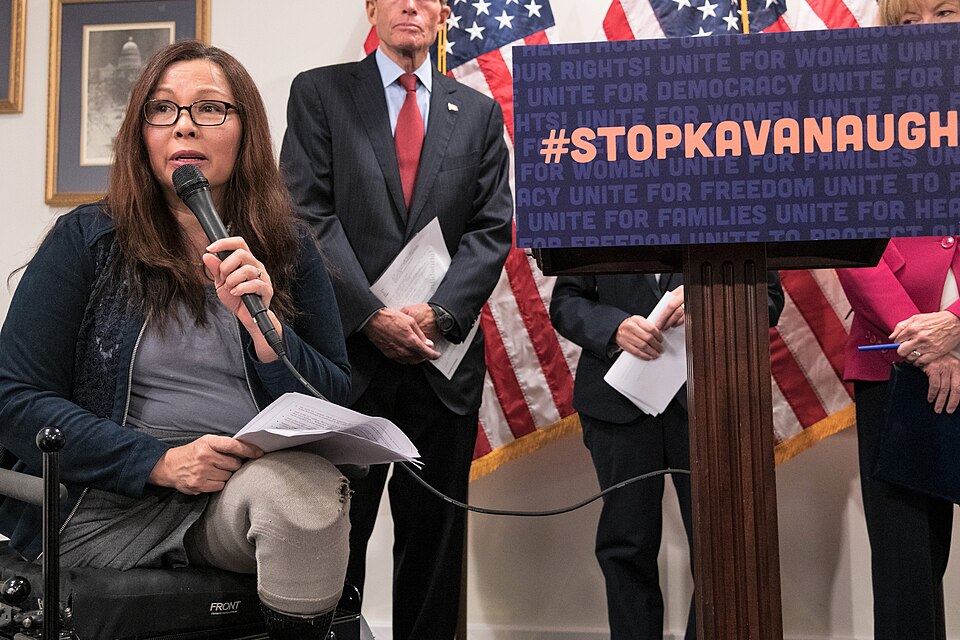
Senator Tammy Duckworth has become one of the most prominent voices challenging the Pentagon’s approach to casualty reporting. Her position carries additional significance because of her own experience as a combat veteran who suffered life-changing injuries while serving in Iraq.
Duckworth argues that Americans deserve confidence in official military records. She has questioned whether Pentagon leadership has provided enough transparency regarding casualties connected to the Iran conflict.
Her proposed legislation would require the Pentagon to maintain a unified casualty count for the war and ensure that families of fallen service members are informed when official records are corrected or adjusted.
For Duckworth, the issue represents a responsibility owed to military personnel and their families. She has argued that the country must not allow administrative decisions to create uncertainty about the sacrifices made by service members.
The senator’s criticism reflects a broader concern among lawmakers that military information should remain consistent regardless of political circumstances. They argue that casualty reporting standards should not change based on how an administration defines different phases of a conflict.
The debate has also raised questions about institutional trust. The Pentagon depends on credibility with service members, Congress, veterans, and the American public.
When questions emerge about official records, the impact extends beyond one conflict. It can affect confidence in future military reporting and government communication.
The legal fight behind the numbers: war powers and accountability
The dispute over casualty reporting is closely connected to a larger debate about presidential authority and the War Powers Resolution. The law was created to ensure that presidents inform Congress when U.S. forces enter hostilities and to limit extended military action without congressional approval.
The Trump administration has argued that Operation Epic Fury ended in May and that renewed fighting beginning July 7 represented a separate phase of military activity. Some lawmakers and legal experts have challenged that interpretation.
Critics believe separating military operations could influence arguments about whether the conflict falls within legal limits established by Congress. They argue that changing the way a war is categorized could have consequences beyond casualty statistics.
Experts on war powers have noted that modern conflicts create difficult legal questions. Unlike earlier wars with clearly defined battlefields, current operations can continue through different stages and locations.
However, critics argue that legal complexity should not prevent straightforward public reporting. They believe Americans should be able to understand the full scope of military involvement regardless of how officials classify different operations.
The controversy demonstrates how casualty reporting and legal interpretation can become connected. A decision that appears administrative may influence broader debates about executive power and congressional oversight.
Limited Pentagon communication fuels deeper questions about public trust

The debate over changes to Pentagon Iran war casualty reporting has intensified because of concerns about limited public information surrounding the conflict. Critics say the Pentagon has provided fewer details about casualties, including the locations and circumstances surrounding military losses.
The department has also faced criticism for reducing opportunities for extensive media questioning compared with previous major conflicts. Historically, journalists covering American wars have provided independent accounts of battlefield conditions and military operations.
Transparency does not mean releasing information that could endanger troops or compromise missions. Military officials have long balanced public communication with security concerns.
However, critics argue that the current level of information creates uncertainty. When official explanations are limited, speculation often grows because the public searches for answers elsewhere.
The relationship between military institutions and citizens depends heavily on trust. Clear communication during conflict helps maintain confidence, even during difficult moments.
A lack of information can create the perception that officials are avoiding scrutiny, even when military leaders believe they are following established procedures.
Why casualty reporting will define future conflicts
The controversy surrounding Pentagon Iran war casualty reporting changes reflects a much larger challenge facing modern democracies. Future conflicts may involve fewer traditional battlefields and more complex operations involving technology, cyber warfare, drones, and specialized military units.
Tracking casualties in these environments will require updated systems. However, experts and lawmakers argue that modernization must not come at the expense of transparency.
The challenge is finding a balance between operational security and public accountability. Citizens need enough information to evaluate military decisions while commanders need the flexibility to protect ongoing missions.
The debate also raises questions about how history will record modern conflicts. Future generations will rely on government archives, military databases, and official reports to understand what happened.
If those records become fragmented or difficult to interpret, historians and policymakers may struggle to measure the true impact of military actions.
That possibility makes casualty reporting more than an administrative responsibility. It becomes part of preserving the historical record of national decisions.
The future of military transparency depends on trust, not terminology

The debate over the Pentagon Iran war casualty reporting changes is ultimately about more than categories, databases, or political disagreements. It is about whether a democratic society can maintain a clear understanding of the sacrifices made during war.
Every casualty record represents a person whose life changed because of national policy. Every military family affected by loss deserves confidence that official records will accurately reflect that sacrifice.
As governments face increasingly complicated conflicts, transparency will become more important, not less. The challenge will be ensuring that operational complexity does not become a barrier between citizens and the reality of war.
The question facing policymakers is simple but significant: when a nation chooses to fight, should the public ever struggle to understand the full cost? The answer will shape not only how the Iran war is remembered, but how future conflicts are reported and understood.