Chicago’s Famous Cheese and Caramel Popcorn Has a Twist That Leads Straight to Minnesota
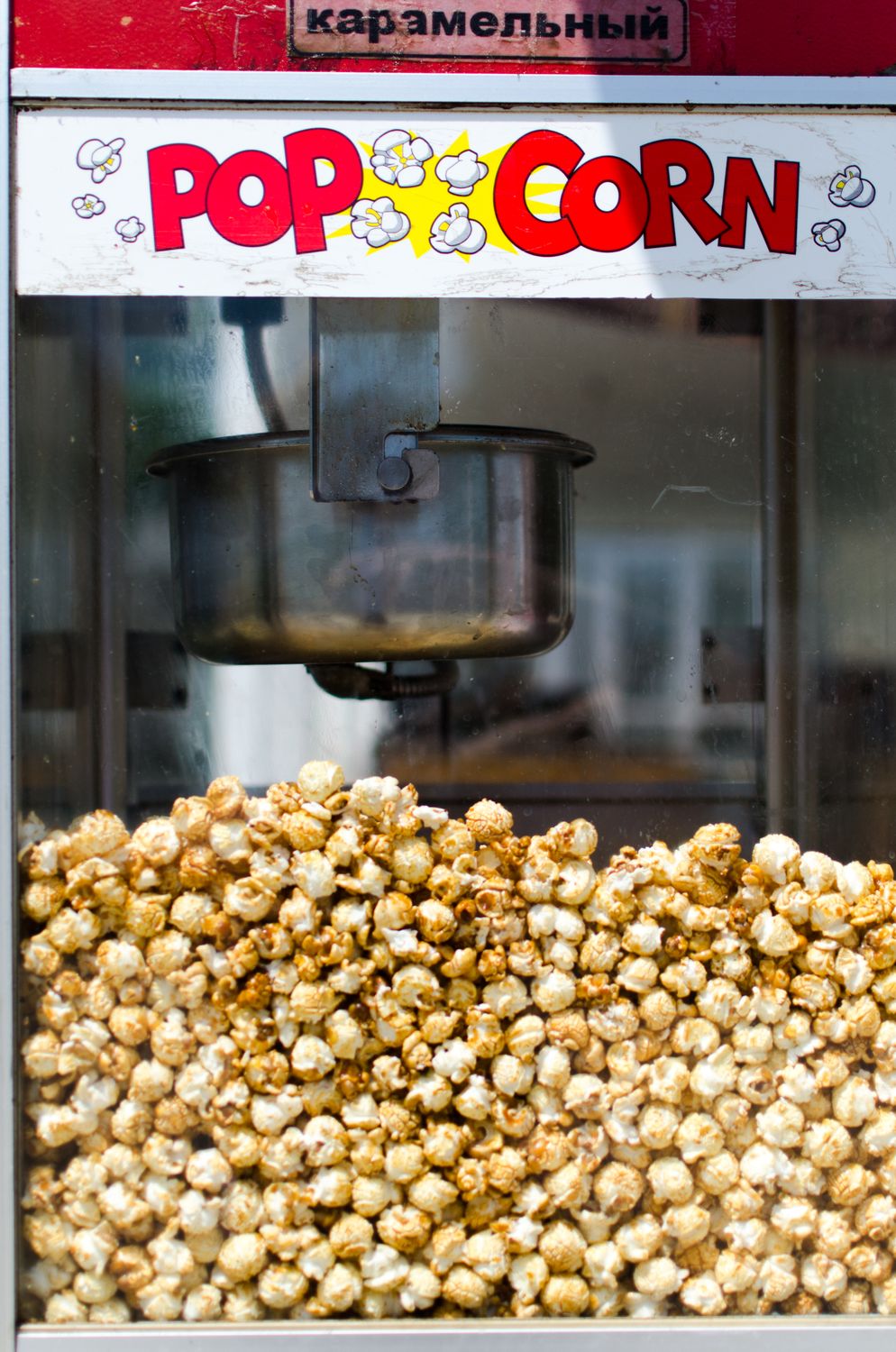
Cheese popcorn and caramel corn sound like snacks that belong in separate bowls, until someone shakes them together. That sweet-and-savory combination became a Chicago signature at Garrett Popcorn Shops, where customers mixed the flavors themselves before the company officially offered the blend in 1977. But the history comes with a delicious complication: Candyland, a St. Paul, Minnesota, business, owns the trademarked name, Chicago Mix. The snack’s story and the name’s story are related, but they are not identical.
That distinction explains why a bag of Garrett’s cheese-and-caramel popcorn is sold as Garrett Mix rather than Chicago Mix. It also explains how a Midwestern snack developed a backstory involving resourceful customers, an extra paper bag, and a legal dispute between popcorn companies. Another detail to know before choosing sides: Candyland’s Chicago Mix contains three varieties of popcorn, not two. Its version brings seasoned popcorn into the party alongside cheese and caramel.
Chicago Customers Had Their Own Mixing Strategy
Garrett’s Chicago history began in 1949, when the business opened in the Loop. The company identifies entrepreneur Gladys Otto as its founder and describes its original offerings as family recipes that included CaramelCrisp, CheeseCorn, Buttery, and Plain popcorn. Caramel and cheese would eventually become the pairing most closely associated with its signature mix, but they didn’t start as an inseparable duo. Customers helped turn those individual flavors into something worth ordering together.
By the 1970s, regulars had developed a straightforward system: buy one bag of cheese popcorn, buy another of caramel corn, and request a third, empty bag. That last bag was the mixing bowl. In its history of Garrett, Time Out Chicago reported that customers combined the two themselves, creating the sweet-and-savory snack that would become an official offering around 1977. An empty bag, it turns out, had a useful role in this particular piece of food history.
The customer-led mixing also created a practical issue at the counter. “CaramelCrisp weighs considerably more than CheeseCorn,” Megan Chody, then Garrett’s director of consumer engagement, told Time Out in 2019. She explained that the shops used scales to determine bag sizes and that the family eventually allowed them to mix the flavors. The process was less about inventing an elaborate new recipe than accommodating how people already wanted to eat the popcorn.
Garrett’s account places the official debut of its combination in 1977, a date MPR News also discussed in its investigation of the snack’s origins. That sets an earlier commercial timeline than Candyland’s 1988 introduction, but it doesn’t establish who first thought to combine cheese and caramel popcorn. The careful version of the story is that Garrett credits its customers with inspiring its menu item. As MPR editor Lisa Ryan put it, “It seems like maybe people invented it and stores started serving what people already wanted.”
Related: This Benton City Pumpkin Patch Is Adding More Fall Fun for Families
Minnesota Gave Chicago Mix a Different Recipe
Candyland’s roots stretch back to 1932, when the St. Paul business began as Flavo Korn. Its contribution to this story arrived decades later, in 1988, after owner Brenda Lamb returned from a candy show in Chicago. According to her account to the Star Tribune, she mixed three popcorn varieties together and put the bags out for customers. The combination sold quickly, giving Candyland a product that would become central to its identity.
Unlike Garrett’s two-flavor combination, Candyland’s recipe included caramel, cheese, and regular seasoned popcorn. MPR reported that the seasoned variety uses salt and oil, along with what Lamb playfully called Candyland “magic.” Those three popcorn recipes traced back to the shop’s Flavo Korn beginnings. So, although the two companies shared the same disputed name, their mixtures weren’t exactly the same snack. One paired two flavored popcorns; the other added a third variety.
The Chicago name was a deliberate nod to the city Lamb had just visited, and it also served a marketing purpose. She told the Star Tribune she chose it because Chicago was “the popcorn capital, and marketing-wise putting a big city’s name on it will draw more attention.” Candyland applied for the trademark in 1990 and received it in 1992. That registration concerned the name, a distinction that matters far more to this story than which company preferred which popcorn proportions.
The Popcorn Stayed, but the Name Became a Legal Fight
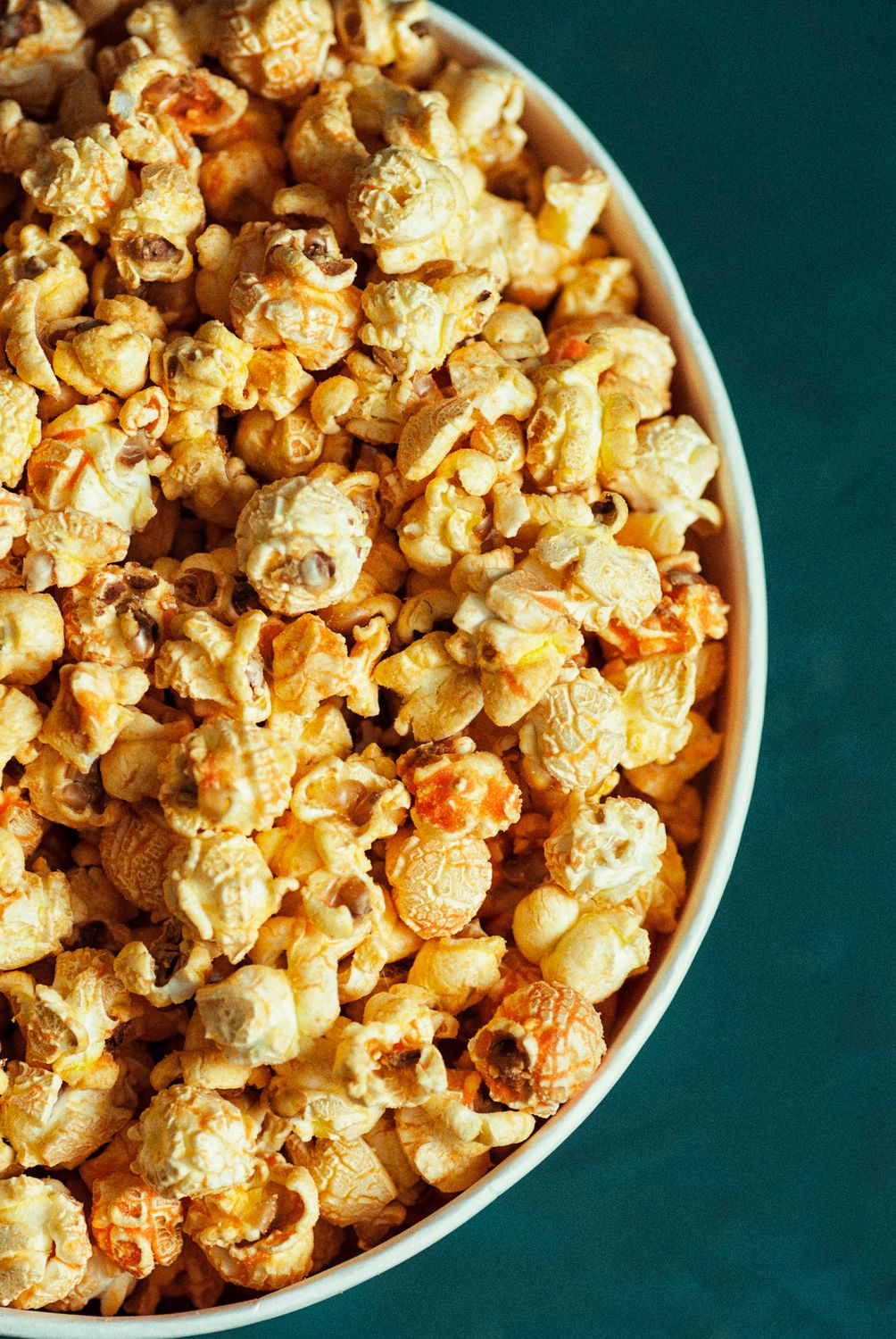
In August 2014, Candyland filed federal trademark infringement lawsuits against Garrett, Cornfields, and Snyder’s-Lance over their use of Chicago Mix. The dispute was not an attempt to stop everyone else from combining sweet and cheesy popcorn. Lamb’s position concerned the words used to sell it. “They’re using a name that they shouldn’t be because we’re the ones that have it federally trademarked,” she told NBC Chicago. The recipe and the branding were separate issues.
Garrett, meanwhile, said its move toward Garrett Mix was already underway before the lawsuit. In a statement reported by NBC Chicago that September, the company said it had begun transitioning to the “more ownable ‘Garrett Mix’” as it expanded into new markets. That qualification matters: describing the change solely as an abrupt response to litigation would leave out Garrett’s explanation. By the time NBC published its report, the company’s website already featured Garrett Mix instead of Chicago Mix.
MPR’s December 2024 reporting found that Candyland continued protecting the Chicago Mix trademark, while Garrett used Garrett Mix or The Mix in the United States. The result is an unusually layered snack history: Chicago customers helped shape Garrett’s famous two-flavor blend, while a Minnesota shop developed its own three-part combination and secured the Chicago Mix name. Neither fact cancels out the other. The next time cheese and caramel land in the same handful, remember that the flavors tell one story, and the label tells another.