This Garlic Parmesan Flatbread Might Steal Dinner’s Spotlight, and There’s No Yeast Required
Some dinner sides know their place. Garlic Parmesan flatbread is not necessarily one of them. Warm bread brushed with garlic butter and finished with cheese has a way of drawing attention, whether you serve it beside soup or cut it into pieces for dipping. Better still, a yogurt-based dough means you can make homemade flatbread without waiting for yeast dough to rise.
The approach is refreshingly straightforward: Mix, briefly knead, roll, and cook in a hot pan. Ree Drummond uses Greek yogurt and self-rising flour in her Food Network garlic flatbreads, while Cook It Real Good offers a smaller, six-piece version with an optional garlic-butter finish. The recipe below adapts that smaller batch, adding Parmesan as a finishing suggestion rather than claiming it is part of the original recipe.
The Shortcut Is in the Dough, Not a Package of Premade Bread
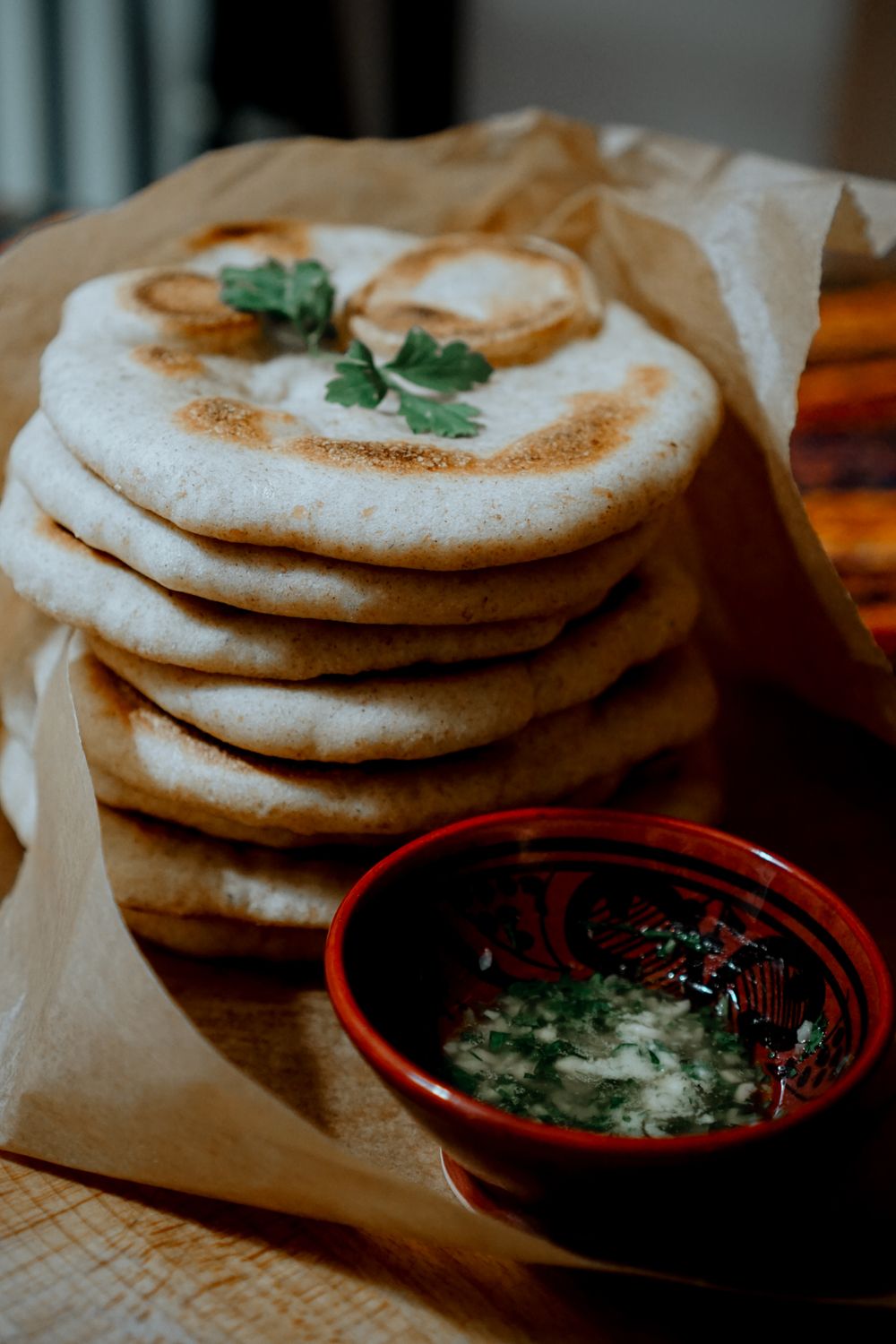
The useful ingredient here is self-rising flour. Paired with plain Greek yogurt, it forms the base of a dough that does not need a yeast-rising stage. Cook It Real Good’s method goes from mixing to shaping and pan-cooking, with only a minute or two of kneading along the way. Its recipe card calls for 20 minutes total, though your pace and how many flatbreads your pan holds will affect the timing.
There is good reason to keep this dough simple. In a November 2026 Allrecipes article about Jamie Oliver’s yogurt flatbreads, food writer Mackenzie Schieck described her results as “soft and pillowy, with enough structure to carry toppings if you choose.” That is her assessment of Oliver’s separate recipe, not a test of this adaptation. Still, it illustrates why this style of bread works for more than scooping the last spoonful of soup.
For six small flatbreads, measure 1 cup plain Greek yogurt, 1½ cups self-rising flour, plus a little extra if needed, and 1 tablespoon olive oil for shaping and cooking. For the topping, use 2 tablespoons melted unsalted butter and 2 minced garlic cloves, matching Cook It Real Good’s garlic-butter quantities. Have finely grated Parmesan ready to sprinkle over the cooked bread to taste. The cheese is the added finishing touch here, so you can control how generously you use it.
Check the yogurt label before you start, because this is not the moment for vanilla. The source recipe recommends plain, full-fat Greek yogurt for texture and flavor. It also calls for self-rising flour, so don’t substitute ordinary all-purpose flour without adding the appropriate leavening. Keeping the listed ingredients on your first attempt is the simplest way to avoid changing several variables before the pan even heats up.
How to Make the Flatbread Without Turning Dinner Into a Baking Project
Start by stirring the yogurt in a mixing bowl, then add 1 cup of the flour. Gradually work in the remaining flour until the mixture forms a ball. Transfer it to a lightly floured surface and knead for a minute or two, just until it holds together and stops sticking excessively. You are bringing the dough together, not signing up for an afternoon of bread-making exercises.
Let the dough’s feel guide small adjustments. Cook It Real Good recommends adding extra flour a tablespoon at a time if the dough is too sticky, rather than dumping in a large amount. If it is dry and crumbly, work in a teaspoon of yogurt or water at a time. These modest corrections help you reach a soft, manageable dough without swinging from gluey to stiff in one enthusiastic pour.
Divide the dough into six equal pieces and roll each into a ball. Lightly oil a clean work surface, then roll the portions into thin rounds approximately the size of a saucer, turning them so both surfaces pick up a little oil. An imperfect circle is fine; an even thickness matters more than winning a geometry contest. If the dough keeps springing back, the source recommends a brief five- to 10-minute rest before trying again.
Heat a skillet over medium heat and cook the flatbreads in batches, leaving enough room to turn them. Cook It Real Good gives about 20 to 30 seconds per side for its thin rounds, but also says to cook them through and until they’re covered in brown spots. Use those visual cues alongside the clock, since thickness and pan heat can change the result. Drummond’s different garlic-flatbread formula, for example, calls for one to two minutes per side.
Mix the melted butter with the minced garlic while the bread cooks, then brush it over each flatbread after removing it from the pan. Finish with Parmesan while the bread is warm, adjusting the amount to your liking. Keeping this adaptation’s garlic topping out of the pan follows Cook It Real Good’s method and its warning that garlic can burn during frying. There is no need to chase a browned cheese crust to enjoy a garlic-and-Parmesan finish.
Related: 20 Everyday Things Some Americans Find Unattractive That Other Cultures See Differently
Serve It as a Snack, a Side or Tomorrow’s Small Victory
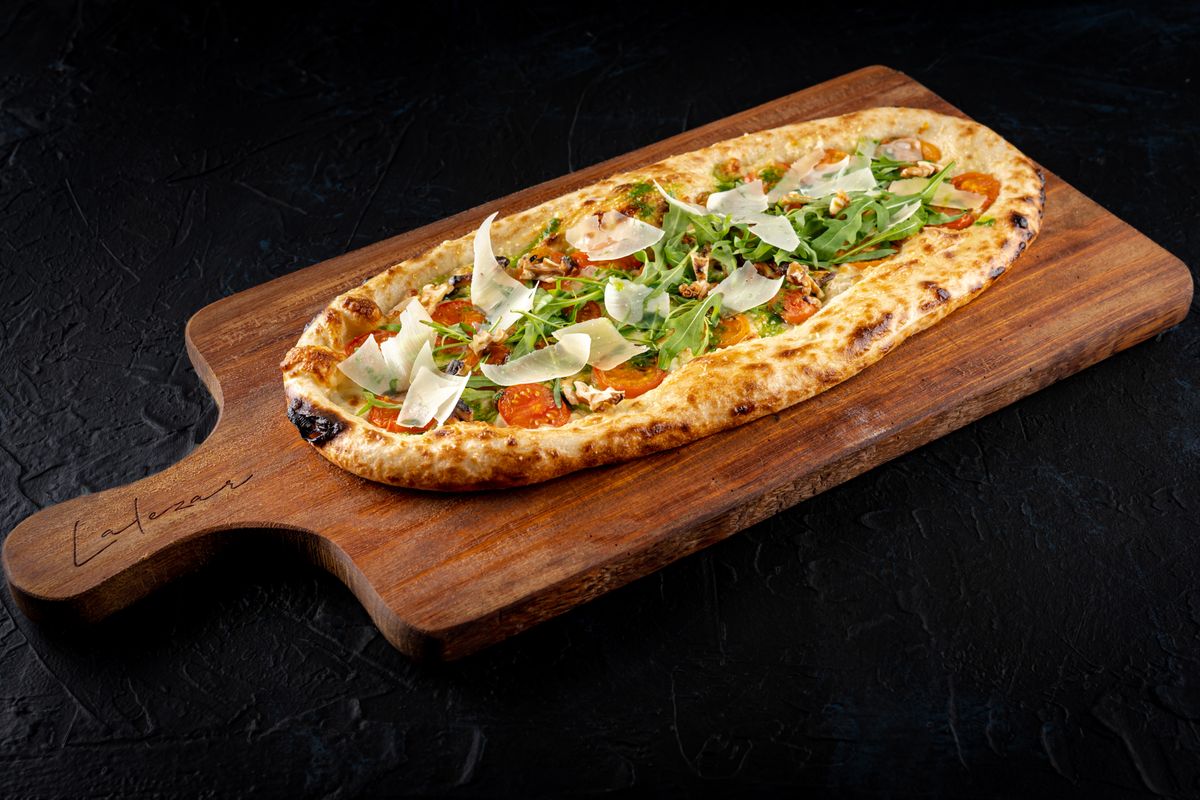
For a snack, cut the finished flatbreads into wedges and serve them with a dip. Cook It Real Good suggests accompaniments such as tzatziki, while Schieck’s Allrecipes article proposes hummus and tapenade for yogurt flatbreads. Those are serving options, not additional steps you must complete. The appeal is being able to put warm bread on the table without building an entire appetizer menu around it.
At dinner, serve it beside soup, stew, or curry, as Cook It Real Good suggests. For a more substantial use, Schieck describes turning her flatbreads into small pizzas, while Food Network notes that Drummond’s version can serve as a pizza base or wrap. For this garlic-Parmesan variation, serving it beside an existing main keeps things especially simple. Dinner gets its supporting actor, even if everyone reaches for that actor first.
You can also plan without committing to a giant baking session. For its base flatbreads, Cook It Real Good recommends cooling them completely, sealing them in an airtight container or freezer bag, and freezing for up to three months. Following that approach with untopped bread lets you add the garlic butter and Parmesan when serving. It is a practical way to keep the homemade part ready for another night, when dinner could use a little extra help.