Why Thank-You Notes Are Disappearing, and Why Boomers Are Upset
A grandmother mails a birthday check to her grandson. She pictures him opening the card and smiling. Then she waits, and no word comes.
Weeks go by with no call, no card, and no acknowledgment at all. She checks her bank statement to see whether the check was even cashed. It was, and she is left feeling hurt and a little foolish.
This scene plays out in families across the country. The handwritten thank-you note, once a basic rule of good manners, is vanishing. For many older Americans, its disappearance is a real source of pain.
A Rule Every Boomer Learned
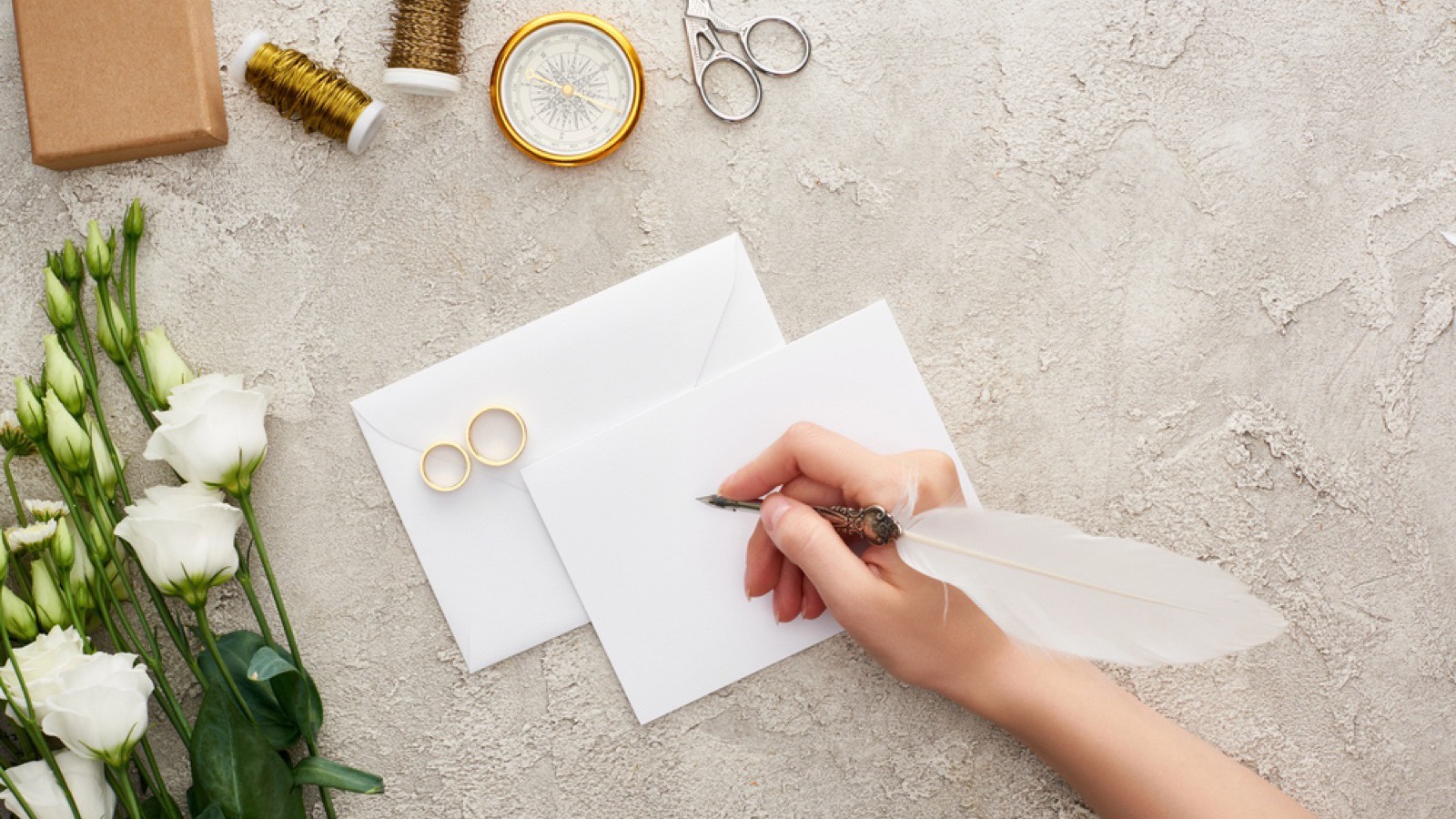
For boomers, thank-you notes were not optional. A child who received a gift was sat down at the kitchen table with a pen and a box of stationery. Nobody went out to play until the notes were written.
There was a formula. You named the gift, said something nice about it, and mentioned how you would use it. You signed it “Love” and addressed the envelope yourself.
Mothers enforced the rule without mercy. Birthday presents, Christmas gifts, and graduation checks all required a note within days. Wedding gifts called for a handwritten note for every single guest.
What the Note Really Meant
The note was never just about the gift. It showed that you had been raised properly. It told the giver that their effort had been noticed and valued.
It also closed the loop. The person who sent a present through the mail knew it had arrived safely. Without a note, they were left to wonder.
For the generation that grew up with it, the thank-you note stood for gratitude itself. A missing note suggested an ungrateful heart. That is why its absence still stings so sharply.
Why the Habit Is Fading
The simplest reason is technology. Communication has moved from paper to screens. A text message that says “Thanks!” takes five seconds, while a note takes a card, a stamp, and a trip to the mailbox.
Many young adults rarely mail anything. They pay bills online and send invitations by email. Some do not keep stamps in the house and would have to look up how to address an envelope.
Handwriting itself has declined. Many schools reduced or dropped cursive instruction for years, and young people often find writing by hand slow and awkward. A handwritten note feels like a chore from another era.
Parents Stopped Insisting
Another reason is that many parents no longer enforce the rule. Families are busy, and the battle over thank-you notes can seem not worth fighting. A quick phone call or video chat feels like enough.
Some parents see the formal note as old-fashioned. They want their children to be grateful, but they do not think a card is the only way to show it. They may have disliked writing notes themselves as children.
The result is a generation that was never taught the habit. A young adult who was not made to write notes at age eight is unlikely to start at 25. They may not even realize that anyone expects one.
Different Ideas About Gratitude
Younger people often say they are just as thankful as anyone else. They simply express it differently. A heartfelt text, a photo of the gift in use, or a phone call feels more natural to them.
From their point of view, the message is what counts, not the paper. They may see an instant thank-you as more sincere than a formal note written out of obligation. Speed, to them, shows enthusiasm.
Older adults see it another way. To them, the effort is the point. Anyone can type two words, but sitting down to write shows real appreciation.
Why Boomers Take It Personally
For many grandparents, a gift is an act of love. They put thought into choosing it, and money into buying it, often on a fixed income. Silence in return feels like rejection.

There is also a sense of loss. Boomers worked hard to teach manners to their own children. Seeing those standards fade can feel as though something they valued is being discarded.
Loneliness makes it worse. An older person who lives alone may look forward to mail all week. A card from a grandchild would be read many times and propped on the mantel.
The Etiquette Has Not Changed
Experts on manners still recommend the handwritten note. They say it remains the best way to thank someone for a gift, especially a wedding or graduation present. It is also expected after a job interview or a stay in someone’s home.
Most agree that any thanks is better than none. A prompt text or call is perfectly acceptable for small, casual gifts. For significant ones, though, a note is still the standard.
Good manners continue to matter in many settings. There are things wedding guests should never do, and couples have duties in return, including thanking each guest. The thank-you note sits high on the list of old-school etiquette rules that have been fading.
The Benefits of Writing One
Gratitude is good for the person who expresses it. Psychologists have found that people who regularly practice thankfulness tend to feel happier and more satisfied. Writing a note makes you stop and think about another person’s kindness.
Research also suggests that people underestimate how much a note will mean. Writers worry about sounding awkward, but recipients are usually touched. A few sincere lines can brighten someone’s whole week.
A note lasts, too. Texts are deleted and calls are forgotten. People who keep old letters and keepsakes know that a handwritten card can be treasured for decades.
How Grandparents Can Respond
It is tempting to stop sending gifts altogether. Some grandparents do exactly that after years of silence. But there may be gentler ways to handle it.
One approach is simply to say what you would like. A grandchild may have no idea that a note or call matters so much. Telling them, kindly and without blame, often solves the problem.
It also helps to accept thanks in the form it is offered. A cheerful text or a photo may be the modern version of a note. There are things grandparents who make the biggest difference do, and meeting grandchildren where they are is among them.
How Parents Can Teach It
Parents who want their children to write notes should start young. A preschooler can draw a picture, and an older child can write two or three sentences. Keeping cards, stamps, and addresses in one place makes it easier.

Making it a routine helps. Some families write notes together the day after a birthday or holiday. Explaining why it matters works better than simply ordering it done.
The U.S. Postal Service still delivers to every address in the country, and a stamp remains among the cheapest ways to make someone happy. Stationery and stamps can be ordered online from USPS. A child who learns the habit will carry it for life.
A Small Act With a Long Reach
The thank-you note may never return to what it was. Customs change, and each generation finds its own ways to be polite. Not every tradition survives.
Still, this one seems worth saving. It costs little, takes a few minutes, and brings real joy. Those who automatically say please and thank you tend to be the people others most enjoy being around.
Do you still write thank-you notes, and do your grandchildren send them? And if they do not, does it bother you as much as it bothers so many others?