9 Presidents America Got Without Actually Voting Them Into Power
America loves to talk about elections as if they were the final word on leadership. The speeches, rallies, campaign slogans, debates, handshakes, and voting lines all point toward one powerful idea: the people choose the president. Yet history keeps one uncomfortable little secret in plain sight. Several men reached the Oval Office without first winning a presidential election for the term they served.
That does not mean they grabbed power illegally or slipped in through some hidden back door. The Constitution has rules for crisis, death, resignation, and succession. Still, there is something fascinating about a president who takes office because history suddenly breaks the normal script. Some later won elections on their own. Others never did. These nine presidents prove that the road to the White House has not always run through a victory speech.
John Tyler Turned a Crisis Into a Precedent
John Tyler became president in 1841 after William Henry Harrison died only weeks into his term. The country had never faced that exact problem before, so Tyler’s rise created a huge constitutional question. Was he really president, or just acting president? Tyler refused to act like a placeholder. He took the oath, moved forward with full authority, and forced Washington to accept the idea that the vice president fully becomes president when the president dies.
His opponents hated it. Critics mocked him as “His Accidency,” a label meant to make his presidency seem like a clerical error instead of a constitutional reality. Tyler returned letters that addressed him as acting president, making it clear he would not accept a smaller title. He never won a presidential election himself, but his stubbornness shaped every subsequent succession fight. In a strange way, his critics helped make his point louder.
Millard Fillmore Inherited a Country Already Cracking
Millard Fillmore stepped into the presidency in 1850 after Zachary Taylor died. He did not campaign for the presidency or win a national mandate for the top job. He simply inherited a nation already sliding toward sectional conflict, where slavery, territory, and political survival were tearing Washington apart. Fillmore’s presidency became tied to the Compromise of 1850, one of those deals that tried to calm the country but ultimately exposed how deep the fracture had become.
Fillmore wanted to continue in national politics, but his party did not rally behind him with lasting force. He failed to win the Whig nomination in 1852, and his subsequent attempts at a political comeback never restored him to the White House. His story feels less like a grand climb and more like a man being pushed onto a burning stage. He received the office, but he never received the public election that usually gives a president a stronger claim.
Andrew Johnson Took Over After the Nation’s Worst Political Trauma
Andrew Johnson became president in 1865 after Abraham Lincoln was assassinated. Few transitions in American history have carried that much grief, fear, and rage. The Civil War had just ended, Lincoln was dead, and the country suddenly had a new president who had not been elected to that office. Johnson inherited Reconstruction, the enormous question of how the defeated South would be brought back into the Union.
His presidency quickly became one of the most combative in American history. Johnson clashed with Congress, fought Radical Republicans, and became the first U.S. president to be impeached. He survived removal by one Senate vote, but his political standing was badly damaged. Johnson later tried to remain politically relevant, but he never won a presidential election. His rise shows how succession can place massive power in the hands of someone the country never directly chose for that role.
Chester A. Arthur Was Suddenly More Than a Party Machine Man
Chester A. Arthur entered the White House in 1881 after James A. Garfield died from wounds caused by an assassin. Before that, Arthur was widely seen as a product of New York machine politics. Many Americans expected very little from him. Then the presidency landed in his lap, and the man many dismissed as a political insider had to govern during a moment of national shock.
Arthur surprised many critics by supporting civil service reform, including the Pendleton Civil Service Act. That did not turn him into a universally beloved leader, but it gave his presidency more substance than many expected. Still, he never won the presidency in his own right. Poor health and weak party support kept him from mounting a serious campaign for a full term in office. His presidency remains one of history’s odd reminders that accidental leaders can still leave deliberate marks.
Theodore Roosevelt Entered Through Tragedy, Then Made the Office Bigger
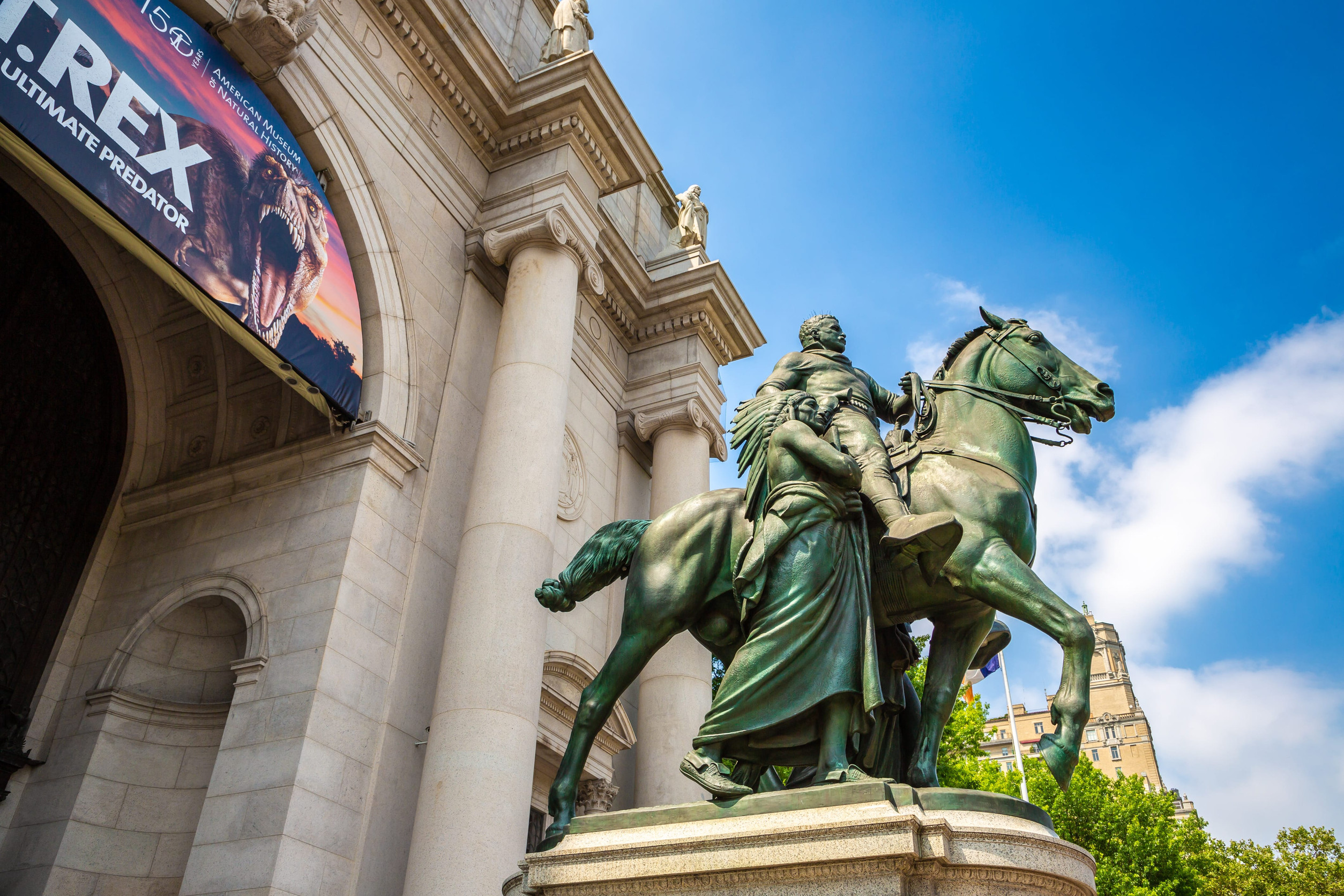
Theodore Roosevelt became president in 1901 after William McKinley was assassinated. At 42, Roosevelt was the youngest person ever to become president. Party bosses had tried to move him into the vice presidency partly to contain his energy. Instead, McKinley’s death placed that restless energy directly inside the Oval Office.
Roosevelt did something different from the earlier accidental presidents. He used the inherited office as a launching pad and then won the 1904 election decisively. His first arrival in power was unelected, but his later victory gave him the public mandate others lacked. Roosevelt expanded the public image of the presidency, pushed progressive reforms, challenged corporate power, and turned the office into a louder national platform. He proved that an accidental president could become an elected force.
Calvin Coolidge Rose Quietly After a Sudden Death
Calvin Coolidge became president in 1923 after Warren G. Harding died while traveling in the West. The moment was famously quiet and strange. Coolidge was at his family home in Vermont when the news arrived, and his father, a local notary, administered the oath by lamplight. It was not the usual grand ceremony Americans imagine when they picture presidential power. It was simple, rural, and almost cinematic.
Coolidge later won the 1924 election, so his presidency did not remain purely unelected. Still, his first step into the office came through succession, not a presidential campaign victory. His calm style helped separate him from the scandals that shadowed Harding’s administration. To supporters, he represented stability. To critics, he represented a government that stayed too quiet. Either way, his road to power started with a death, not a campaign.
Harry Truman Got the Job Before He Knew the Full Weight of It
Harry Truman became president in 1945 after Franklin D. Roosevelt died just months into his fourth term. Truman had been vice president for only a short time, and he was suddenly responsible for leading the country through the final stages of World War II. He also learned about major wartime secrets, including the atomic bomb project, only after taking office. Few presidents have entered power with more pressure arriving faster.
Truman later won the 1948 election in one of the most famous political upsets in American history. His first claim to the presidency, however, came through succession. He made decisions that shaped the postwar world, including the use of atomic weapons, the Truman Doctrine, and the early Cold War direction of U.S. policy. His story shows how an unelected start can turn into one of the most consequential presidencies America has ever had.
Lyndon B. Johnson Took Office in a Moment America Could Not Forget
Lyndon B. Johnson became president on November 22, 1963, after John F. Kennedy was assassinated in Dallas. The image of Johnson taking the oath aboard Air Force One remains one of the most haunting scenes in modern American history. Jacqueline Kennedy stood nearby in the clothes she had worn during the assassination, and the country watched a transfer of power wrapped in trauma.
Johnson later won the 1964 election by a landslide, but his first day as president came from tragedy. He used his knowledge of Congress to push through major domestic laws, including landmark civil rights and Great Society programs. Yet Vietnam later consumed his presidency and damaged his public standing. Johnson’s story is not a simple victory or failure. It is a reminder that a president can inherit grief, gain a mandate, and still be swallowed by the consequences of power.
Gerald Ford Became the Ultimate Unelected President
Gerald Ford stands alone in this group because he was not elected as president or vice president. He became vice president after Spiro Agnew resigned, then became president after Richard Nixon resigned during the Watergate crisis. No other American president reached both offices that way. His rise was constitutional, but it was also politically surreal.
Ford entered office promising honesty and calm after one of the darkest political scandals in U.S. history. Then he pardoned Nixon, a decision that many Americans saw as a betrayal of accountability. Ford argued that the country needed to move forward, but the pardon deeply damaged him. He lost the 1976 election to Jimmy Carter, meaning he never won the presidency by popular vote. If any president defines the phrase “unelected president,” it is Ford.