12 Heart Warning Signs Too Many People Brush Off Until It Gets Serious
Heart trouble does not always arrive with a dramatic chest-clutching moment in the middle of the room. Sometimes it shows up as strange fatigue, a breathless walk to the mailbox, swollen ankles, a flutter in the chest, or a burning feeling people blame on dinner. That is what makes heart warning signs so easy to miss. The body can send quiet alerts long before it sends a loud one.
We should never panic over every ache, skipped beat, or tired morning. Still, we should know when a symptom warrants attention, especially when it is new, keeps recurring, worsens with activity, or occurs with sweating, nausea, dizziness, chest pressure, fainting, or shortness of breath. These are the signs worth taking seriously.
Shortness of Breath During Normal Tasks

Getting winded after a hard workout is normal. Struggling to breathe after walking across the room, taking out the trash, climbing a few stairs, or carrying light groceries is different. The heart and lungs work closely together, so a strained heart can make breathing feel harder than it should.
This warning sign matters even when there is no chest pain. Breathlessness can show up with a heart attack, heart failure, rhythm problems, valve disease, or fluid buildup. We should take it seriously when it is new, worsening, or paired with swelling, coughing, fatigue, dizziness, or chest discomfort.
Needing Extra Pillows to Breathe at Night
If lying flat makes breathing uncomfortable, the heart may be part of the problem. Some people start sleeping propped up without realizing they have changed their routine. Others wake up gasping, sit on the edge of the bed, and only feel better once they are upright.
This can happen when fluid shifts toward the lungs during sleep, especially in heart failure. We should not dismiss it as bad sleep, aging, anxiety, or a stuffy room when it keeps happening. Nighttime breathlessness warrants medical attention, especially when accompanied by swollen ankles, rapid weight gain, fatigue, or a persistent cough.
Cold Sweat That Comes Out of Nowhere
A sudden cold sweat can be more than nerves. During a serious heart event, the body may release stress hormones, leaving the skin clammy, cool, pale, or unusually damp. This can happen even when the person is sitting still, and the room is not hot.
Cold sweat is a major red flag when accompanied by chest pressure, nausea, dizziness, shortness of breath, upper-body pain, or sudden weakness. We should not try to explain it away as stress if the body feels physically wrong. That combination deserves emergency care.
Nausea or Indigestion That Feels Different
Heart symptoms can hide behind stomach complaints. Some people feel nausea, vomiting, burning, fullness, upper belly pressure, or what seems like stubborn indigestion. This can be especially misleading after a meal, when food becomes the easy suspect.
The difference often lies in the pattern. If the discomfort appears with exertion, sweating, chest pressure, breathlessness, fatigue, jaw pain, or arm pain, we should think beyond the stomach. A heart warning sign can masquerade as heartburn, and that is exactly why people sometimes wait too long.
Unusual Fatigue That Feels Too Heavy for the Day
Everyone gets tired, but heart-related fatigue can feel strange and disproportionate. A simple shower, a short walk, a small chore, or a normal workday may suddenly feel like too much. The tiredness can feel heavy, deep, and difficult to shake.
This sign is easy to overlook because people blame stress, poor sleep, age, or a busy schedule. We should pay closer attention when fatigue appears suddenly, worsens over time, or is accompanied by shortness of breath, swelling, chest discomfort, dizziness, or a racing heartbeat. The heart may be struggling to keep up with the body’s demand.
A Racing, Fluttering, or Skipping Heartbeat
A heartbeat can race after coffee, stress, exercise, or excitement. That is not always a problem. But a heartbeat that suddenly races at rest, flutters repeatedly, skips often, pounds hard, or feels irregular should not be ignored, especially if it feels new.
Palpitations can come from many causes, including dehydration, anxiety, medications, thyroid issues, stimulants, or rhythm problems. The concern rises when they appear with chest pain, faintness, breathlessness, confusion, or weakness. A rhythm that feels out of control deserves a medical check.
Swollen Ankles, Feet, Legs, or Belly
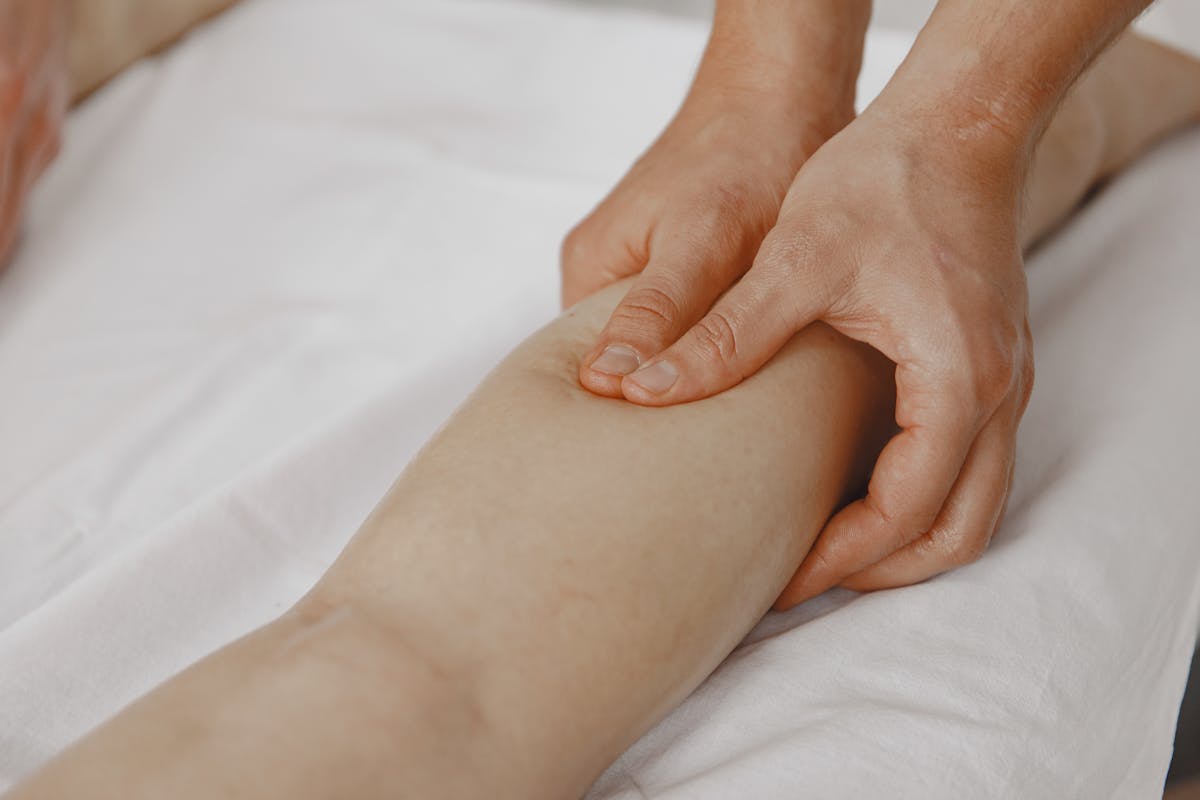
Swelling can occur after travel, with salty foods, during pregnancy, with certain medications, with vein problems, or with kidney issues. Still, swelling in both ankles, feet, legs, or the belly can also suggest that the heart is not moving blood as efficiently as it should. Fluid may start collecting where gravity pulls it.
We should notice clues like tight shoes, deep sock marks, evening swelling, sudden bloating, or weight gain over a few days. Swelling becomes more concerning when it appears with shortness of breath, fatigue, coughing, rapid heartbeat, or trouble breathing while lying down.
Dizziness, Lightheadedness, or Fainting
The brain depends on steady blood flow. If the heart beats too fast, too slowly, irregularly, or cannot pump strongly enough, dizziness can appear. Some people feel as if the room is moving, their knees are soft, or they are about to pass out.
Fainting should never be brushed off when it happens suddenly, during exercise, after palpitations, or with chest discomfort. Even if the person wakes up quickly, the episode still matters. We should seek care after unexplained fainting because some heart rhythm problems can appear without much warning.
Chest Pressure That Feels Heavy Instead of Sharp
Many people expect heart pain to feel like a knife in the chest, but it often feels more like pressure, squeezing, tightness, burning, heaviness, or fullness. It may sit in the center of the chest for several minutes, fade, then come back again. That stop-and-start pattern can trick people into thinking the danger has passed.
We should pay attention when chest discomfort appears during walking, climbing stairs, emotional stress, or physical effort. If it comes with cold sweat, nausea, shortness of breath, dizziness, or pain spreading to the arm, jaw, back, neck, or shoulder, it should be treated as an emergency rather than a wait-and-see moment.
Pain That Travels to the Jaw, Arm, Back, or Shoulder
Heart-related pain does not always stay where people expect it. It can travel into one or both arms, the shoulder, the upper back, the neck, the jaw, or even the upper stomach. That happens because the heart and nearby body areas share nerve pathways that can confuse pain signals.
This is why jaw pain is not always dental, shoulder pain is not always from sleeping badly, and arm pain is not always a pulled muscle. When this pain appears with chest pressure, breathlessness, sweating, nausea, or unusual weakness, we should take the combination seriously and seek urgent help.
Symptoms That Keep Coming Back
One mild symptom may be easy to explain. A pattern is harder to ignore. Chest tightness, breathlessness, swelling, fatigue, palpitations, dizziness, indigestion-like discomfort, or leg pain that keeps returning deserve attention because the body may be repeating the same warning.
We should track when symptoms happen, how long they last, what triggers them, and what makes them better. That record can help a clinician spot the pattern faster. The heart often tells its story through repetition before it forces a crisis.
Leg Pain When Walking That Stops With Rest

Heart health is not only about the chest. Pain, cramping, heaviness, or aching in the calves, thighs, hips, or buttocks during walking can point to poor circulation in the legs. The discomfort may ease after rest, then return when activity starts again.
This pattern can be a sign of peripheral artery disease, which happens when narrowed arteries reduce blood flow to the limbs. We should not dismiss it as ordinary aging or being out of shape, especially if one foot feels colder, wounds heal slowly, or walking distance keeps shrinking.
Conclusion
Heart warning signs are easy to miss because many of them look ordinary at first. They can resemble stress, poor sleep, heartburn, aging, anxiety, or a busy week catching up with the body. That is why we need to pay attention to new, worsening, repeated, or activity-related symptoms.
The safest rule is simple. If symptoms suggest a heart attack, call emergency services. If symptoms keep returning or quietly reduce what we can do, book a medical evaluation. Listening early is not fear. It is self-protection.