Strait of Hormuz Deal Could Leave Americans Paying the Price for Iran’s New Grip on Global Oil
The proposed Strait of Hormuz deal may provide temporary relief, but Iranian control, future fees, naval mines and a fragile ceasefire create serious risks for Americans. The proposed Strait of Hormuz deal is being presented as a possible escape from months of war, disrupted energy shipments and economic uncertainty.
For Americans watching gasoline prices, grocery bills, and household expenses, any reopening may sound like welcome news. The fine print tells a darker story. This is not a permanent peace agreement. It does not resolve Iran’s nuclear program, eliminate the threat to commercial ships or restore the shipping system that existed before the war.
Instead, the proposal could give Iran operational control over vessels entering the Persian Gulf, while leaving Tehran in a powerful position to demand fees later. In plain terms, the United States may be moving closer to a temporary pause by accepting an arrangement that strengthens Iran’s hand over one of the world’s most important energy routes.
The Strait May Reopen, but the Bargain Has Teeth
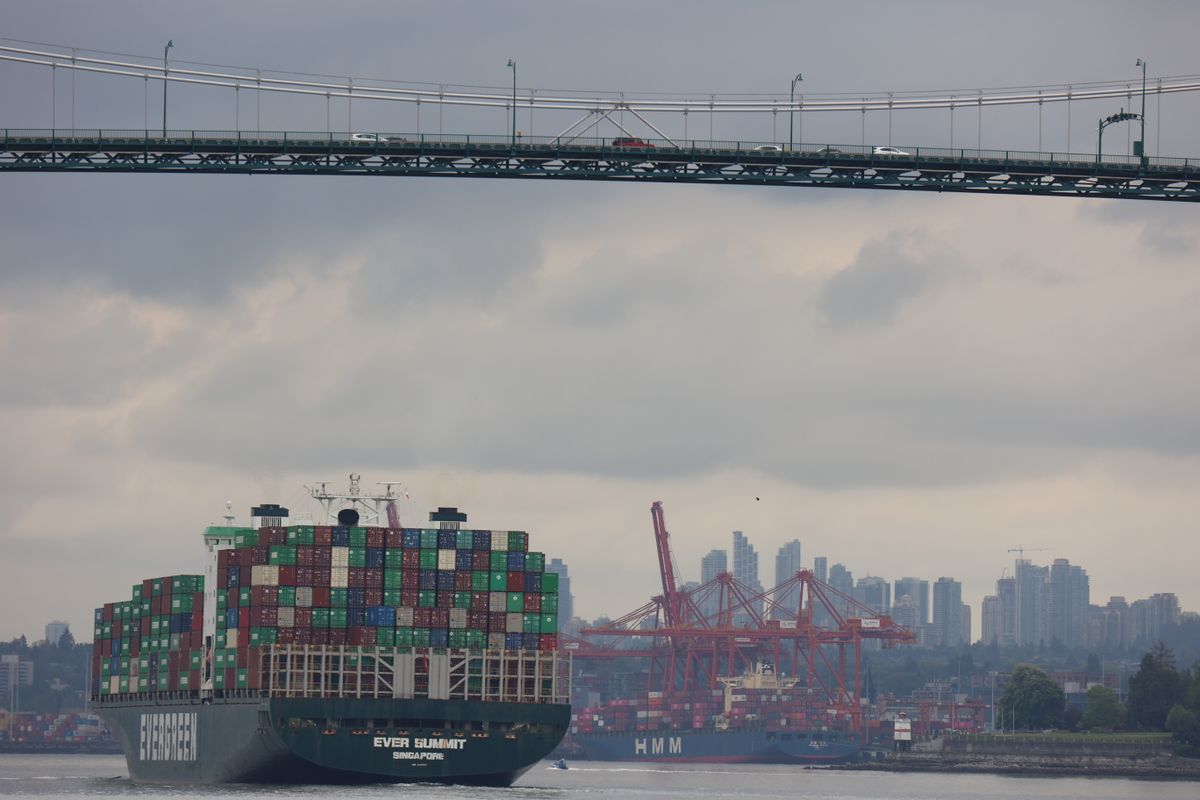
Iran and Oman have agreed on the geographic coordinates of proposed shipping routes through the Strait of Hormuz. Iranian Foreign Ministry spokesperson Esmaeil Baghaei said the negotiations were moving forward and that a joint statement was being drafted. That sounds encouraging until we examine what has not been settled.
Regional officials told Reuters that important details remain unresolved. Baghaei also acknowledged that an agreement between Iran and Oman would not, by itself, guarantee security in the waterway. President Donald Trump has offered a far more optimistic account.
He said the negotiations were “moving along nicely” and predicted that Hormuz would reopen “very soon.” Iranian officials, however, have denied that direct peace negotiations with Washington are underway, insisting that the current talks concern Iran and Oman.
That contradiction should concern anyone expecting a durable agreement. If the parties cannot publicly agree on who is negotiating, it becomes difficult to trust their competing descriptions of what has actually been decided. What appears close is not a peace treaty. It is a temporary traffic arrangement surrounded by military threats, disputed authority and opposing interpretations.
Iran Could Become the Gulf’s New Gatekeeper
Under the proposed 60-day arrangement, all vessels entering the Persian Gulf would travel through a northern corridor in Iranian waters. Outbound vessels would use a southern route managed by Oman, although Oman would coordinate those movements with Iran. The routes may look balanced on a diagram. They are not necessarily equal in practice.
Control over incoming traffic would give Iran influence over ships delivering supplies or collecting cargo from Saudi Arabia, the United Arab Emirates, Kuwait, Iraq, Bahrain and Qatar. Tehran has also requested visibility over outbound vessels and the ability to intervene when it considers action necessary.
Regional governments want inspections to be supervised collectively. They do not want Iran deciding by itself which vessels can enter, what cargoes may be inspected or how long a ship can be delayed. Those safeguards have not been publicly finalized.
A shipping corridor can become a pressure point without being formally closed. Authorities can request documents, question cargoes, delay clearances or impose changing security requirements.
Even short disruptions can affect shipping schedules and costs when hundreds of millions of dollars in cargo are involved. Before the war, Iran did not possess this level of recognized operational control over international traffic. The emerging agreement could change that reality.
For Washington, this is the most uncomfortable part of the bargain. The United States entered the conflict demanding that Iran surrender its grip on the strait. The proposed settlement could instead recognize Tehran as the authority managing ships entering the Gulf.
Sixty Toll-Free Days May Only Delay the Bill
Reports indicate that no tolls would be charged during the initial 60-day period. That provides temporary relief, but it does not resolve Iran’s long-term demands. Iran has reportedly sought payments equal to between 5% and 7% of the value of cargo passing through Hormuz. Oman has discussed a lower figure of approximately 3%, while supporting voluntary payments.
Washington insists that passage must remain free. The size of Iran’s reported demand is striking. A fee based on cargo value would not resemble an ordinary charge for navigation services. It could become a substantial levy on oil, LNG and other goods crossing the strait.
That cost would not remain in the Middle East. Shipping companies, energy traders, refiners and manufacturers would attempt to pass additional expenses through the supply chain. American consumers could ultimately encounter them through fuel prices, transportation costs and more expensive goods.
The International Maritime Organization has said passage through the strait should remain unimpeded and free from tolls or charges. It has also stressed that traffic rules imposed by coastal governments must follow international maritime regulations. Labeling payments “voluntary” may not offer much protection.
A shipowner could technically refuse to pay but still fear additional inspections, delayed clearance, or increased exposure to security threats. A voluntary charge backed by implied consequences can quickly become a practical requirement. The 60-day proposal therefore postpones the most dangerous financial question. It does not answer it.
Naval Mines Make the Agreement Look Better on Paper Than at Sea
Diplomats can approve coordinates in a conference room. Tanker crews still have to sail through the water. The traditional Traffic Separation Scheme through Hormuz was proposed by Iran and Oman and adopted internationally in 1968. It separates opposing traffic flows to reduce collisions in the narrow waterway.
That recognized route is currently considered unsafe because of reported naval mines. The IMO advises vessels not to use it under present conditions. Instead, ships must follow temporary northern or southern corridors coordinated by Iran and Oman. The proposed agreement calls for mines to be removed from the central route within 30 days, according to Axios.
Thirty days is an ambitious timeline in an active conflict zone. Mine-clearing crews need reliable intelligence, specialized equipment and protection from attack. A single unexploded mine can threaten crews, close a route and send insurers and commercial operators rushing for the exits.
Mines are not the only danger. Ships in and around Hormuz have faced missiles, drones, projectiles and the possibility of seizure. A cargo vessel was recently struck near the strait, forcing its crew to abandon ship, while one seafarer was reported missing.
The danger has already taken a human toll. The IMO says around 20,000 seafarers, port workers and offshore personnel have been affected by the crisis. Its evacuation operation is paused, leaving thousands of workers exposed to a conflict they did not create. A signed statement will not neutralize those threats. Only verified mine clearance, reliable security guarantees and repeated safe voyages can do that.
Eight Ships a Day Is Not a Reopened Strait
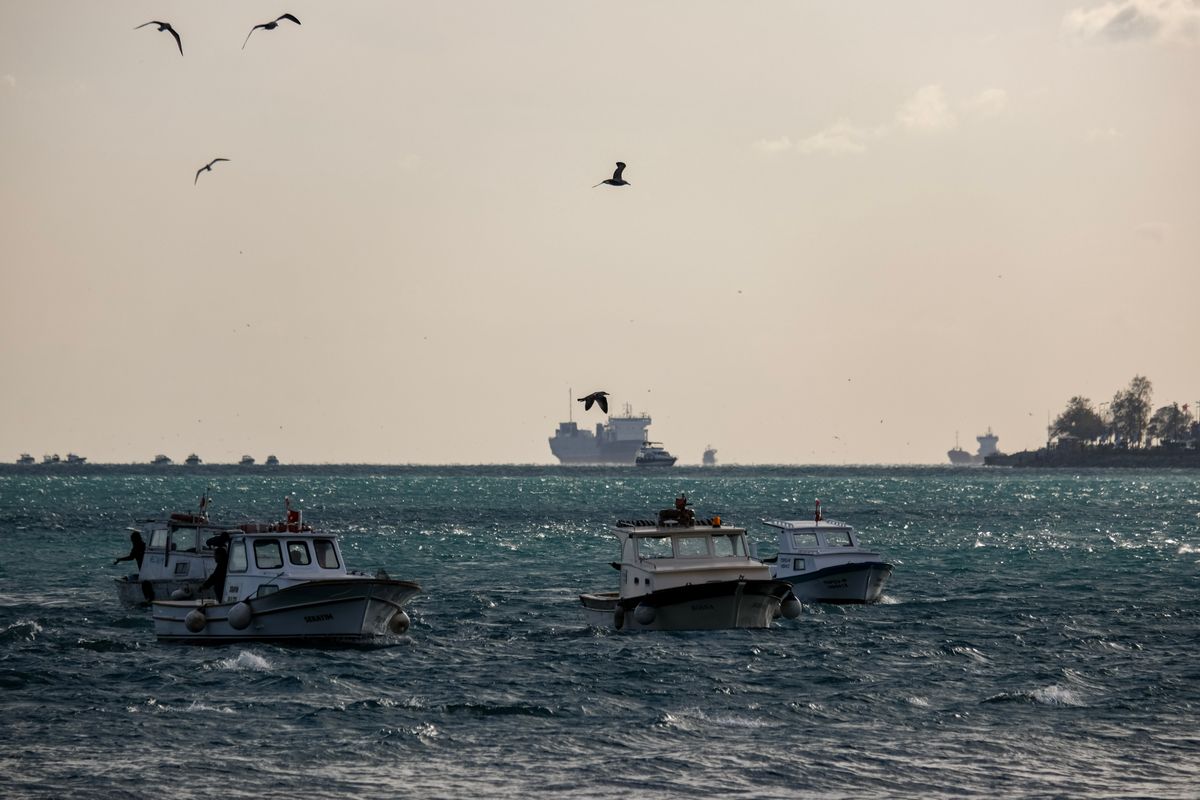
The clearest warning comes from the traffic numbers. Only eight vessels crossed the Strait of Hormuz on Tuesday, according to Kpler tracking data cited by Reuters. Five were tankers, and three were bulk carriers. Before the war began on February 28, roughly 130 to 140 vessels traveled through the strait each day. Recorded traffic is therefore running at only a small fraction of its earlier level.
Some ships may travel with their tracking systems switched off, so publicly available data cannot capture every movement. Even with that limitation, the difference between eight ships and more than 130 is too large to dismiss.
Shipowners are not waiting for optimistic speeches. They need dependable navigation instructions, insurance coverage, security assurances and evidence that ships can enter and leave without being attacked or detained.
The June agreement provides a warning. It partially restored movement through the strait, but renewed attacks and accusations triggered another round of fighting. A route that opens for several days and then closes after the next military exchange offers little stability to energy markets. The current deal risks repeating that cycle: diplomatic celebration, limited traffic, another incident and a return to crisis.
Why Americans Cannot Treat This as a Distant Conflict
The Strait of Hormuz may be thousands of miles from the United States, but its economic consequences do not remain overseas. Before the war, approximately one-fifth of global oil and liquefied natural gas trade traveled through the waterway. Even when the United States produces much of its own energy, American fuel prices still respond to global oil markets.
When major Gulf supplies become difficult to move, traders price that risk into crude oil. Refiners then pay more for feedstock. Transportation companies face higher diesel and aviation-fuel costs. Those expenses can spread into airfares, deliveries, agricultural production and consumer goods.
LNG markets have also suffered. Qatar depends on Hormuz to export gas, and the U.S. Energy Information Administration estimates that the closure has cut off approximately 20% of worldwide LNG supplies. Asian and European buyers have consequently competed for replacement shipments.
That competition can create opportunities for American LNG exporters, but it also exposes U.S. consumers and industries to a tighter international market. Energy companies sell into markets where prices are attractive, and global disruptions rarely stay neatly separated from domestic costs. The proposed agreement may lower energy prices if ships return in meaningful numbers. But Americans should not mistake a temporary market rally for permanent stability.
Oil Prices Are Falling on Hope, Not Restored Supply
Oil traders have already reacted to reports of progress. Crude prices fell by roughly 5% on Tuesday as investors anticipated a possible reopening. By late Wednesday morning in New York, Brent crude traded near $79.34 per barrel, while West Texas Intermediate stood near $75.42, according to Reuters.
Those prices reflect expectations. They do not prove that normal Gulf exports have resumed. If negotiations collapse, Iran imposes unacceptable conditions or another commercial ship comes under attack, the market can reverse quickly. The same traders selling oil on hopes of peace can buy it back when the next security warning appears.
There are also threats outside Hormuz. Houthi forces have targeted shipping connected to Saudi Arabia in the Red Sea. Attacks around Black Sea ports and interruptions affecting the Caspian Pipeline Consortium have placed other energy and trade routes under pressure. Reopening Hormuz would remove one major source of uncertainty. It would not repair a global shipping system increasingly exposed to regional wars and politically motivated attacks.
The Nuclear Problem Has Been Left Outside the Agreement
Perhaps the most serious weakness is what the proposed deal does not address. The arrangement does not resolve the dispute over Iran’s nuclear program. It does not create a final peace settlement or eliminate the possibility of renewed U.S., Israeli, or Iranian strikes. The plan is intended to support another ceasefire and provide time for broader diplomacy. That makes it a pause rather than an ending.
If nuclear negotiations fail, military pressure could return. If new sanctions are imposed, Iran could use its position in Hormuz as leverage. If Israel attacks Iranian facilities, Tehran could again restrict commercial shipping. This creates an unstable connection between global energy supplies and every future dispute involving Iran.
The world may regain access to Hormuz without gaining any confidence that the route will stay open. A maritime agreement built on unresolved military hostility is only as strong as the next confrontation.
Washington May Be Accepting the Outcome It Tried to Prevent
The emerging deal raises an uncomfortable strategic question for the United States. Washington has repeatedly insisted that Iran must not control international access through Hormuz. Yet the proposed agreement could place inbound traffic under Iranian authority and require Oman to coordinate outbound movements with Tehran.
That would represent a significant change from the prewar system. Iran could emerge from the conflict with more recognized influence over the strait, not less. The arrangement may be necessary to stop attacks and restore trade. Necessity, however, does not make the terms favorable.
The United States could secure a temporary reopening while normalizing Iranian involvement in decisions affecting Gulf commerce. Tehran would gain a mechanism for exerting pressure without needing to close the entire waterway.
That is not the clear strategic victory Americans were initially promised. It looks more like a costly compromise shaped by the failure of months of military pressure to produce unrestricted navigation.
A Temporary Reopening Could Hide a Permanent Loss
Americans may receive short-term relief if the Strait of Hormuz reopens. Oil prices could fall, fuel markets could stabilize, and some inflationary pressure could ease. The relief may come with a dangerous price. Iran could gain recognized control over incoming Gulf traffic. Future fees remain under discussion.
Naval mines still threaten the established shipping route. The nuclear dispute remains unresolved, and the parties cannot even agree publicly on the nature of the negotiations. The most troubling possibility is not simply that the deal fails. It is that the deal succeeds on terms that make Iranian gatekeeping a normal feature of global energy trade.
A real victory would restore safe, toll-free and nondiscriminatory passage for commercial vessels. Anything less leaves American consumers exposed to the next demand, the next shipping incident and the next spike at the gas pump.
Until tankers move safely through Hormuz in numbers approaching normal traffic, this agreement should be treated for what it is: a fragile timeout in a conflict that has already given Iran more leverage than Washington ever intended.