10 Reasons Americans Secretly Hate McDonald’s
McDonald’s is one of those places Americans love to criticize after they have already eaten the fries. It sits in a strange corner of American life, part comfort food, part road-trip ritual, part late-night bad decision, and part national punching bag. People may still pull into the drive-thru, but many do it with a sigh, a complaint, or a tiny betrayal of their own better judgment.
That is the real tension behind America’s complicated relationship with the Golden Arches. McDonald’s is convenient, familiar, and almost impossible to avoid, yet many customers feel the experience has become less fun, less affordable, and less satisfying than it used to be.
Here are the reasons many Americans quietly resent McDonald’s, even when they keep going back.
The Prices No Longer Feel Like A Bargain
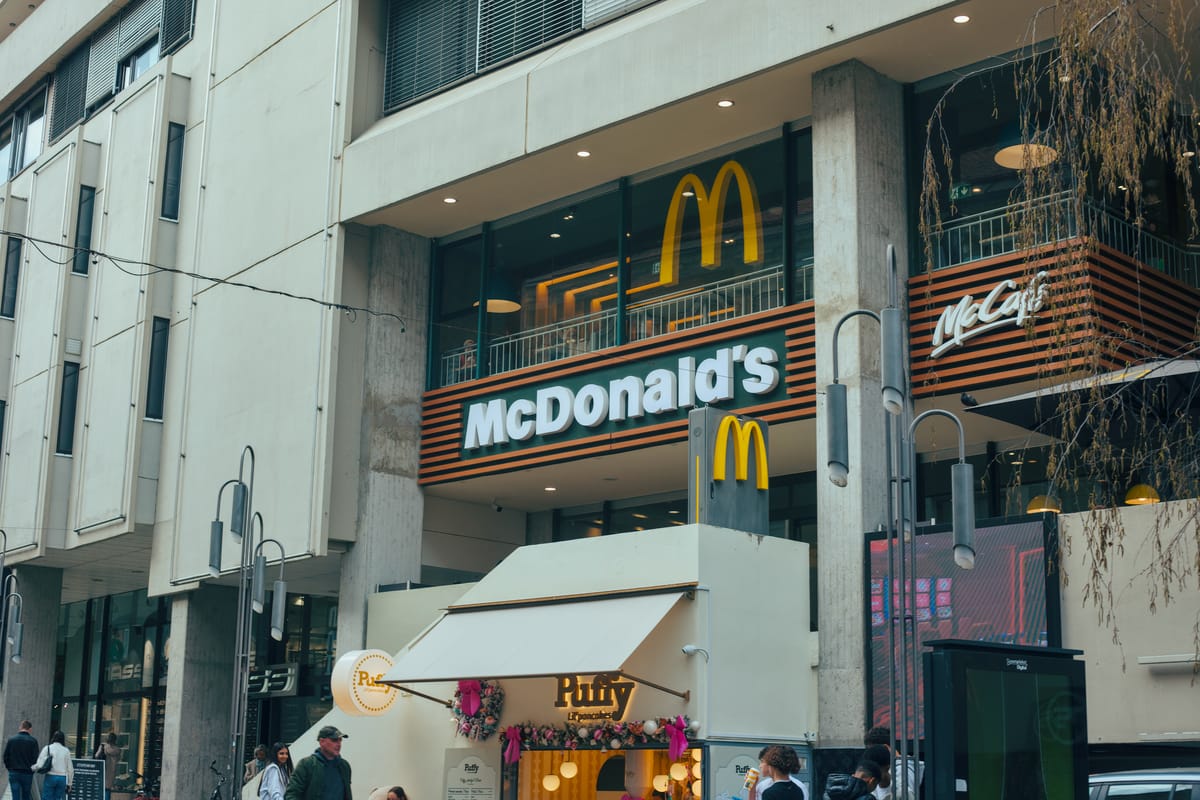
McDonald’s used to feel like the place where a few dollars could solve hunger fast. That old image has taken a beating as customers open the menu board and wonder when a basic meal started feeling like a small restaurant bill. The frustration is not just about money; it is about broken expectations.
Americans do not go to McDonald’s expecting luxury. They go expecting speed, simplicity, and a price that feels painless. When that bargain feeling disappears, people start judging the food more harshly, and suddenly every lukewarm fry feels like evidence that the deal is gone.
The Food Often Looks Better in Ads Than in The Bag
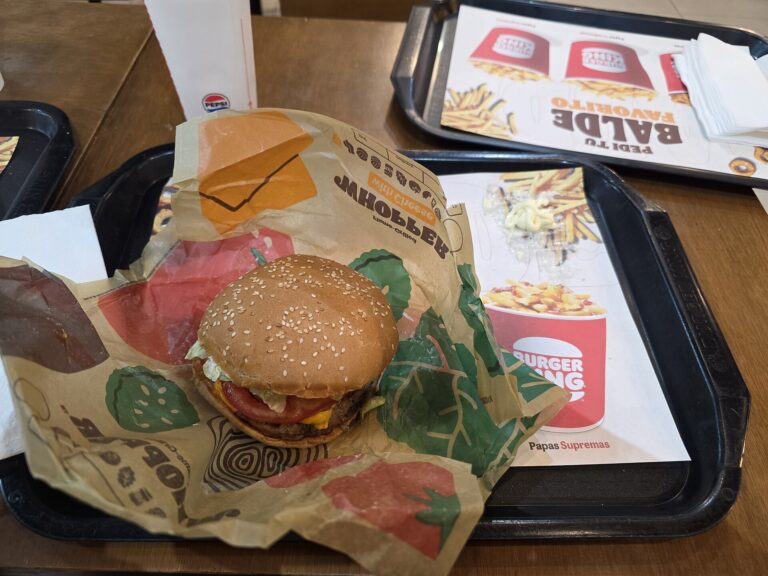
The commercials still do their magic. Burgers gleam, cheese melts perfectly, lettuce looks crisp, and fries appear golden enough to deserve their own spotlight. Then reality arrives in a paper bag, usually with a flattened sandwich that looks like it survived a minor argument.
That gap annoys customers because McDonald’s sells comfort through images. People know fast food is not fine dining, but they still want the meal to feel close to the promise. When the food looks tired, rushed, or sloppy, the disappointment lands harder because the brand’s marketing sets such a shiny stage.
The Drive-Thru Can Turn Into A Patience Test
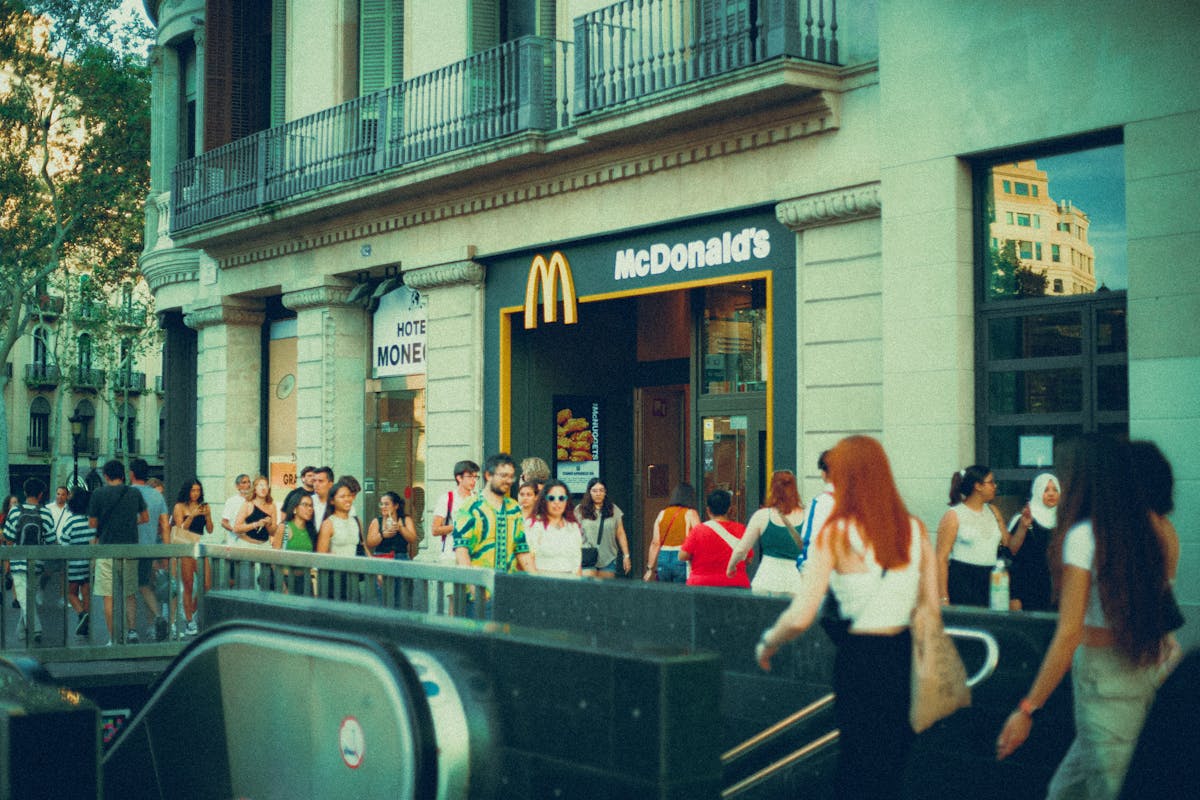
McDonald’s built part of its empire on speed, but many customers have waited long enough in a drive-thru line to question their life choices. A simple order can turn into a slow crawl of idling cars, unclear audio from the speaker, missing sauces, and the dreaded instruction to pull forward and wait. That kind of delay clashes with the whole reason people chose fast food in the first place.
Americans forgive a lot when food is quick. They forgive grease, calories, and even a slightly crushed burger. But when fast food stops being fast, customers start asking why they did not just go somewhere better.
The Fries Are Amazing Only When They Are Fresh
McDonald’s fries may be the brand’s strongest emotional weapon. Fresh out of the fryer, they are crisp, salty, hot, and almost unfairly addictive. Cold or stale, though, they become limp little reminders that timing is everything.
This creates a strange kind of disappointment because customers know how good the fries can be. The best version is legendary, but the weak version feels like a personal insult. When people secretly complain about McDonald’s, inconsistent fries are often near the top of the list.
The Menu Feels Familiar To A Fault

There is comfort in knowing exactly what you can order at McDonald’s. The problem is that familiarity can start to feel stale. Americans like nostalgia, but they also get bored quickly, especially when rival chains roll out bolder chicken sandwiches, loaded sides, spicy sauces, and limited-time items that feel more exciting.
McDonald’s does experiment, but many customers still see the core menu as predictable. The Big Mac, McChicken, nuggets, fries, and Quarter Pounder are classics, yet classics can feel lazy when people want something new. Familiarity keeps customers coming back, but it also feeds the complaint that McDonald’s rarely surprises them in a meaningful way.
The App Makes Deals Feel Like A Chore
The McDonald’s app can save money, and for regular customers, that matters. Still, many people dislike the feeling that the best deals are locked behind downloads, logins, points, notifications, and little digital hoops. What used to be simple now sometimes feels like a small administrative task before lunch.
For customers who just want to order and leave, app-based deals can feel annoying. They may like the discount, but they dislike having to use a phone, an account, and a working code just to feel they got fair value. Fast food is supposed to reduce friction, not add another screen to the day.
The “Cheap Treat” Now Comes With Guilt

McDonald’s has always lived in the space between craving and regret. People love the taste, convenience, and childhood memories, but they also know the meal may not align with their health goals. That inner conflict has become louder as Americans pay more attention to calories, sodium, processed foods, and everyday wellness.
The guilt does not always stop the order. It just changes the mood around it. A McDonald’s run can feel less like a carefree treat and more like something people explain away, especially when the meal costs more than expected.
The Service Can Feel Robotic Or Rushed
McDonald’s workers deal with pressure, speed targets, long lines, complicated orders, and customers who are not always kind. Still, from the customer side, the experience can feel cold or rushed. Kiosks, app orders, drive-thru timers, and packed counters can make the whole place feel less human.
That matters because food is emotional, even when it comes in a paper bag. A friendly greeting or a careful order can make fast food feel pleasant. A missing item, flat tone, or chaotic pickup counter can make people feel like they are being processed rather than served.
The Brand Feels Too Big To Care
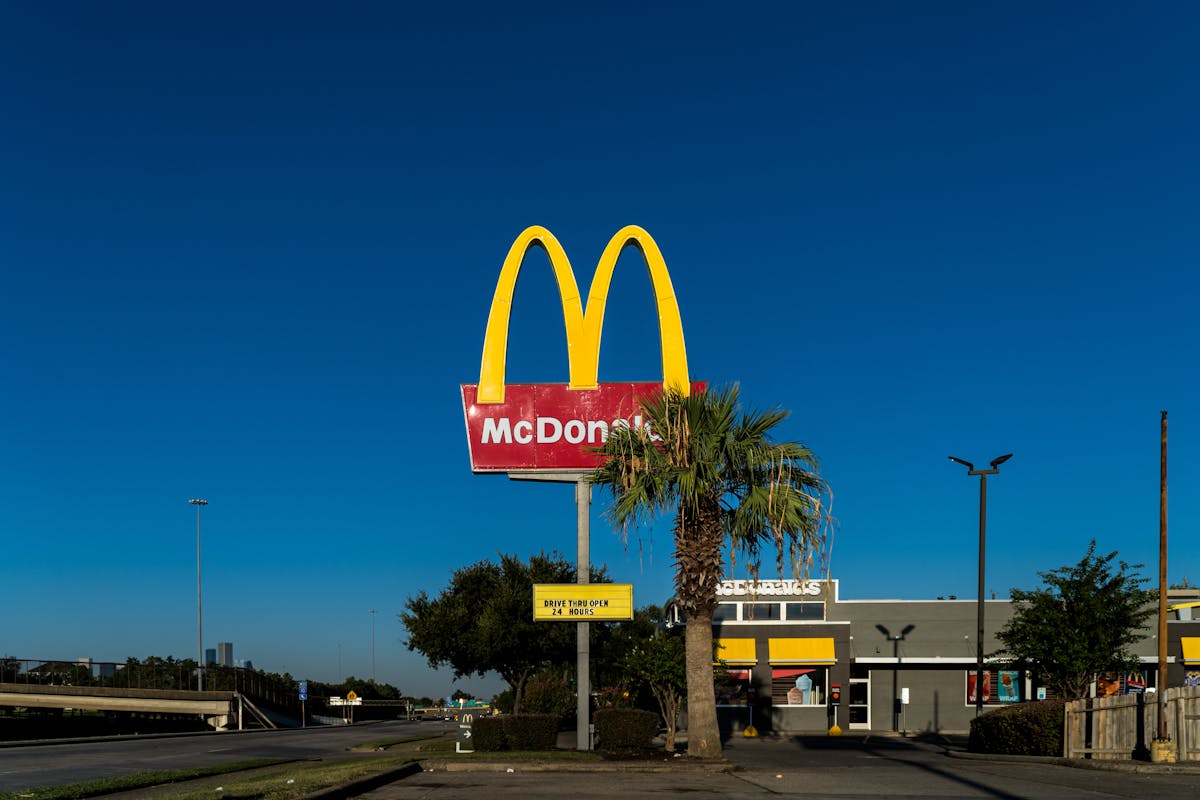
Part of McDonald’s appeal is its size. You can find it in airports, suburbs, cities, highways, small towns, and almost anywhere hunger strikes. But that same size can make the company feel distant, corporate, and untouchable.
When customers complain about prices, quality, or service, they may feel like they are shouting at a golden wall. A local diner can apologize and fix things personally, but McDonald’s feels like a machine. Americans may trust the consistency, but they resent the sense that the brand is too massive to notice their frustration.
People Hate That They Still Crave It
This may be the most honest reason of all. Many Americans criticize McDonald’s because they are annoyed by how often it still works. The fries still hit when they are hot, the nuggets still feel nostalgic, the breakfast still saves chaotic mornings, and the drive-thru still looks tempting after a long day.
That is the secret power of McDonald’s. People may complain about the prices, the app, the lines, and the food quality, but the brand knows how to stay emotionally familiar. Americans do not just hate McDonald’s; they hate how easily it pulls them back.
Conclusion
McDonald’s is not hated in the simple sense. It is resented, mocked, craved, defended, and complained about because it sits so deeply inside American routine. The brand is everywhere, and that means every small disappointment feels personal.
For many Americans, McDonald’s represents a promise that once felt easier: quick food, cheap comfort, and a small reward that did not require much thought. When that promise feels weaker, the criticism gets louder. Still, as long as the fries are hot and the drive-thru lights are on, plenty of people will keep coming back, one hand on the steering wheel and one complaint ready.