9 Reasons 69 Isn’t Really the Age You Become Old
We’ve all seen the headlines: 69 is officially old. But that number doesn’t tell the full story. Aging is more than a birthday; it’s a mix of health, mindset, and lifestyle. People today live longer, move more, and stay engaged far past what past generations considered “old.” While surveys might place old age around 69, the lived reality is far more flexible and often surprising.
Here’s why hitting 69 doesn’t mean you’re officially ancient.
Staying Active Redefines Age
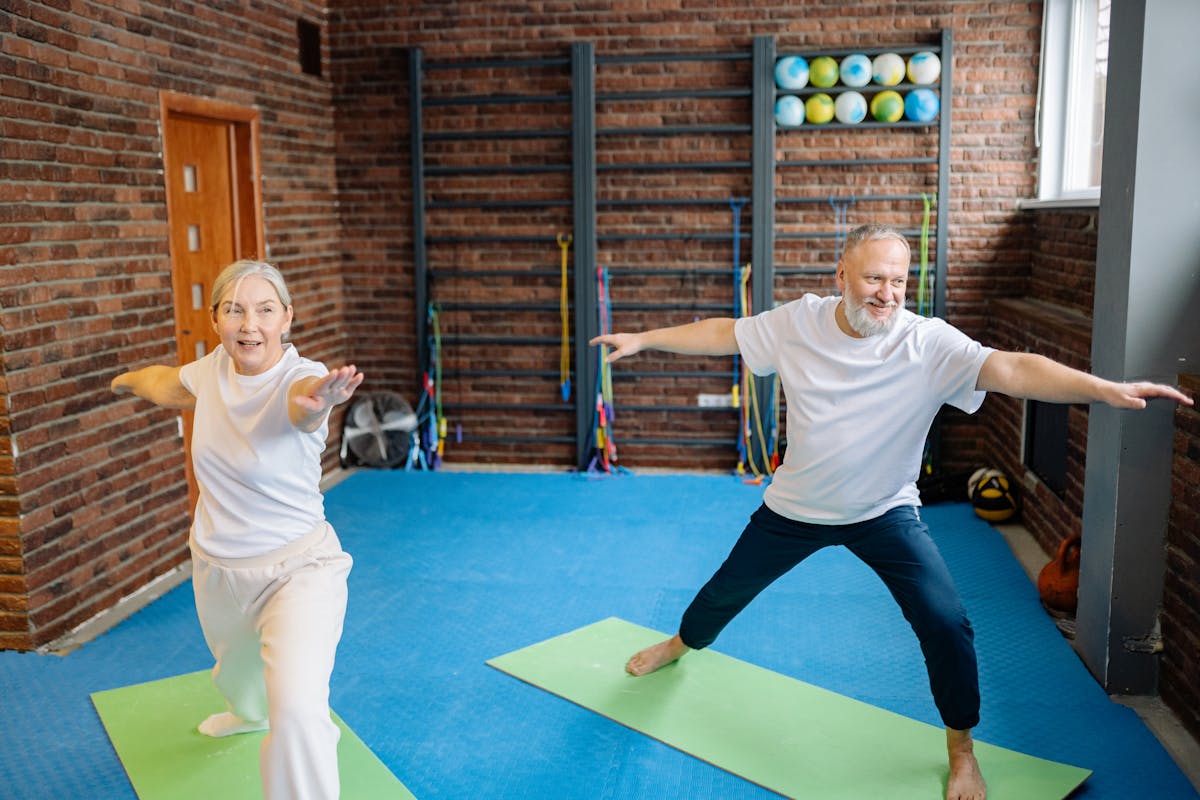
Age doesn’t automatically come with immobility. Many 69-year-olds hike, cycle, or even train for marathons. Exercise preserves muscle, bone density, and balance, which directly impacts independence. Active adults also report feeling significantly younger than their chronological age, proving movement is one of the strongest ways to push old age further away.
Keeping active isn’t just about fitness. Physical engagement boosts mood, reduces loneliness, and helps maintain social connections. Those who exercise regularly at 69 often report energy levels similar to people 10–15 years younger. In other words, activity can make age a number rather than a limitation.
Healthspan Matters More Than Years Lived
Chronological age is just one measure. Healthspan, years spent in good physical, mental, and emotional condition, is far more relevant. A 69-year-old in excellent health may enjoy work, travel, and hobbies, while someone the same age with chronic conditions may feel older than their years.
Managing blood pressure, sleep, diet, and mental health extends healthspan. Medical advances mean 69 is increasingly a midpoint of life, not its decline. People are living longer, and with a focus on wellness, many 69-year-olds remain fully independent.
Social Perception Lags Behind Reality
Surveys suggest society labels 69 as old, but many adults in their late 60s disagree. Research shows people often feel younger than society expects. This gap between social and personal perception highlights that “old” is more about stereotypes than experience.
Even workplace policies or retirement norms don’t define how people feel. Many remain employed, start new careers, or volunteer actively. Social labels fail to capture the reality of capability, energy, and engagement.
Cognitive Vitality Often Stays Strong
Memory and thinking skills do not automatically decline at 69. Many adults maintain sharp cognitive function through reading, learning new skills, or solving problems daily. Staying mentally challenged helps delay cognitive aging and keeps adults feeling younger.
Brain health is also influenced by physical activity, nutrition, and social interaction. A 69-year-old can be mentally more agile than someone decades younger who lacks stimulation. Age does not define intellectual energy.
Relationships Keep Life Vibrant

Strong social networks combat loneliness, one of the fastest accelerators of the feeling of aging. Adults who maintain friendships, romantic partnerships, or family bonds report higher life satisfaction and delayed perception of aging.
69-year-olds with active social lives often feel decades younger than isolated peers. Connection affects emotional resilience, health outcomes, and even longevity, showing that aging is deeply social, not purely biological.
Mindset Shapes Aging
Ultimately, mindset may be the strongest determinant. People who embrace curiosity, flexibility, and growth feel younger at 69 than those who fixate on decline. Positive self-perception is linked to better physical health, emotional resilience, and overall longevity.
Focusing on purpose, hobbies, relationships, and wellness can compress or delay the experience of old age. Age is as much psychological as it is chronological, proving 69 is far from a hard cutoff.
Retirement Doesn’t Dictate Aging
Many assume retirement signals the start of old age. The reality is more flexible. Some adults retire at 60, others at 70, and many continue contributing through consulting, entrepreneurship, or volunteering. Work status may influence lifestyle, but it does not define vitality.
Those who pursue meaningful activities beyond traditional employment remain socially and mentally engaged. A 69-year-old with a clear purpose often feels more alive than a 50-year-old stuck in unfulfilling routines.
Appearance Is Only Skin Deep
Wrinkles or gray hair do not equal old age. Many 69-year-olds embrace style, fitness, and grooming routines, challenging outdated beauty norms. Perceived youth is increasingly linked to energy, confidence, and engagement, not superficial traits.
Cultural shifts are expanding how age is expressed. Older adults experiment with fashion, fitness, travel, and hobbies, proving appearance alone is a poor predictor of vitality.
Technology Keeps You Connected

Staying tech-savvy can reshape aging. Video calls, social media, and online learning enable older adults to connect, learn, and remain culturally current. Digital literacy expands opportunities and reduces the isolation often associated with aging.
69-year-olds who embrace technology can access information, manage finances, and maintain social ties effortlessly. Remaining digitally connected keeps life fresh and reinforces autonomy, challenging traditional views of old age.
Conclusion
Numbers alone cannot define old age. Physical activity, healthspan, social connection, mental engagement, and mindset all determine how 69 is experienced. For many, this age is a thriving chapter, not a decline.