10 Foods We Thought Were Bad But May Actually Be Good for Us
Some foods have carried a bad reputation for so long that many people avoid them without asking a simple question: Is the food itself the problem, or is it the way we eat it? Eggs, potatoes, coffee, cheese, bread, pasta, and even dark chocolate have all been placed on the nutritional “danger list” at some point, yet many of them can support a healthy diet when we choose the right versions and control portions.
The truth is that most foods are not automatically good or bad. A baked potato is not the same as a pile of greasy fries, just as plain Greek yogurt is not the same as a sugar-heavy dessert cup. When we look at preparation, portion size, and what we pair the food with, some of the most misunderstood items in the kitchen start to look far more useful than their reputation suggests.
Eggs Are Not the Breakfast Villain We Were Told to Fear

Eggs have been blamed for cholesterol for years, but they are also one of the most complete and affordable protein sources we can put on a plate. A single egg brings protein, choline, selenium, vitamin D, and nutrients that support eye health, especially when we eat the yolk instead of throwing it away. The bigger issue is usually what comes with the eggs, not the eggs themselves.
We turn eggs into a problem when they arrive beside processed sausage, greasy bacon, butter-heavy biscuits, and fried potatoes every morning. A boiled egg with fruit, oatmeal, avocado toast, or vegetables tells a very different nutrition story. When we treat eggs as a smart protein rather than a greasy breakfast centerpiece, they can become one of the easiest healthy foods to keep in rotation.
Potatoes Are Far Better Than Their Fries and Chips Reputation
Potatoes are often blamed for weight gain because people associate them with fries, chips, and loaded baked potatoes topped with butter, sour cream, and cheese. A plain potato, especially with the skin, contains potassium, vitamin C, vitamin B6, fiber, and steady carbohydrates that help fuel the body. That makes it far more valuable than the “empty starch” label suggests.
The trick is preparation. A baked, boiled, roasted, or air-fried potato can be filling and useful, especially when paired with beans, vegetables, Greek yogurt, salsa, or lean protein. We do not need to fear potatoes. We need to stop turning them into salty, oily snacks and then blaming the potato for the damage.
Coffee Can Be Helpful When We Stop Turning It Into Dessert
Coffee often gets treated like a guilty habit because too much caffeine can affect sleep, anxiety, and heart rate in sensitive people. Yet plain coffee contains plant compounds and can support alertness, focus, and morning energy when we drink it responsibly. For many adults, the problem is not coffee itself, but the sugar-heavy drinks masquerading as coffee.
A simple black coffee, Americano, or coffee with a small amount of milk is very different from a large blended drink loaded with syrup, whipped cream, and dessert-level calories. We should also watch timing, because late coffee can steal sleep and make the next day harder. Used wisely, coffee can be part of a healthy routine instead of a daily nutritional mistake.
Peanut Butter Can Be a Smart Food When the Jar Is Simple

Peanut butter is criticized for being high in calories and easy to overeat. Still, it also provides plant-based protein, healthy fats, magnesium, and lasting fullness. That makes it much more useful than many sweet spreads or ultra-processed snacks.
The healthiest peanut butter choices usually contain peanuts and maybe a little salt, not long ingredient lists packed with sugar and hydrogenated oils. A spoonful with apple slices, whole-grain toast, oatmeal, or yogurt can make a snack more satisfying. We only run into trouble when we eat it straight from the jar without paying attention to portions.
Cheese Can Belong on the Plate Without Taking Over the Plate
Cheese is often placed in the unhealthy category because it can be high in saturated fat and sodium. That concern is real, especially when portions are large or cheese appears in fast food, frozen meals, and heavy casseroles. Still, real cheese also provides protein, calcium, phosphorus, and flavor that can make healthier meals more enjoyable.
We should treat cheese as a flavor-rich ingredient rather than the main meal. A little feta on salad, parmesan on roasted vegetables, or cheddar with fruit can add satisfaction without overwhelming the plate. Cheese becomes a problem when it covers everything in sight. In small amounts, it can fit into a balanced diet without guilt.
Dark Chocolate Can Be a Better Treat Than Most Candy
Chocolate has a bad name because many chocolate bars are mostly sugar, fat, and flavoring with very little actual cocoa. Dark chocolate is different when it has a higher cocoa percentage and less added sugar. It offers a richer taste, plant compounds, and enough intensity that a small piece can satisfy a craving.
We should still treat dark chocolate as a treat, not a health supplement. A square or two after dinner can be a smarter choice than a large candy bar, especially when paired with berries, nuts, or plain yogurt. The goal is not to eat unlimited chocolate. The goal is to choose a better version when we want something sweet.
Bread Is Not Automatically Bad When We Choose the Right Kind

Bread has been blamed for weight gain, blood sugar spikes, and poor-quality eating, but that’s usually due to refined bread and oversized portions. Whole-grain bread can provide fiber, B vitamins, minerals, and steady energy. It can also make healthy meals more practical because sandwiches and toast are easy to prepare.
The best bread choices list whole grain as the first ingredient and offer a meaningful amount of fiber. A slice topped with eggs, avocado, tuna, hummus, or nut butter can be part of a nourishing meal. Bread becomes less helpful when it is sugary, oversized, or filled with processed meats and heavy spreads. The bread itself is not always the enemy.
Pasta Can Fit Into a Healthy Meal When the Plate Is Balanced
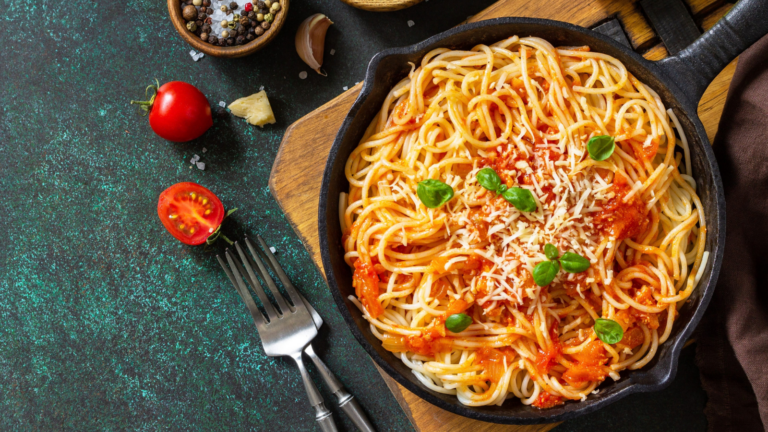
Pasta is often seen as a diet disaster because it is high in carbohydrates. The real problem is usually portion size, creamy sauces, and meals that contain little protein or vegetables. Pasta can fit into a healthy eating pattern when we use it as one part of the plate instead of letting it become the whole meal.
A smarter pasta bowl includes vegetables, beans, seafood, chicken, tomato sauce, herbs, olive oil, or a moderate sprinkle of cheese. Whole-grain or legume-based pasta can also add more fiber and protein. We do not need to ban pasta to eat well. We need to stop serving it in giant portions with no nutritional balance.
Greek Yogurt Is Healthy When It Is Not Loaded With Sugar
Yogurt can be confusing because some products look healthy but contain a lot of added sugar. Plain Greek yogurt is a better choice because it provides protein, calcium, and live cultures when labeled as such. It can work as breakfast, a snack, a smoothie base, or even a substitute for sour cream in savory meals.
We get the most benefit when we buy plain yogurt and add our own fruit, cinnamon, nuts, seeds, or a small drizzle of honey. That gives us control over the sweetness while keeping the protein high. Dessert-style yogurts are easy to overeat and often behave more like pudding. Plain Greek yogurt is the version that deserves its healthy reputation.
Popcorn Can Be a High-Fiber Snack Instead of Junk Food

Popcorn is often dismissed because people picture movie-theater tubs soaked in butter-flavored topping or microwave bags with too much salt. Plain popcorn is actually a whole grain. It provides fiber, crunch, and volume, making it more satisfying than many chips and cookies.
The healthiest version is air-popped popcorn, lightly seasoned. We can add herbs, cinnamon, nutritional yeast, pepper, or a small amount of olive oil for flavor. Popcorn becomes a problem when it is drowned in butter, caramel, cheese powder, or salt. In its simpler form, it can be one of the smartest snack choices in the pantry.
Conclusion
The biggest lesson is simple: food reputation is not always the same as food reality. Many foods we were told to avoid can be useful when they are whole, simply prepared, and eaten in reasonable portions. Eggs, potatoes, coffee, peanut butter, cheese, dark chocolate, bread, pasta, Greek yogurt, and popcorn can all fit into a balanced diet when we stop treating them like villains.
We do not need fear-based food rules to eat better. We need smarter choices, better portions, and meals that include protein, fiber, healthy fats, and real satisfaction. A healthy diet should not feel like a punishment. It should feel practical enough to repeat, flexible enough for real life, and nourishing enough to support the body without stealing the joy from food.