9 Reasons Other Historic Grocery Stores Failed While Ralphs Thrived
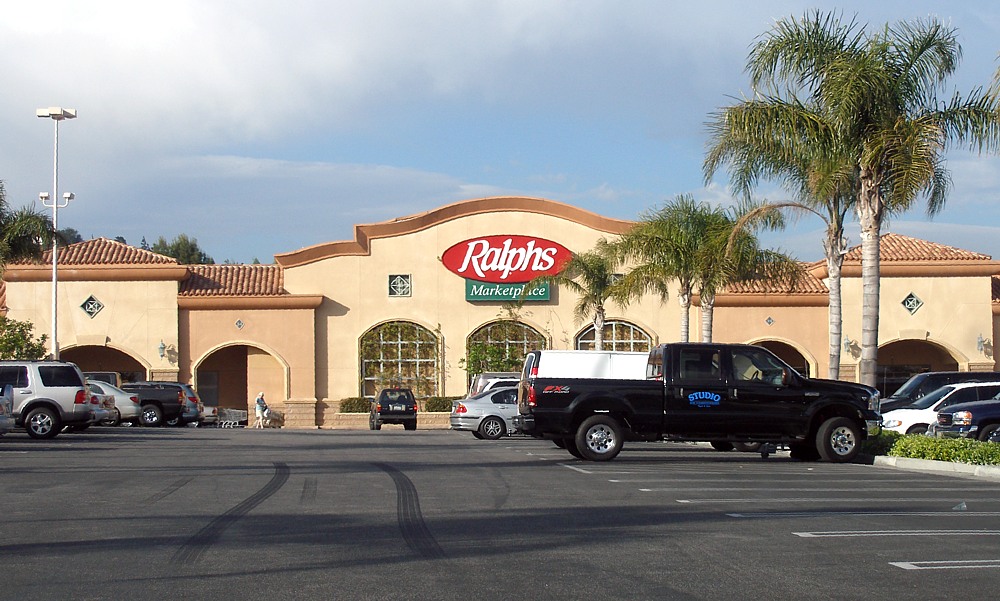
From bustling city streets to suburban neighborhoods, grocery shopping has changed dramatically over the past century. Yet one grocery chain has quietly survived every economic upheaval, every new competitor, and every shift in consumer behavior. Ralphs, founded in 1873 in Los Angeles, continues to operate 182 stores today, outlasting countless historic competitors. Its survival isn’t a stroke of luck; it’s the result of smart innovation, customer focus, and adaptability.
As other historic chains crumbled under pressure, Ralphs found ways to evolve without losing its identity. From embracing technology to anticipating shopper habits, the chain’s journey offers lessons in resilience, strategy, and longevity. Here’s a breakdown of exactly why Ralphs continues to thrive while many of its peers have disappeared.
Staying Ahead of Lifestyle Changes
When automobiles transformed American life, Ralphs adapted by redesigning stores for self-service shopping and adding parking lots, while phasing out home delivery. Competitors who ignored these changes lost relevance. Ralphs’ early anticipation of evolving lifestyles made shopping convenient and accessible, ensuring that shoppers stayed loyal even as consumer habits shifted dramatically.
Leveraging Direct Farmer Relationships
Ralphs sourced produce directly from farmers, eliminating middlemen and lowering costs. This approach guaranteed fresher goods and reliable pricing. While other chains relied on traditional supply methods, Ralphs’ model delivered consistent quality and value to customers, creating a trust-based advantage that helped the chain weather economic fluctuations and keep shoppers coming back.
Expanding With In-House Bakeries and Creameries

Adding bakeries and creameries allowed Ralphs to improve product quality while controlling costs. These in-store expansions provided a one-stop shopping experience, offering goods that competitors couldn’t match. Many historic grocers failed to innovate in this way, leaving them vulnerable, while Ralphs strengthened its brand and customer loyalty.
Embracing Technology Early
Ralphs implemented electronic billing in the 1950s and adopted UPC scanning in the 1970s. Competitors who resisted technological updates struggled with slower operations and frustrated customers. By modernizing while staying true to its brand, Ralphs improved efficiency, enhanced shopping convenience, and maintained relevance across decades of retail evolution.
Maintaining Consistent Pricing
Shoppers valued Ralphs for reliable prices and consistent quality. Careful supply chain management ensured fair deals and dependable goods. Competitors that allowed prices to fluctuate or neglected quality lost customers, while Ralphs’ focus on consistency fostered loyalty and repeat business, giving it a critical edge over other historic chains.
Adapting to Corporate Shifts
Through mergers and acquisitions, Ralphs preserved its identity and focus on customers. While other chains lost their uniqueness during corporate transitions, Ralphs retained the elements that mattered most to shoppers. This ability to maintain brand identity amid change helped it weather economic turbulence that sank competitors.
Anticipating Customer Needs

Ralphs continuously monitored trends, adjusting store layouts, product selections, and services to match shopper expectations. Chains that ignored these shifts fell behind. Ralphs’ proactive approach ensured it remained relevant to both longtime customers and new generations, underscoring the importance of staying attuned to consumer behavior.
Balancing Tradition and Innovation
Many historic grocers clung to tradition without evolving. Ralphs struck a balance, updating operations and technology while preserving its heritage. This allowed the chain to innovate without alienating loyal patrons, combining the best of the past with the practical needs of the present, a key reason it remained competitive.
Strong Community Connections
Ralphs stayed connected to local communities through sponsorships, events, and consistent service. Chains that overlooked these relationships lost customer loyalty. By engaging neighborhoods and valuing patrons, Ralphs created a personal connection that helped it withstand competition and societal changes that challenged other historic grocers.
Lessons Competitors Failed to Learn

Ultimately, Ralphs survived because it combined foresight, operational efficiency, innovation, and customer focus. Many competitors underestimated the importance of these elements or were too slow to adapt. Ralph’s story shows that survival in retail depends not on age or size but on responding effectively to market changes and consumer needs.
Ralph’s remarkable longevity reminds us that historic success isn’t guaranteed; it must be continuously earned. While other grocery chains disappeared, Ralphs thrived through adaptation, innovation, and focus on its customers. Its story offers a blueprint for any business aiming for lasting relevance in an ever-changing market, proving that the right combination of heritage and forward-thinking strategy can endure for generations.