9 Reasons Washington’s Wild Waves Closure Feels Bigger Than a Theme Park Goodbye
Wild Waves Theme Park is preparing for its final season in Federal Way, Washington, and the story is starting to feel heavier than a simple business closure. For nearly 50 years, the park has been a summer marker for families across the Pacific Northwest, the kind of place people remember through sunburns, soaked sneakers, birthday trips, teenage jobs, and one last ride before heading home.
The park is scheduled to close to the public on November 1, 2026, after one final season. Its operator has cited rising costs and financial losses after the COVID shutdown, but locals’ reaction shows the loss is not just about money. It is about a familiar place disappearing from the map.
Here are the biggest reasons this closure is hitting Washington families, Federal Way residents, former workers, and theme park fans harder than many expected.
Washington Is Losing Its Largest Theme And Water Park Combo

Wild Waves has long stood out for offering two family experiences in one place. Visitors could ride roller coasters, take kids on family rides, cool off in the water park, and stay for seasonal events without leaving the property.
That matters in Washington because large amusement parks are not scattered across the state the way they are in Florida, California, Ohio, or Texas. For many families, Wild Waves was the closest full-day theme park-style outing within driving distance of Seattle, Tacoma, and surrounding communities.
When it closes, the gap will be obvious. Families will still have fairs, parks, pools, and local attractions, but Wild Waves filled a specific role. It gave the region a big summer outing that felt exciting without requiring plane tickets, hotel stays, or a major vacation budget.
The Final Season Could Turn Into A Nostalgia Rush
The final season may become one of the most emotional periods in the park’s history. Once people know a place is closing, ordinary visits start to feel like last chances.
Parents who have not visited in years may bring their children one final time. Former employees may return to walk the grounds. Adults who first visited as kids may come back just to take photos and remember what the park looked like before it disappears.
That kind of farewell energy can make a closing season feel both joyful and sad. Every ride, every snack stand, every family picture, and every long line may carry extra meaning because visitors know the park is no longer part of the future. It becomes less about having a perfect day and more about saying goodbye properly.
Federal Way May Lose One Of Its Most Recognizable Landmarks
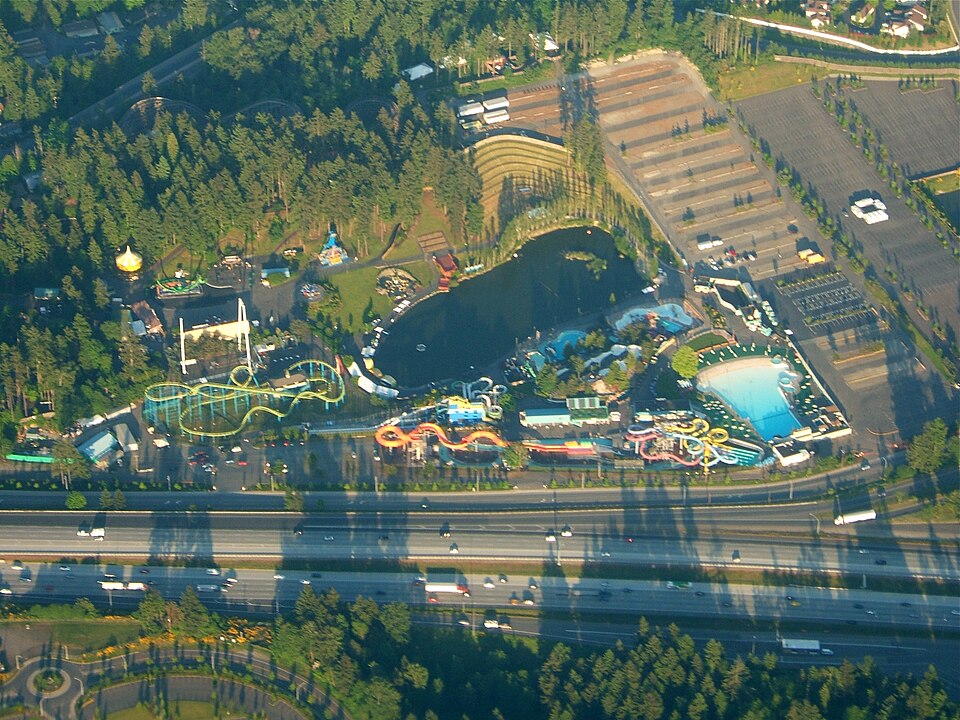
For many outsiders, Wild Waves has been one of the easiest ways to recognize Federal Way. The city sits between Seattle and Tacoma, but the park gave it a clear identity as a family entertainment stop in the region.
That kind of local recognition is difficult to replace. A city can add new buildings, roads, stores, and business projects, but it cannot instantly recreate a landmark that generations have already connected to childhood and summer.
The closure could make Federal Way feel different to people who grew up associating the city with the park. It may still be a strong community with schools, neighborhoods, parks, and businesses, but the loss of Wild Waves removes a familiar public symbol. For longtime residents, the decision feels personal.
The Warehouse Plan Makes The Goodbye More Emotional
The closure became even more controversial after reports that the property could be redeveloped into a warehouse project exceeding 1 million square feet. For some residents, that detail changes the story from sad to frustrating.
A warehouse may bring jobs, tax value, and business activity. Cities need economic development, and large properties near major roadways often attract industrial interest. That side of the debate should not be ignored.
Still, many locals may struggle with the contrast. A place once filled with water slides, school groups, birthday trips, and weekend crowds could become a major logistics property. Even if the project brings practical benefits, it may not feel like a fair emotional trade for families who see Wild Waves as part of Washington’s shared memory.
First Jobs And Seasonal Work Could Disappear With The Rides

Wild Waves was not only a place to visit. It was also a place where many people worked their first job, earned summer money, learned customer service, and discovered what it meant to show up on time.
Theme parks often employ lifeguards, ride operators, food workers, ticket staff, cleaners, maintenance crews, security workers, supervisors, and event teams. These jobs matter because they often give teenagers and young adults early work experience.
When the park closes, those seasonal opportunities will disappear from Federal Way’s local job mix. Workers may find other roles, but the specific experience of working at a busy amusement park will be harder to replace. That is another quiet loss behind the bigger headline.
Timberhawk Became More Than Just A Wooden Coaster
Timberhawk: Ride of Prey has been one of the park’s signature attractions, and for many visitors, it became the ride that defined a trip to Wild Waves. Wooden coasters have a different kind of personality because they feel loud, physical, and old school in a way newer rides often do not.
For kids, a first ride on Timberhawk may have felt like a milestone. For teens, it may have been the ride they dared each other to take. For adults, it may now become the attraction they remember most once the park is gone.
That is why the final rides will likely feel different. Visitors may be thinking not only about speed, height, or thrill level. They may be thinking about who they rode with, how young they were, and how many summers passed while the coaster kept running.
The Closure Shows How Expensive Family Fun Has Become
Wild Waves’ operator cited rising operating costs and millions in losses after reopening from the COVID shutdown. That explanation points to a larger issue facing many entertainment businesses across the country.
Running a park is not cheap. There are staffing costs, insurance costs, ride inspections, repairs, water systems, energy bills, security needs, food operations, permits, cleaning, marketing, and guest safety demands. When all of those costs rise, a beloved attraction can become financially fragile.
For families, this adds another layer to the story. Many Americans already feel that affordable family outings are getting harder to plan. When a regional park closes, it can make simple summer traditions feel less accessible, especially for families who cannot easily replace a local day trip with a faraway vacation.
The Park’s Closing Reflects A National Shift Away From Nostalgia
Wild Waves is part of a broader pattern that many theme park fans have noticed. Older attractions are being removed, redesigned, replaced, or closed as parks and property owners respond to changing costs, land values, and visitor expectations.
Big parks may replace aging attractions with expensive new lands or branded experiences. Smaller and regional parks often have fewer options. They may not have the financial cushion to keep nostalgia alive when the business model becomes difficult.
That makes Wild Waves feel like a warning sign. A park can be loved and still be vulnerable. A ride can be packed with memories and still cost too much to maintain. A community can want a place to survive and still watch the numbers push it toward closure.
The Hardest Part May Be What Comes After The Last Day

The final day will be emotional, but the real shock may come later. It may hit when families drive past the property and see the gates closed. It may hit when summer arrives, and parents realize the usual day trip is no longer an option.
For Federal Way, the change could feel especially sharp if the land quickly begins moving toward redevelopment. The city may gain new economic activity, but residents may still feel the loss of a public gathering place that shaped nearly five decades of local memory.
That is what makes this closure bigger than a theme park goodbye. Wild Waves is leaving behind more than empty rides. It is leaving behind a question many communities now face: when a beloved local place disappears, what kind of future should take its place?