10 Truths About the Fortune Hiding in Canada’s Natural Resources
Canada may look calm from the outside, but beneath its forests, lakes, mountains, and frozen ground sits one of the world’s richest natural resource vaults. Oil, gas, potash, uranium, timber, gold, freshwater, farmland, and critical minerals all give the country serious economic power.
Still, wealth in the ground does not protect a country forever. Prices change, wildfires spread, demand shifts, and slow decisions can turn great opportunities into missed chances. Canada has the treasure, but using it wisely is the real test.
Canada’s Resource Wealth Is Huge, But It Can Shrink Quickly
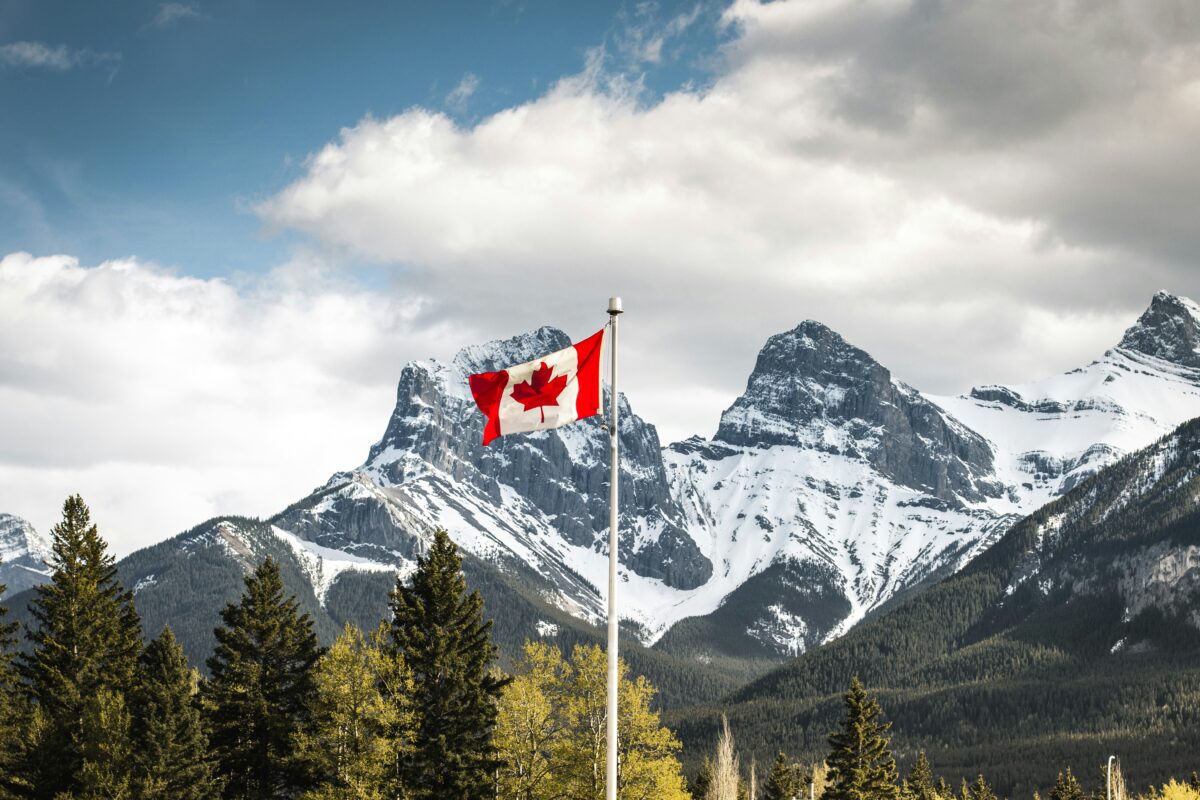
Canada’s natural resource wealth is worth more than a trillion dollars, but that number can rise or fall with global markets. Oil prices, mineral demand, timber conditions, and investor confidence all affect the value. The land stays rich, but the price tag can change fast.
Energy Still Carries the Biggest Weight
Oil and gas remain major pillars of Canada’s resource economy. Alberta’s oil sands, natural gas fields, and energy exports support jobs, taxes, and entire communities. The challenge is balancing economic power with environmental pressure and global climate demands.
Natural Gas Is Becoming a Global Power Card
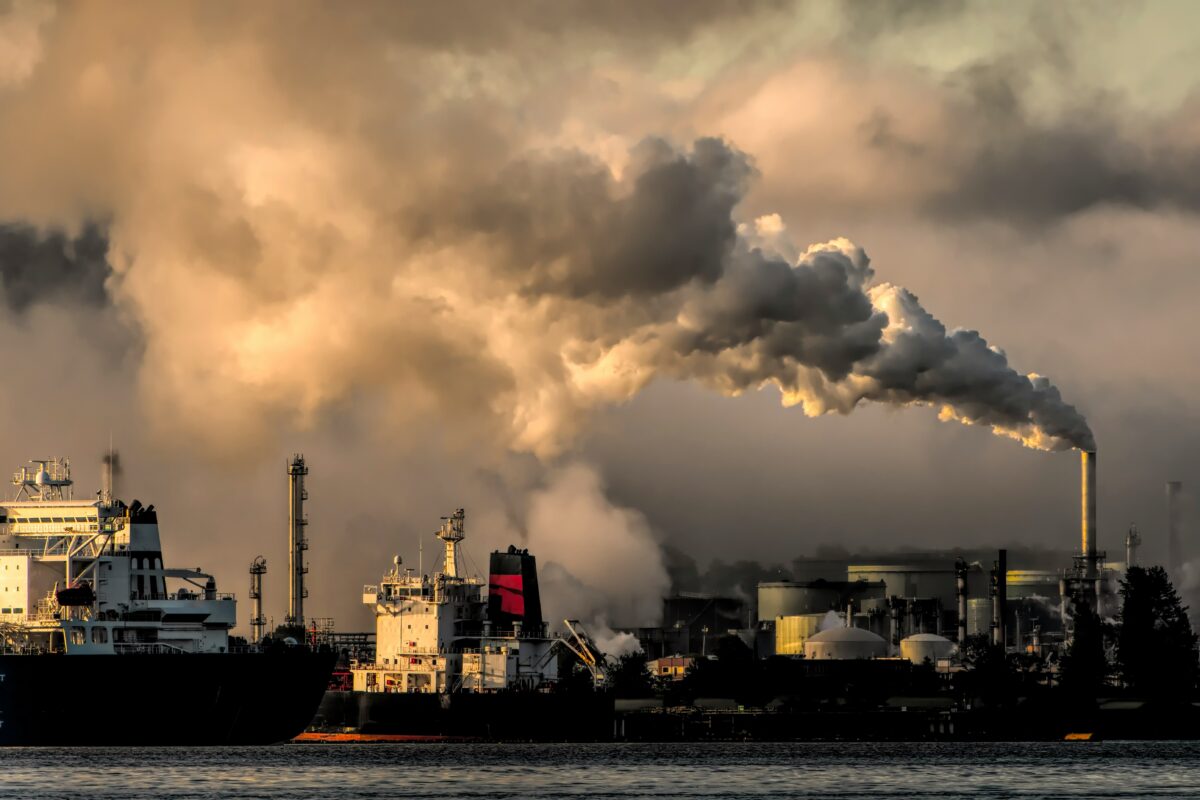
Canada’s natural gas is becoming increasingly important as countries seek stable energy supplies. LNG projects could help Canada reach overseas buyers and strengthen its role in global energy security. The danger is moving too slowly while competitors lock in markets.
Potash Quietly Feeds the World
Potash may not sound exciting, but it is one of Canada’s most valuable resources. Farmers use it in fertilizer to grow more food, making Saskatchewan’s reserves a global advantage. In a hungry world, this quiet mineral carries serious power.
Uranium Gives Canada a Nuclear Edge
Canada is a major uranium producer, and that matters as nuclear energy gains new attention. Countries need steady, lower-emission electricity, and uranium helps fuel that future. Saskatchewan’s deposits give Canada a strong position in the global energy conversation.
Gold Still Thrives When Fear Rises
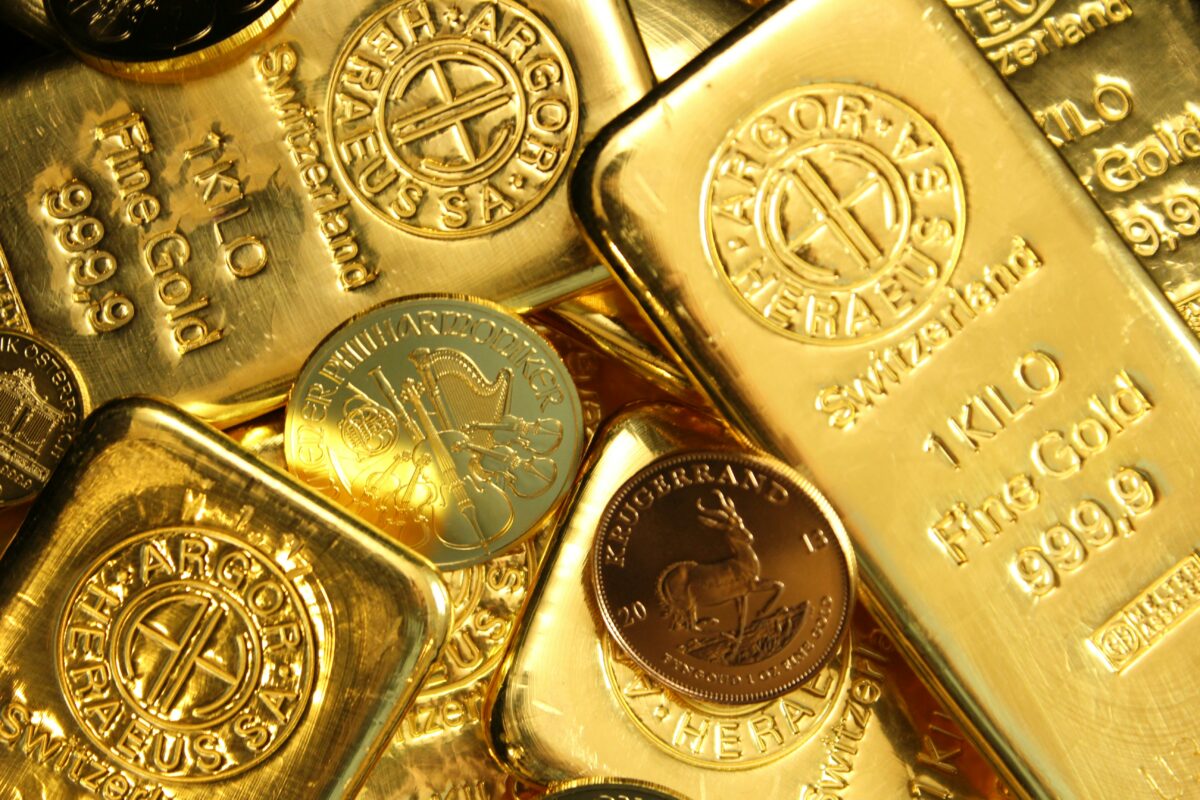
Gold remains valuable because people trust it during uncertain times. When inflation, war, or financial panic rises, gold often becomes more attractive. Canada’s gold resources benefit from that old truth: fear still has a market.
Critical Minerals Could Shape Canada’s Future
Lithium, nickel, copper, graphite, cobalt, and other critical minerals are now tied to batteries, electric vehicles, clean energy, and defense technology. Canada has many of these resources, but mining alone is not enough. The real money comes from processing, manufacturing, and controlling a larger share of the supply chain.
Forests Are Rich, But Wildfires Are Changing Everything
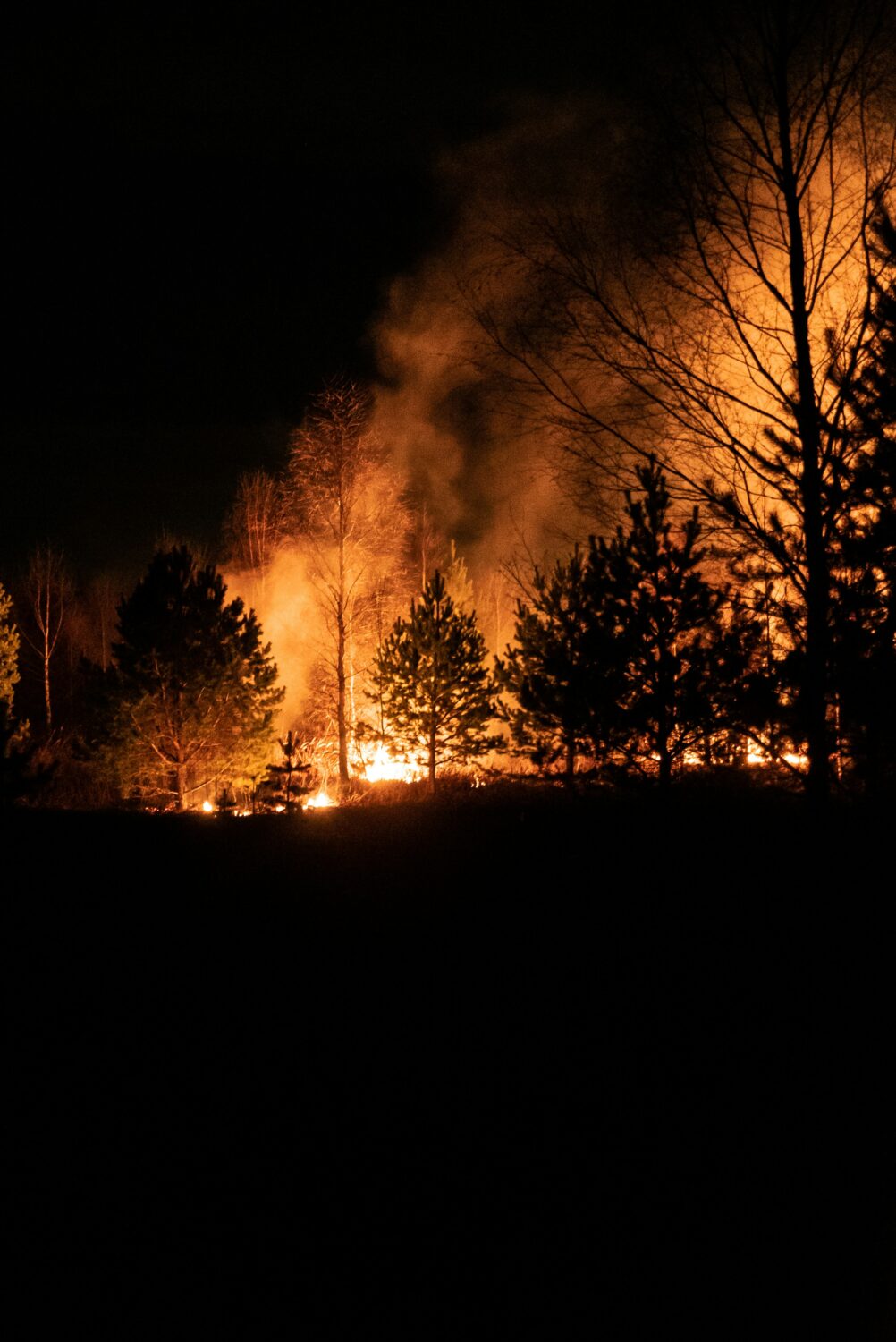
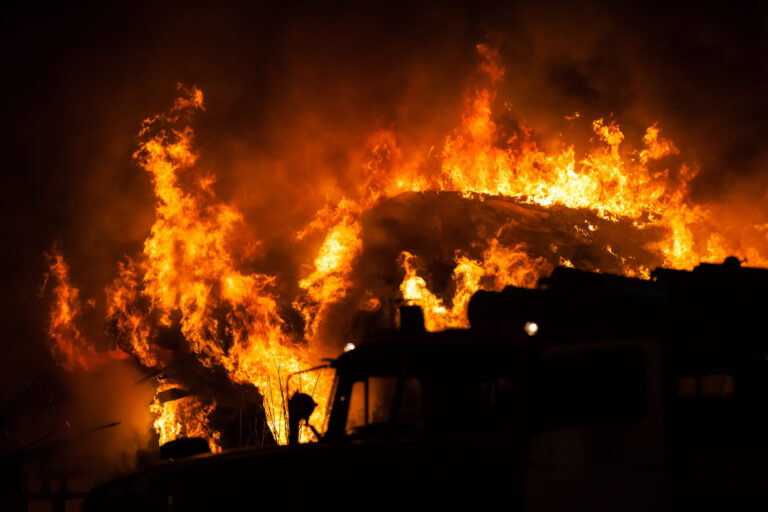
Canada’s forests support timber, paper, construction, exports, and rural jobs. Yet wildfires, pests, drought, and trade disputes are putting pressure on this wealth. A forest can be an economic asset one year and a climate disaster the next.
Hydropower Gives Canada a Cleaner Advantage
Canada’s rivers help produce large amounts of hydroelectric power. This gives the country a cleaner electricity profile than many industrial rivals. Still, drought, aging infrastructure, and environmental concerns mean this advantage needs careful protection.
Farmland Turns Soil Into Strength
Canada’s farmland produces wheat, canola, livestock, pulses, dairy, and other food products. That makes agriculture one of the country’s most practical forms of natural wealth. Energy markets may change, but the world will always need food.
The Biggest Risk Is Wasting the Advantage
Canada does not lack resources. It lacks unlimited time. Strong roads, ports, workers, Indigenous partnerships, smart policy, and faster project decisions will decide how much of this wealth becomes real prosperity.
Conclusion
Canada’s natural resources are not just beautiful background scenery. They are a powerful economic foundation built from oil, gas, forests, farms, rivers, gold, uranium, potash, and critical minerals.
But natural wealth can become a wasted gift if it is not managed with courage and intelligence. Canada has what the world wants. The real question is whether it can turn that advantage into stronger communities, better jobs, and lasting prosperity before other countries move faster.