The American Flag at 250: A Nation Negotiating Its Most Powerful Symbol
America’s Semiquincentennial and a Fractured Sense of Pride
As the United States approaches its 250th anniversary in 2026, the country is preparing for a milestone that should, in theory, unify national identity. Instead, the moment is unfolding against a backdrop of declining national pride and rising political fragmentation over what it even means to be patriotic.
Public sentiment surveys show a long-term erosion in the share of Americans who describe themselves as strongly proud of their country, with only about a third now expressing “extreme pride” in being American. That shift matters because national symbols depend not just on visibility but on emotional consensus.
The American flag, once a default marker of shared civic identity, is now increasingly interpreted through competing political and cultural lenses.
The American Flag as a Divided Cultural Language
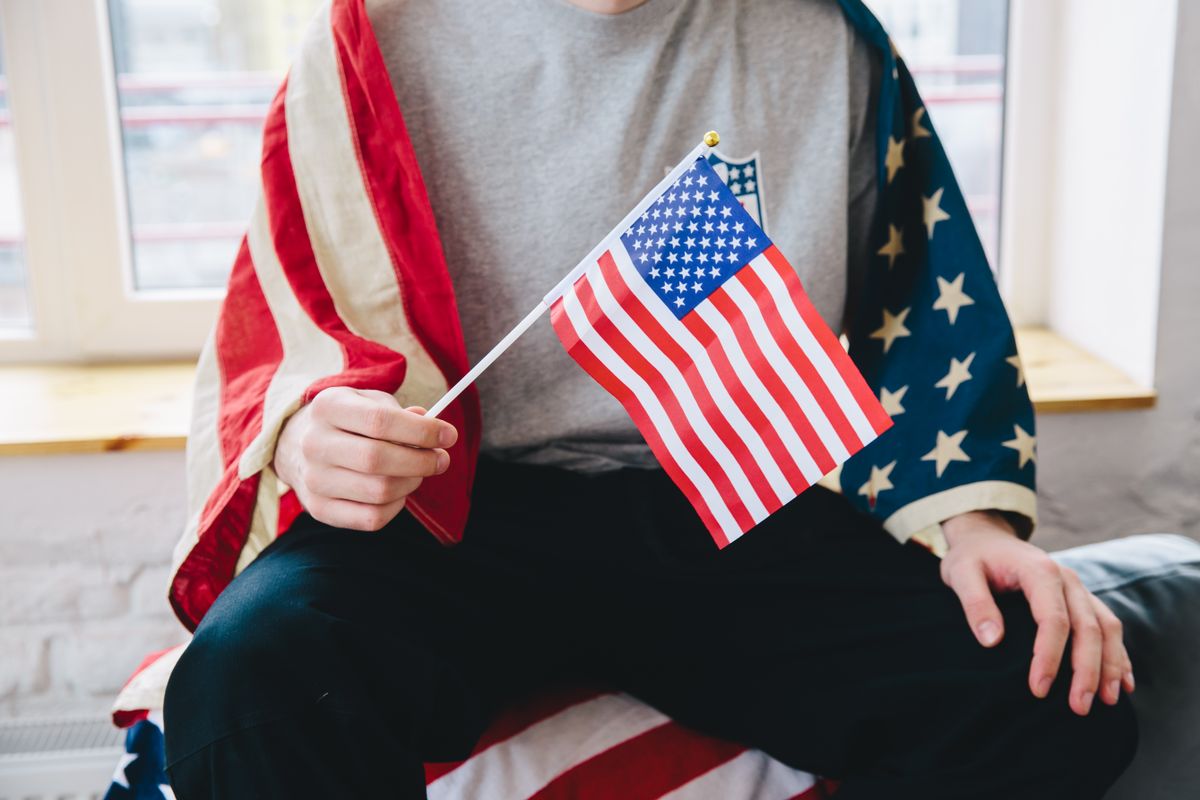
The Stars and Stripes still occupies a central place in American life, but its meaning is no longer stable. It functions less like a single national symbol and more like a cultural language with competing interpretations.
For some Americans, the flag remains a straightforward expression of gratitude, military respect, and national continuity. For others, it has become entangled with political identity, especially in an era where public symbolism is quickly read as alignment with or opposition to specific movements.
This shift has created a new social reality. A flag outside a home no longer communicates only patriotism. It can also signal ideology, protest, tradition, or even caution depending on who is observing it.
Generational Divide in Patriotic Expression
One of the clearest but often underemphasized dynamics shaping the flag debate is the generational divide.
Older Americans are more likely to treat flag display as habitual and non-negotiable, tied to memory, service, and civic ritual. Younger Americans tend to approach the flag more conditionally, associating it with policy outcomes, social justice concerns, and institutional trust.
This difference is not simply political. It is an emotional structure. For one generation, the flag is an inherited identity. For another, it is an evaluated identity.
That gap becomes most visible during national holidays, when shared rituals reveal fundamentally different interpretations of the same symbol.
The Flag Code Versus Modern Practice
A quieter but important tension exists between the formal U.S. Flag Code and everyday American behavior.
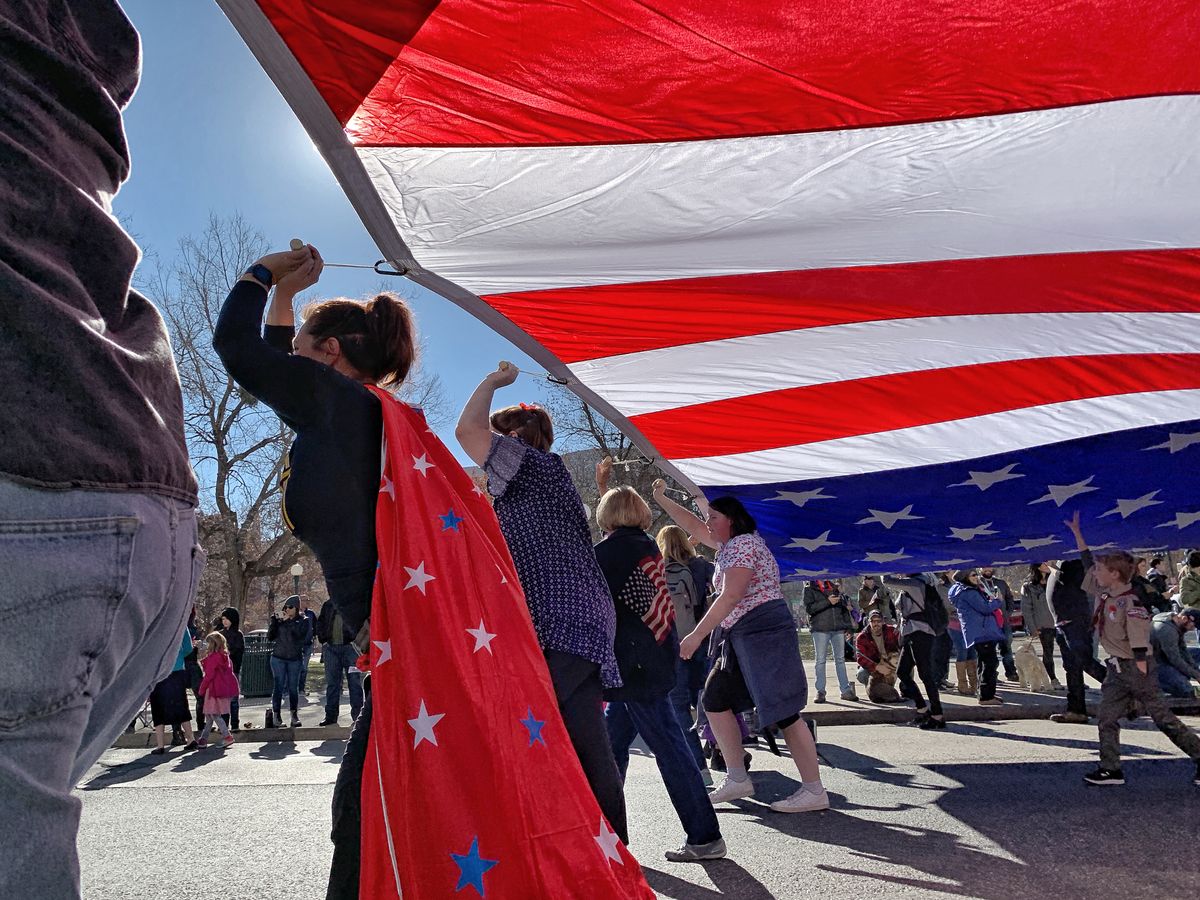
The Flag Code outlines respectful display practices, including proper positioning, handling, and conditions for display. Yet in modern culture, the flag appears far beyond those traditional boundaries.
It is printed on clothing, integrated into commercial branding, used in digital memes, displayed at sporting events, and incorporated into protest imagery.
This creates a structural contradiction:
- Official framework: a solemn civic emblem governed by etiquette
- Cultural reality: a widely used identity symbol embedded in everyday commerce and expression
That gap helps explain why debates over “proper respect” feel so charged. Americans are not only arguing about meaning. They are also arguing about rules that many no longer follow uniformly.
Political Polarization and the Symbol of Patriotism
The flag has become more visibly associated with political identity in recent years, particularly in how different groups choose to display or avoid it.
Polling consistently shows a partisan gap in flag display habits, with Republicans significantly more likely than Democrats to fly the flag at home. That difference is not just aesthetic. It reflects how patriotism itself is now interpreted through the lens of political identity.
In this environment, the flag can function as a signal of belonging to a political tribe rather than simply belonging to a nation. That perception, whether accurate or not, shapes how people choose to engage with it.

Protest, Inversion, and the Expanding Meaning of the Flag
One of the most striking developments in modern flag usage is the rise of symbolic inversion as a form of protest.
The U.S. Flag Code permits upside-down display only as a signal of extreme distress, a rule originally intended for emergencies. In contemporary practice, Americans across the political spectrum have adopted the inverted flag as a form of political expression.
For some, it signals a national crisis under the current leadership. For others, it represents institutional or cultural decline. In both cases, the flag is no longer just a symbol of unity. It becomes a visual argument about the national condition.
This dual use reflects a broader transformation. The flag now functions as a shared symbolic vocabulary, but with opposing meanings depending on context and viewer.

Institutional Patriotism Versus Personal Interpretation
While individual sentiment has become more fragmented, institutional use of the flag has expanded rather than contracted.
Government agencies, schools, sports leagues, corporations, and civic organizations continue to deploy flag imagery in ceremonies, branding, and national events. The flag remains a central visual tool for collective identity during major national moments.
This creates a paradox. At the institutional level, the flag is used to reinforce unity. At the individual level, its meaning is increasingly contested.
The result is a split symbolic ecosystem where official messaging and personal interpretation do not always align.
Immigrant Citizenship Ceremonies and the Moment of Unified Meaning
One of the most emotionally consistent settings for the flag is the naturalization ceremony.
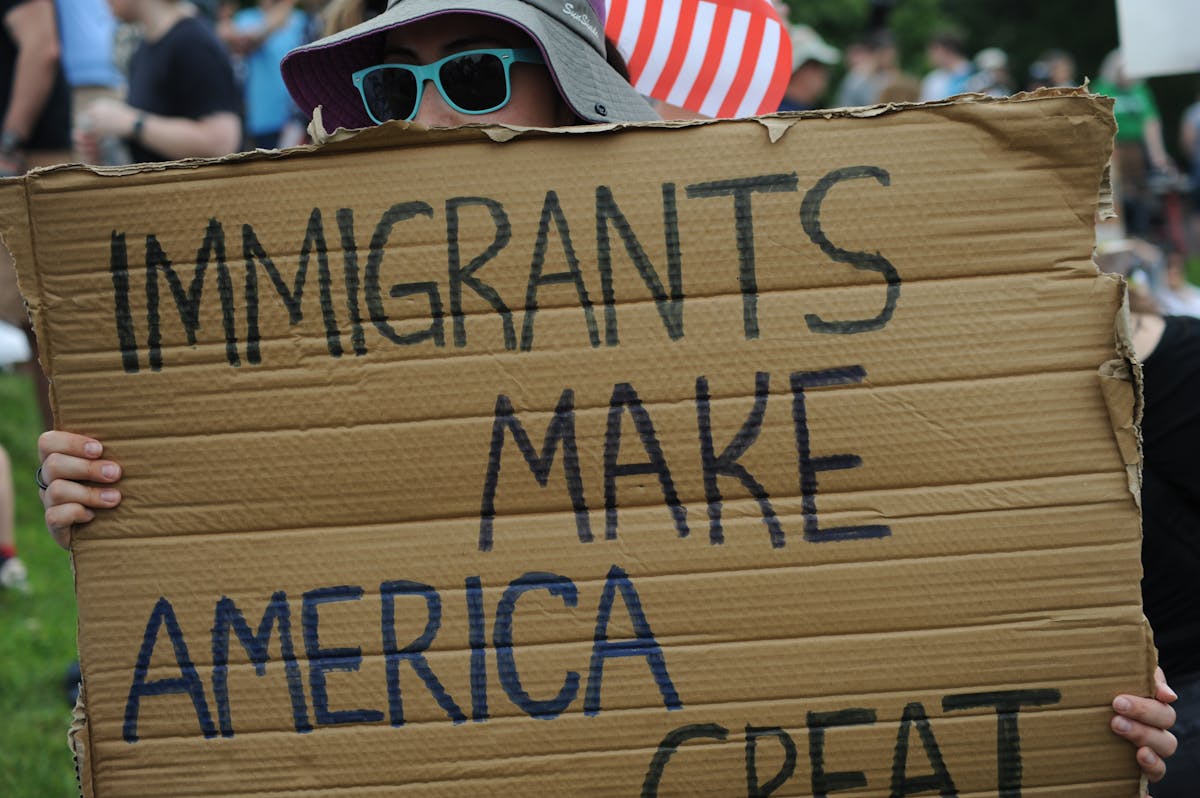
For new citizens, the flag is often experienced in a singular way: as the visual confirmation of belonging. In that context, the symbol is not debated or interpreted. It is lived.
This moment stands in contrast to the broader national conversation. While some Americans question whether the flag still represents them, others encounter it as the point at which representation becomes reality.
The coexistence of these experiences adds depth to the flag’s meaning rather than reducing it.
The Social Pressure of Visibility
Another underexplored dynamic is the social pressure surrounding the display of flags itself.
In many communities, the decision to fly or not fly a flag is not purely personal. It is shaped by perception. Some individuals display the flag because it reflects their identity. Others display it because its absence might be misinterpreted.
This turns the flag into a form of social signaling that extends beyond patriotism. It becomes part of how people manage their sense of belonging, reputation, and community perception.
The Flag as Both Commodity and Symbol
The American flag also exists within a commercial system that intensifies its visibility.
Flag manufacturing, patriotic merchandise, seasonal retail campaigns, and national celebration marketing all contribute to a steady circulation of flag imagery in consumer culture. Around major anniversaries and holidays, demand increases significantly, reinforcing the flag’s role as both civic symbol and commercial product.
This dual identity strengthens visibility while also complicating meaning. A symbol used for national unity is simultaneously embedded in market logic.
A Symbol Under Pressure, Not Collapse
Despite rising polarization, the American flag is not disappearing from public life. It remains widely visible across political, cultural, and institutional contexts.
What has changed is not its presence but its interpretive stability. The same symbol now carries multiple meanings at once, shaped by generation, geography, politics, and personal experience.
That condition creates friction, but it also reflects a deeper truth about national identity in a diverse democracy. Shared symbols do not remain static. They absorb disagreement, reinterpretation, and cultural change.
The Core Question at 250 Years
As the United States reaches its 250th anniversary, the central issue is not whether Americans still see the flag. They do.
The question is whether they still see the same thing when they look at it.
For some, it remains a symbol of continuity, sacrifice, and national pride. For others, it reflects unresolved tensions about justice, identity, and political direction. For many, it exists somewhere in between.
The flag’s endurance has never depended on universal agreement. It has depended on whether Americans can continue to share it even when they disagree about what it means.
At 250 years, that shared use is no longer automatic. It is the central test.