Democrats’ New Bill Would Tax AI Companies to Support Workers and Create Jobs
Artificial intelligence is attracting record investment, but a leading Senate Democrat says the companies driving the boom should help pay for the disruption it could leave behind.
Sen. Ron Wyden of Oregon, the top Democrat on the Senate Finance Committee, has unveiled a proposal that would impose a new federal tax on large data-center operators while removing tax benefits that have helped finance their expansion.
The plan arrives as lawmakers face growing questions about AI’s impact on jobs, electricity bills, water supplies and local development. Wyden argues that taxpayers should not subsidize facilities being built by some of the world’s richest technology companies, especially when those projects may produce relatively few permanent jobs.
The proposal remains a Senate Finance Committee Democratic staff white paper, rather than a fully introduced bill. Wyden’s staff is requesting public comments through Aug. 31 and expects to release draft legislative language in the fall.
A Construction Boom Measured in Hundreds of Billions
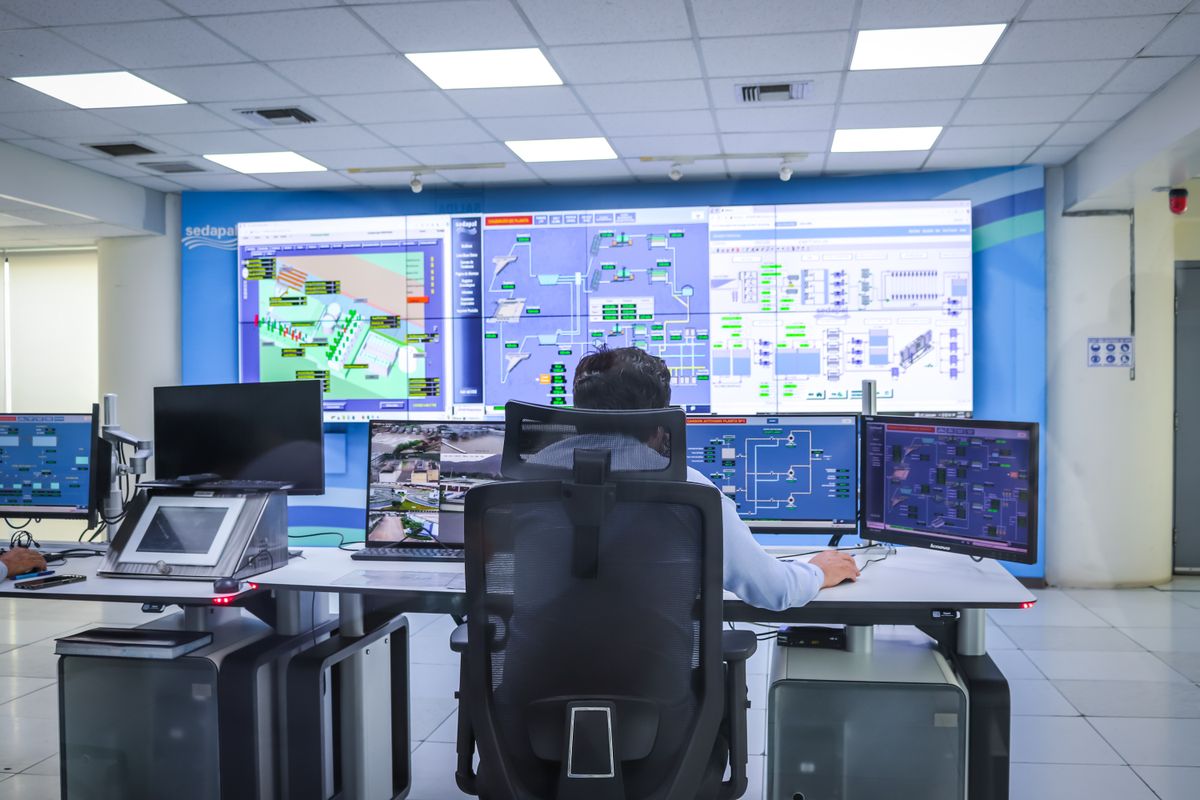
The scale of the data-center expansion helps explain why Congress is paying attention. According to the proposal, U.S. data-center construction has quadrupled over the past four years. Spending by hyperscalers, the technology giants operating enormous computing networks, is expected to reach roughly $700 billion this year.
Those facilities supply the computing power needed to train and operate AI models, store data, and provide cloud services. Yet their arrival can also strain local power grids, increase water demand, compete with housing and manufacturing projects for land, and consume the time of skilled construction workers.
Wyden said communities are questioning whether the expansion will benefit them as local disruptions increase and workers worry about their long-term career prospects. His proposal is intended to create a revenue stream that could support people and areas harmed by the economic changes associated with AI.
The plan would establish what Wyden’s staff calls the Data Center Public Investment excise tax. It would apply a low single-digit tax rate to the gross receipts of qualifying data-center operators in the United States.
The exact rate has not been determined. The proposal also does not yet specify how much money it could raise, leaving major details open for discussion before formal legislation is introduced.
Popular Tax Breaks Could Disappear
Wyden’s plan would do more than create a new tax. It would also prevent new data centers from using several existing federal incentives. Opportunity Zone funds would no longer be allowed to invest in new data centers. The proposal argues that such facilities do not create enough long-term employment or direct economic activity to justify incentives designed to help low-income communities.
New data-center assets would also lose access to 100 percent bonus depreciation, which allows companies to deduct qualifying investments quickly. Rents paid by new data centers would be excluded from the tax-favorable Real Estate Investment Trust regime.
The proposal would include exemptions intended to protect smaller operations. Small corporate information-technology departments, basic internet infrastructure and local data-center businesses would generally fall outside the tax, provided they are not supplying services to major hyperscalers.
Older facilities could receive partial protection as well. For most operators, assets placed into service before 2024 would have less exposure to the tax, reflecting Wyden’s attempt to focus the policy on the current construction surge rather than long-established facilities.
Anti-avoidance provisions would target companies that use complicated ownership or leasing arrangements to minimize their reported revenue. Large operators with more than $25 billion in data-center assets and major customers spending at least $2 billion annually on data-center services could face a minimum gross-receipts calculation based partly on operating costs, electricity, wages and property values.
The proposal even anticipates the possibility of data centers operating beyond Earth. Services provided to American customers by space-based data centers would remain taxable, with withholding taxes potentially applied to payments sent to non-U.S. operators.
Democrats are Debating How Far to Go
Wyden’s approach is less aggressive than proposals from some members of his party. Sen. Bernie Sanders of Vermont and Rep. Alexandria Ocasio-Cortez of New York have pushed for a temporary national halt on new AI data centers until stronger protections are established. Sanders has separately proposed giving the public a 50 percent ownership stake in the largest AI companies through a one-time equity tax.
Rep. Greg Casar of Texas has discussed taxing AI “tokens,” effectively charging companies according to the computing activity used by their models. Sen. Elizabeth Warren of Massachusetts has also called for taxing AI companies and data centers to finance stronger public services and worker protections.
Wyden is taking a narrower route. His proposal does not seek to stop data-center construction or transfer company ownership to the government. Instead, it argues that companies benefiting from the boom should contribute more toward the public costs it creates.
How the revenue would ultimately be spent remains undecided. Wyden’s staff says helping workers adversely affected by widespread AI adoption should be a priority, but it is seeking public input before committing to a specific program.
The political path will be difficult, particularly with Republicans controlling Congress and generally warning against policies that could slow American innovation. Still, the proposal signals that AI taxation is moving from a theoretical debate toward a serious policy fight.
The question hanging over Washington is becoming harder to ignore: If artificial intelligence transforms the economy and reduces the need for human labor, who should pay for the transition?