Zohran Mamdani’s Grocery Store Gamble: Can Five City Supermarkets Fix New York’s Affordability Crisis?
For many New Yorkers, the weekly grocery trip has become a painful reminder of how expensive city life has become. A carton of eggs, a gallon of milk, fresh vegetables, or a basic family shopping basket now represents a growing financial burden for households already struggling with rising rent, transportation costs, and everyday expenses.
That reality sits at the center of Mayor Zohran Mamdani’s ambitious NYC Groceries proposal. This plan would create a network of city-backed supermarkets designed to sell essential goods at significantly lower prices. The proposal is not just about opening grocery stores. It represents a much larger debate about whether government should directly intervene when the private market fails to deliver affordable options.
The initiative has turned a simple question into a major policy battle: Should New York create its own grocery system, or should it remove the barriers preventing private supermarkets from opening in underserved neighborhoods?
The answer could shape how cities across America approach food affordability in the years ahead.
Two New Yorks Exist When It Comes To Buying Groceries
New York City is one of the wealthiest cities in the world, home to global companies, luxury developments, and some of the most expensive neighborhoods on the planet. Yet, within the same city, thousands of residents live in communities where affordable, full-service supermarkets remain difficult to access.
A resident in parts of Manhattan may have multiple grocery options within walking distance, including large national chains and specialty food stores. Meanwhile, residents in areas such as parts of the Bronx, Central Brooklyn, Harlem, and Staten Island may depend heavily on smaller neighborhood stores that often cannot provide the same variety or prices.
The problem is not that New York lacks food retailers. The city has thousands of grocery businesses, bodegas, and convenience stores. The deeper issue is that access to affordable, large-scale supermarkets is uneven.
For many families, the challenge is not simply finding food. It is finding fresh food at prices that fit within their budgets.
A supermarket with wider aisles, larger inventories, and stronger supplier relationships can offer hundreds or thousands of products at lower prices. Smaller stores, despite serving important community roles, often face higher costs because they cannot purchase goods at the same scale.
This creates a difficult contradiction: New York has enormous consumer demand, but many neighborhoods still lack the type of supermarkets that typically drive down prices.
Mamdani’s NYC Groceries Plan Takes Government Into New Territory
Mamdani’s grocery proposal aims to address this imbalance through a network of five city-backed supermarkets, with at least one location planned in each borough.
The program would cost an estimated $70 million and focus on communities where residents have historically faced limited access to affordable grocery options.
Two early locations have drawn attention.
One planned supermarket would serve Hunts Point in the Bronx, an area widely known for its massive food distribution infrastructure but also for neighborhoods where residents have struggled with access to affordable retail grocery options.
Another location is planned for East Harlem’s La Marqueta district, an area with deep cultural and commercial history.
The proposed stores would operate differently from traditional government facilities. Rather than city employees running the supermarkets, private grocery operators would manage daily operations through agreements with the city.
These companies would be responsible for:
- Purchasing products
- Hiring employees
- Managing inventory
- Operating stores
- Maintaining customer service standards
The city’s role would be supporting affordability.
The program’s central idea is a standardized basket of essential goods, including products such as meat, seafood, dairy, eggs, butter, and other household staples.
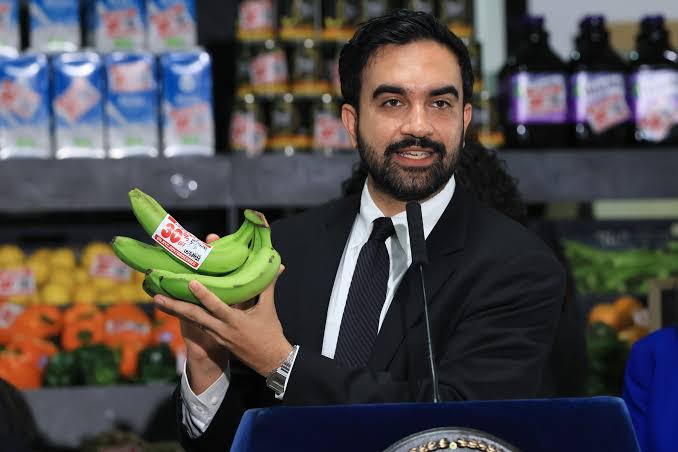
The administration has proposed keeping prices for those core items around 30% below typical retail prices, giving families more predictable monthly grocery expenses.
The strategy reflects a broader affordability approach: instead of simply providing financial assistance, the city would attempt to lower the cost of everyday necessities directly.
The Billion-Dollar Question: Can Five Stores Compete Against Grocery Giants?
The biggest challenge facing NYC Groceries is not the demand for cheaper food. Almost everyone agrees that affordable groceries are needed.
The challenge is competing in an industry where success depends heavily on size.
Supermarket chains have spent decades building enormous purchasing networks. Their ability to buy products in bulk allows them to negotiate lower prices from suppliers.
A national retailer operating hundreds of locations can spread costs across a massive customer base. It can invest in logistics systems, distribution centers, technology, and pricing strategies that smaller operators cannot easily replicate.
A five-store network would be entering a marketplace dominated by companies with far greater resources.
The grocery industry is also known for tight profit margins. Stores must carefully manage everything from inventory waste to labor costs because even small inefficiencies can affect profitability.
Supporters argue that government support can solve the affordability gap by helping stores operate where traditional businesses have struggled.
Critics argue that the city may be addressing the symptoms rather than the cause.
The Hidden Problem Behind New York’s Food Deserts: Space
One of the least discussed parts of the grocery debate is the simple issue of real estate.
Modern supermarkets need large spaces. A full-service grocery store requires room for:
- Wide customer aisles
- Refrigerated sections
- Storage facilities
- Delivery access
- Loading areas
- Parking or transportation access
In suburban areas, these requirements are easier to meet because land is more available and less expensive.
In New York City, every square foot comes with enormous competition.
A potential supermarket location may compete against residential towers, offices, entertainment venues, and other commercial developments that can generate higher returns.
This creates a difficult environment for grocery companies.
Even when a neighborhood has strong demand, opening a supermarket can require navigating expensive real estate, complicated approval processes, and long development timelines.
Some urban policy experts argue that New York’s shortage of supermarkets is partly a result of these barriers.
Their argument is simple: if more companies could build larger stores more easily, competition would increase, and prices would naturally become more competitive.
Why New York’s Small Stores Matter In The Grocery Debate
The discussion around supermarkets often focuses on large chains, but New York’s smaller stores remain essential parts of neighborhood life.
Bodegas and independent food retailers provide convenience, cultural identity, and quick access to everyday necessities.
For many residents, these businesses are more than stores. They are community institutions.
However, their size creates economic limitations.
A small neighborhood store may not have the space to carry dozens of brands of fresh produce, bulk products, or lower-cost alternatives. It may also pay higher prices when purchasing inventory because it lacks the buying power of larger retailers.
The arrival of city-backed supermarkets raises an important question:
Can New York improve grocery affordability while protecting the small businesses that have served communities for generations?
The answer may determine whether the program becomes a complement to existing stores or a source of new competition.
Grocery Access Is Becoming A Test Of Urban Affordability

Mamdani’s grocery proposal represents a much bigger conversation happening in cities across America.
Housing affordability, transportation costs, healthcare expenses, and grocery prices are increasingly connected in the public debate over the cost of living.
For supporters, NYC Groceries is an example of government responding directly to a basic need.
They argue that when markets fail to provide affordable access, public action becomes necessary.
For critics, the concern is whether government should operate businesses or focus on creating better conditions for private investment.
Both sides agree on one thing: many New Yorkers are paying too much for necessities.
The disagreement is over the solution.
The Real Test Will Be Whether Residents Feel The Difference
The success of NYC Groceries will not be measured only by whether the stores open.
The bigger question will be whether families actually notice a difference when they shop.
Will prices remain consistently lower?
Will residents travel to these stores?
Will private supermarkets respond with better prices and more investment?
Will the program expand beyond five locations?
Those questions will determine whether Mamdani’s grocery experiment becomes a model for other cities or a costly attempt to solve a problem with limited tools.
New York’s supermarket debate is ultimately about more than food. It is about the role of government, the power of markets, and what cities should do when residents cannot afford the basics.
A grocery cart may seem ordinary, but in New York’s affordability crisis, it has become a symbol of a much larger battle over the future of urban living.