Jamie Dimon Says America Left Lower-Income Families Behind as the Wealth Divide Deepens
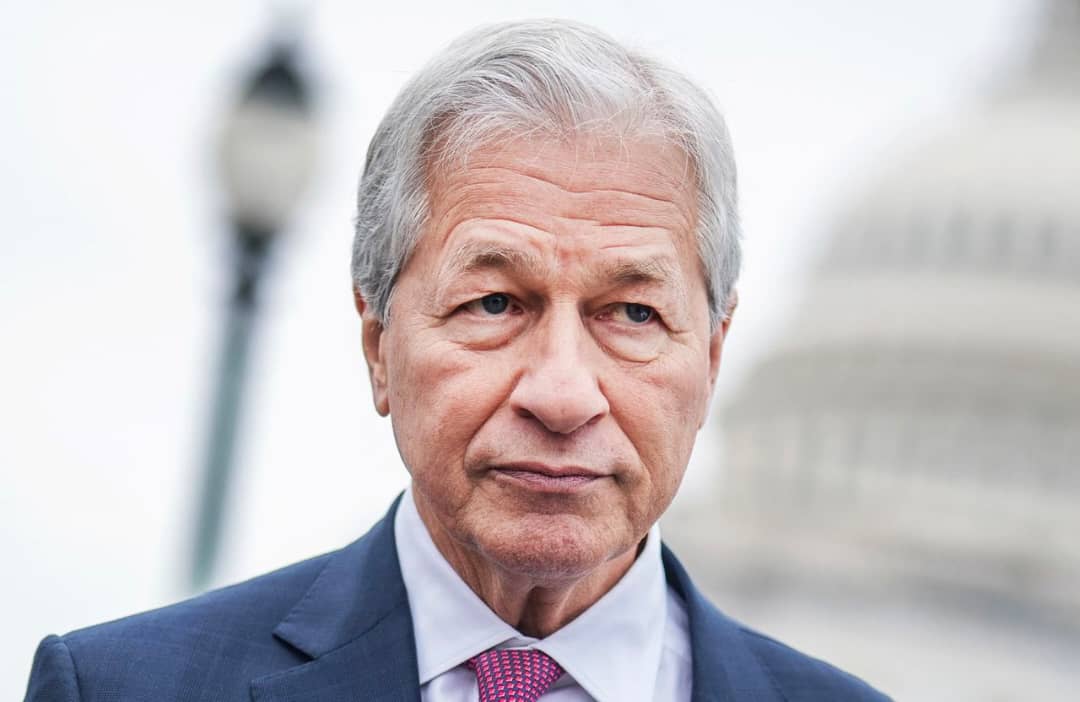
America’s anger at the wealthy is becoming harder to dismiss as simple envy. Jamie Dimon, chairman and CEO of JPMorgan Chase, says the frustration has grown because lower-income Americans have been left behind while fortunes at the top keep expanding.
His remarks put wealth inequality in America back at the center of a much larger debate about schools, jobs, neighborhood safety, financial security, and whether the American Dream still offers a believable path upward. The numbers help explain why his warning is resonating with families across rural communities, inner cities, and working-class suburbs.
Here is what Americans need to understand about Dimon’s warning and why it reaches far beyond another debate over billionaires.
A Billionaire Acknowledges the Anger
Dimon told Axios that anti-rich sentiment has existed for years, but he connected its resurgence to communities that have not shared equally in economic progress. He pointed to families in struggling rural and inner-city areas where schools may underperform, jobs are harder to find, and disadvantages can pass from parents to children. His argument was not that success should be punished. It is that resentment becomes understandable when prosperity feels visible everywhere except in the lives of people working hardest to catch up. That makes his admission difficult for business leaders to dismiss.
The Wealth Numbers Are Difficult to Ignore
Federal Reserve figures cited by Fox News placed total U.S. household wealth at about $174 trillion in early 2026. The bottom half of households owned roughly $4.27 trillion, while the richest 0.1 percent held about $25.07 trillion. That leaves half the country with only a small share of the national total. Wealth inequality in America is not simply a debate about salaries. It reflects who owns homes, stocks, businesses, retirement accounts, and other assets that can rise in value without requiring another hour of work. The gap compounds as those assets appreciate, making yesterday’s advantage even more valuable tomorrow.
Two Economies Can Exist at the Same Time
The Federal Reserve found that 73 percent of adults described themselves as doing okay financially or living comfortably in 2025. Yet the same survey showed that price increases remained a concern for 91 percent, while worries about finding or keeping a job rose to 42 percent. Financial well-being also declined among low-income households and young adults. Those findings explain why strong national totals can coexist with dissatisfaction. A family can be surviving and still feel that one rent increase, layoff, or medical expense could undo years of effort. Managing is not the same as feeling secure.
The Starting Line Is Not the Same Everywhere
Dimon focused heavily on unequal access to opportunity. Higher-income households can often choose stronger schools, safer neighborhoods, reliable transportation, and networks that open doors to better jobs. Families with fewer resources may face weaker local institutions and fewer employers before personal choices even enter the picture. That does not erase individual responsibility, but it changes the starting line. When those disadvantages continue across generations, the wealth divide becomes more than an income problem. It becomes a question of whether location quietly determines a child’s future.
The AI Boom Could Widen the Distance

Artificial intelligence adds another layer to the concern. AI-related companies have driven excitement across the market, creating substantial gains for many shareholders. But households that own little or no stock receive far less direct benefit from that boom. At the same time, workers worry that automation could reshape or eliminate certain jobs before new opportunities reach them. Dimon is not arguing that America should reject AI. He said leaders are more likely to demand that AI be controlled and made to work for society. The challenge is ensuring that productivity gains create better jobs and broader opportunity rather than rewarding only investors and executives. That outcome is not guaranteed.
This Is a Warning About Capitalism’s Credibility
Dimon’s comments were not an attack on wealth creation. They were a warning about what happens when people stop believing the system is open to them. Capitalism depends partly on aspiration. Workers may accept unequal outcomes when they believe effort, education, and risk can improve their position. That trust weakens when local industries disappear, wages fail to create security, and asset owners move further ahead. The greatest danger is not that Americans become anti-rich. It is that they conclude the rules no longer offer a meaningful route to stability, ownership, or a better future.
Better Policy Is the Test That Comes Next
Dimon called for stronger public policy supported across political lines and by organized labor. His broader American Dream initiative, announced by JPMorgan Chase in March, includes planned efforts involving small-business lending, affordable housing, and job training. Those plans provide context, but they do not settle the larger question. Americans will judge the response by measurable results: more viable businesses, stronger local employment, improved housing access, and clearer routes into skilled careers. Acknowledging the divide matters, but acknowledgment without visible change will quickly sound hollow.
The Phrase That Could Distort the Story
The words “kind of annoying” are likely to dominate reactions, but they require context. Dimon was describing how an average citizen might feel while watching wealthy people become extraordinarily richer as another segment remains stuck. He was not calling struggling Americans annoying. Keeping that distinction clear is important both journalistically and legally. A headline or summary that reverses the meaning could create a misleading impression. The accurate story is that one of Wall Street’s most powerful figures understands why economic resentment has intensified, even if readers question the proposed response.
Jamie Dimon’s warning matters because it comes from inside the financial system that has produced enormous wealth. He is not calling for equal fortunes or an end to markets. He is arguing that America cannot ignore communities where opportunity is shrinking and hardship is becoming inherited.
Wealth inequality in America becomes politically dangerous when people lose faith that work can lead to progress. The country does not need everyone to finish in the same place, but it does need citizens to believe the race is real, the rules are credible, and the starting line is not permanently fixed.