Capital One Closed Trump Organization Accounts, Fueling New Battle Over Banks, Politics, and Power
A banking decision involving Donald Trump’s business empire has turned into the latest political showdown, as 1 major financial institution, 1 former president, and decades of debate over corporate power collide in a controversy drawing national attention.
Capital One has confirmed that it closed accounts connected to the Trump Organization, creating a fresh dispute over whether banks are simply managing business risks or whether political pressure is influencing financial decisions.
The decision comes after years of scrutiny surrounding Trump’s companies, which have faced multiple investigations, more than 1 high-profile civil case, and billions of dollars in reported business assets tied to the former president’s global brand. For Trump’s allies, the move raises concerns about whether conservative figures are being treated differently by major corporations. For critics, it represents a private company making its own risk assessment.
The controversy arrives at a time when “debanking” has become a growing political issue. Over the past 5 years, lawmakers, businesses, and advocacy groups have debated whether financial institutions should have broader protections to cut ties with controversial customers or stronger limits preventing discrimination based on political beliefs.
A Simple Account Closure Becomes a National Political Fight

One corporate decision involving a handful of accounts has triggered a debate affecting millions of Americans who rely on banks every day.
Capital One’s decision highlights a larger question: how much control should private financial institutions have over who receives banking services? The U.S. has more than 4,000 federally insured banks, meaning decisions made by major institutions can influence national conversations about financial access.
Banks regularly review customer relationships, especially when dealing with politically exposed individuals or companies with complex legal and regulatory histories. These reviews can involve hundreds of compliance checks, including monitoring transactions, assessing risk, and meeting federal requirements designed to prevent financial crimes.
Trump supporters argue that politically influential companies should not face financial penalties because of public controversy. They point to what they describe as a pattern of major corporations distancing themselves from Trump-aligned organizations after his presidency.
Critics counter that banks have always had the authority to make independent decisions. They argue that financial institutions manage relationships with millions of customers and must consider reputation, regulation, and business risk.
Trump’s Business Empire Faces Another Corporate Test
The account closures add another challenge for a business organization that has spent years under intense legal and financial scrutiny.
The Trump Organization remains one of the most recognizable business brands in America, with interests spanning real estate, hospitality, licensing, and golf properties. The company has operated for more than 50 years, building a global name that became inseparable from Donald Trump’s political identity.
That connection has created unique challenges. Few private companies have faced the same level of public attention, with Trump’s businesses becoming part of debates involving elections, government investigations, and corporate responsibility.
Financial institutions often treat politically connected individuals differently because of increased public visibility. Under international banking standards, politically exposed persons can receive additional scrutiny because of concerns related to corruption risks, regulatory exposure, and reputation management.
Supporters of Trump argue that this extra scrutiny can become unfair treatment. They say a person’s political success should not automatically make them a higher-risk customer.
The Bigger Fight Over “Debanking” in America
The Trump account controversy is part of a wider debate over whether banks have too much influence over individuals, companies, and political movements.
The term “debanking” has gained attention in recent years as politicians from different backgrounds question when and why financial institutions cut ties with customers. The debate has expanded beyond Trump, involving activists, cryptocurrency companies, and organizations involved in controversial industries.
The issue became especially visible after the 2008 financial crisis, when regulators increased pressure on banks to strengthen compliance systems. Since then, banks have invested billions of dollars into risk management programs designed to avoid penalties.
Supporters of stronger banking protections argue that losing access to financial services can be devastating because modern businesses depend on banking relationships for payroll, payments, loans, and daily operations.
Opponents argue that forcing banks to maintain relationships with customers they consider risky could weaken financial safeguards and expose institutions to unnecessary problems.
Why This Fight Matters Beyond Donald Trump
The dispute involves one former president, but the outcome could influence how millions of Americans view corporate power.
The conflict touches on a much broader question: should companies be able to make decisions based on risk alone, or should they face limits when those decisions affect politically connected individuals?
Americans have seen similar debates involving technology companies, payment platforms, and financial institutions. In many cases, the disagreement centers around the same issue: whether corporate decisions are neutral business choices or reflections of political priorities.
With more than 330 million people in the United States depending on financial institutions for everyday transactions, banking access remains a deeply personal issue. A decision involving a major public figure can quickly become a symbol in a larger national debate.
For supporters of Trump, the Capital One decision reinforces concerns about what they see as growing corporate influence over political voices. For critics, it demonstrates the independence of private companies making decisions without government involvement.
A New Battle Line Between Wall Street and Washington
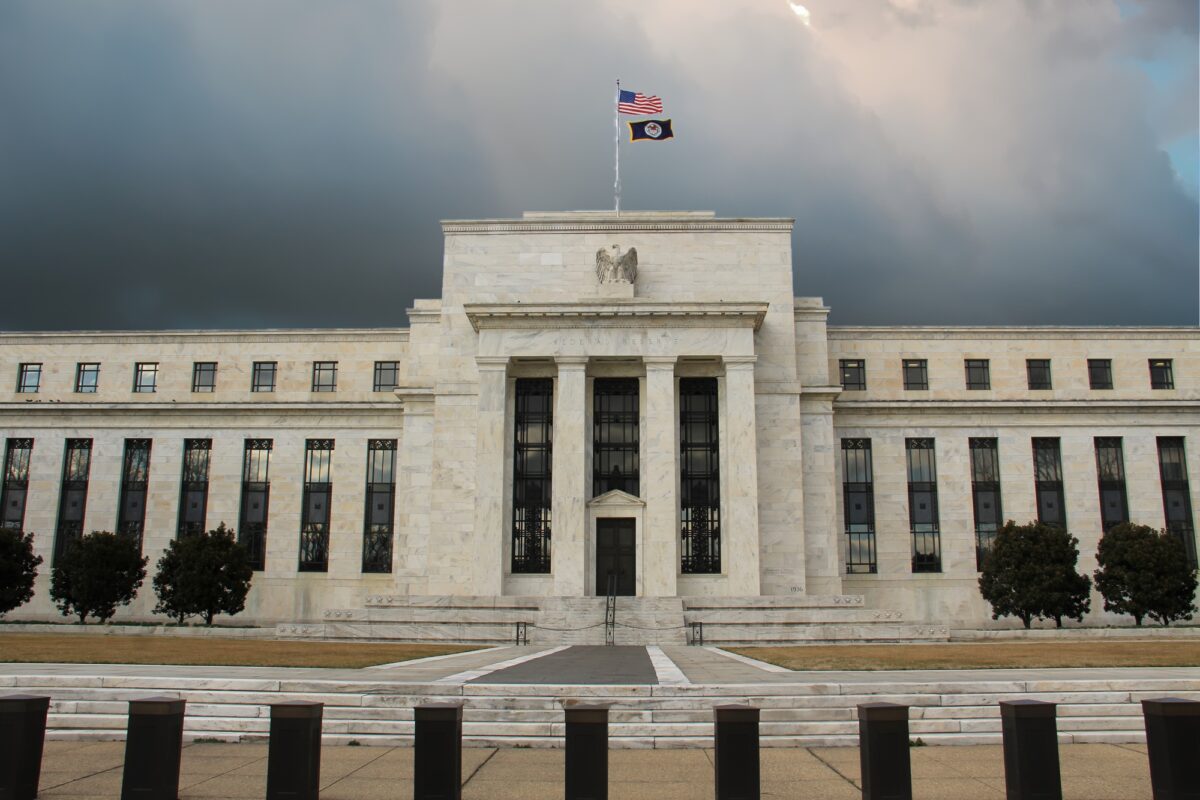
The Capital One controversy shows how the relationship between politics and business has become harder to separate in modern America.
Donald Trump’s career has always existed at the intersection of business and politics. From building a real estate empire to becoming president, his brand has remained one of the most recognizable and debated in the country.
The Capital One decision adds another chapter to that story. It raises questions about how companies handle relationships with controversial figures and whether financial institutions should play a role in political disputes.
As lawmakers continue debating banking access, corporate responsibility, and political neutrality, the issue is unlikely to disappear. The next major fight may not only be about Trump or one bank, but about how America defines fairness when money, business, and politics collide.
For millions watching the debate unfold, the central question remains: where should a private company’s responsibility end, and where should public accountability begin?