Ford Kentucky Layoffs: Why 1,600 BlueOval SK Workers Are Caught in Ford’s Expensive EV Battery Pivot
The electric vehicle boom was supposed to bring a new kind of factory town to Kentucky. In Glendale, the promise was big: battery jobs, advanced manufacturing, and a front-row seat in America’s EV future. Then the plot changed.
Roughly 1,600 BlueOval SK workers are now caught in the middle of Ford’s costly rethink of its electric vehicle battery strategy. The plant that once symbolized the next chapter of auto manufacturing is being redirected toward a different battery market: energy storage for utilities, data centers, and large industrial customers.
That sounds like a corporate strategy shift. For workers, it feels much more personal. It means layoffs, uncertainty, reapplications, retraining, and a painful reminder that even “future-proof” jobs can disappear when the future arrives slower than expected.
Here are some key reasons Ford’s Kentucky battery layoffs matter far beyond one factory floor.
The Workers Are Paying the Price of a Corporate Pivot
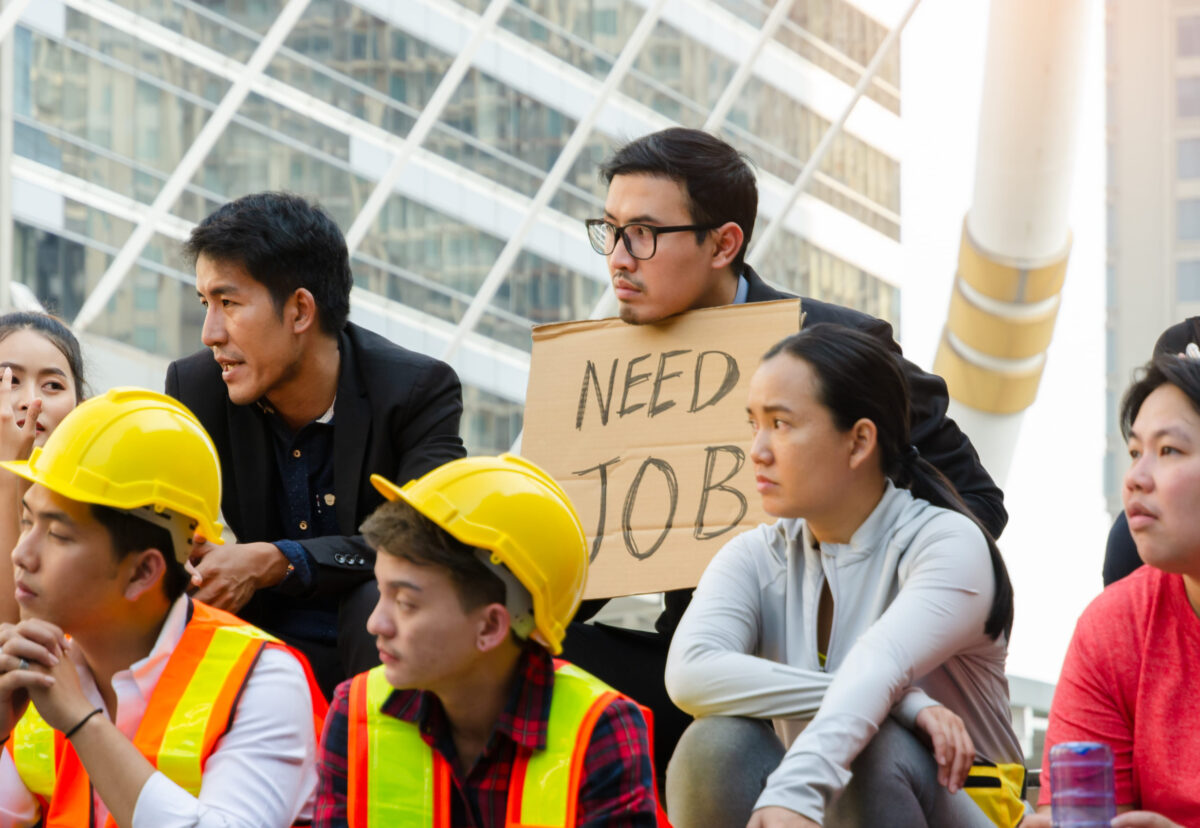
Corporate language can make layoffs sound clean. “Restructuring.” “Disposition.” “Repurposing.” “Strategic realignment.” None of those words capture what happens when a worker has to tell their family that the job they thought was stable has vanished.
Reports on the BlueOval SK layoffs said roughly 1,500 workers were initially expected to be affected, with additional layoffs involving about 10% of the remaining workforce later. The winding down followed the December 2025 agreement between Ford and SK On to dissolve their BlueOval SK joint venture amid lower-than-expected EV demand.
That staged timeline may look orderly from a distance. On the ground, it creates anxiety. Workers have to calculate rent, mortgages, childcare, car payments, groceries, and health coverage while waiting to see whether Ford’s next version of the plant has room for them. The hardest part is that these workers did not choose the pivot. They became the human cost of it.
A Kentucky EV Dream Just Hit a Hard Reset
BlueOval SK was never just another factory name. It was part of a much larger vision that placed Kentucky inside the electric vehicle supply chain. Ford and SK On created the joint venture to build batteries for Ford and Lincoln EVs, and the Glendale site became a symbol of how traditional auto jobs could evolve into clean-energy manufacturing. That is why the layoffs land with such force.
The plant was promoted as part of a high-tech manufacturing wave. Workers came in believing they were helping build the battery backbone of America’s EV transition. Now, many are discovering that the EV market did not grow fast enough to protect their jobs from Ford’s financial reality.
Ford’s own securities filing shows the scale of the reversal. The company said it expected an approximately $3 billion pre-tax charge related to the impairment of its BlueOval SK investment following its entry into a Joint Venture Disposition Agreement with SK On and related parties. Ford described the charge as a special item that would not result in cash expenditures, but the accounting hit still shows how expensive the shift has become.
The Layoffs Are About More Than One Plant
It would be easy to read this as a local Kentucky layoff story. That would be too small. This is really a story about the collision between political promises, consumer behavior, corporate forecasts, and manufacturing workers who trusted the boom. Ford bet heavily on EV battery capacity. The company then faced weaker-than-expected EV adoption, changing policy conditions, pricing pressure, and a consumer market that did not match the most optimistic forecasts.
Federal labor officials have already treated the fallout as serious enough to justify targeted help. The U.S. Department of Labor awarded $2 million to Kentucky to support workers affected by mass layoffs and closures across multiple employers, including BlueOval SK. The agency said layoffs and closures at major manufacturing and advanced production facilities affected 2,414 workers between August 2025 and March 2026.
That detail matters because it places BlueOval SK inside a broader Kentucky labor shock. The issue is not only that one company changed direction. It is possible that the local job market may not be able to absorb displaced workers in advanced manufacturing quickly enough.
Ford Is Not Abandoning Batteries. It Is Changing Customers

The twist in this story is that Ford is not walking away from batteries entirely. It is moving away from one kind of battery future and toward another.
Instead of focusing the Kentucky site on EV battery production, Ford is repurposing the facility toward energy storage systems. These batteries are not meant to sit under electric trucks in driveways. They are designed to support data centers, utilities, factories, and large power users.
That shift says a lot about where Ford sees steadier demand. EV buyers have been more cautious than automakers expected. Data centers, however, are hungry for electricity. Utilities need storage to manage grid pressure. Industrial customers want backup power and energy flexibility.
Ford has said it plans to bring initial capacity online within 18 months and aims to deploy at least 20 GWh annually in the U.S. battery energy storage systems market by late 2027.
So the Kentucky plant may still have a future. The problem is that workers are being asked to survive the gap between the old plan and the new one.
Kentucky Was Sold a Jobs Story. Now It Needs a Worker Story
For years, states competed to attract battery plants with incentives, infrastructure promises, and public celebrations. The pitch was simple: land the factory, win the future. But the BlueOval SK layoffs show that landing the factory is only the beginning. What matters next is whether workers have protection when a company changes direction.
Local reporting has pointed to broader questions about the return on Kentucky’s BlueOval SK investment, including expectations that the project would eventually bring thousands of jobs by 2031. After the layoffs, that promise looks more complicated.
This is where the story becomes bigger than Ford. State and local leaders will have to explain how communities should measure success when a high-profile project brings construction, attention, and early jobs, but then changes course before delivering the full long-term employment vision. The question is no longer only, “Did Kentucky attract a battery plant?” It is, “Can Kentucky protect workers when the battery business changes shape?”
The EV Market Is Still Growing, But Not the Way Ford Expected
The BlueOval SK layoffs do not mean electric vehicles are dead. That would be too dramatic and too simple. The better reading is that the EV market is maturing unevenly. Some customers still want electric cars. Some prefer hybrids. Some are waiting for cheaper models, better charging access, or more confidence in battery range. Automakers that once raced to build large EV capacity are now being forced to match production plans with actual demand.
Ford’s filing points to lower-than-anticipated industry EV adoption and changing market conditions as part of its restructuring. That is the uncomfortable lesson for workers and communities: a growing industry can still lead to layoffs if companies build too much too quickly, choose the wrong vehicle mix, or rely on incentives that later change. Battery jobs may still be part of America’s manufacturing future. But they may not arrive in a straight line.
Data Centers May Become the New Battery Gold Rush

The most interesting part of Ford’s pivot is where the company is going next. Energy storage is becoming more valuable as modern life uses more electricity. Data centers need enormous amounts of power to support cloud computing, artificial intelligence, streaming, and digital services. Utilities need batteries to store electricity and stabilize the grid. Large companies want backup systems that can keep operations running when power demand spikes. That gives Ford a new battery customer: not the driver, but the power user.
This is a very different business from selling EV batteries for trucks and SUVs. The demand may be less emotional and more practical. Data centers do not worry about charging anxiety. Utilities do not care about cup holders. Industrial customers are not comparing trim packages. They need power, storage, reliability, and scale. That may be why Ford still sees value in the Kentucky plant, even after stepping away from the original EV battery plan.
Ford’s Expensive Pivot Is a Warning for America’s Factory Towns
The BlueOval SK story should make every state, city, and county think harder about the fine print behind “jobs of the future.” Future industries are still industries. They rise, shift, slow down, merge, split, and sometimes cut workers just like older sectors. A factory tied to a booming trend can still become vulnerable if the business model changes.
For Kentucky, the lesson is not to reject advanced manufacturing. The lesson is to build stronger worker protections, faster retraining systems, and more realistic public expectations around mega-projects.
For Ford, the lesson is equally sharp. Big EV bets can become very expensive when consumer demand, policy support, and production capacity fall out of sync.
For workers, the lesson is the hardest: even a job in the future economy can become unstable when the company decides the future needs a rewrite.
The Kentucky Plant May Survive, But the Original Promise Did Not

via shutterstock
The Glendale facility may still become an important part of Ford’s battery future. It may produce energy storage systems that help power data centers, utilities, and industrial customers. It may bring new jobs back to the region. It may even become a model for how older EV battery plans can be converted into a new kind of energy business.
But that does not erase what happened to the 1,600 workers caught in the transition. They were hired into one vision and laid off before the next one fully arrived. That is why this story matters. It is not just about Ford. It is about the gap between announcement-day optimism and layoff-day reality. It is about what happens when America’s clean-energy promises meet slower consumer demand, corporate losses, and a manufacturing system that can change faster than workers can recover.
The EV future is not over in Kentucky. But for 1,600 BlueOval SK workers, it has already taken a painful detour.