Don’t Serve It Yet: 10 Foods That Get Better After a Little Patience
Some dinners are at their best the second time around. A night in the refrigerator gives sauces, spices, and aromatics more time to meld, which is why certain leftovers taste more rounded and deeply seasoned the next day. But the rule isn’t universal: crispy foods, delicate seafood, and dressed salads usually lose the very texture that made them exciting in the first place.
A new, not-yet-peer-reviewed sensory study from Deakin University adds a useful reality check to the old “leftovers are always better” claim. In blind tests of lasagna, dhal, butter chicken and apple crumble, only butter chicken was clearly preferred after 24 hours; nearly 64% of direct comparisons favored the day-old version. “These findings show that the next-day effect is modest, food-specific, and dependent on the sensory outcome measured,” the researchers wrote.
Saucy Dinners That Love a Pause

- Chili is practically built for a next-day comeback. Tomatoes, beans, meat or vegetables, chilies, onions, garlic and spices all have time to mingle in the pot and then continue settling as the chili cools. The result is a more unified flavor, rather than a bowl where the cumin, tomato, and chile heat each announce themselves separately.Reheat only the portion you intend to eat, then taste before adding extra salt or hot sauce; concentrated flavors may mean it needs less than you remember.
- Curry is another strong candidate for a make-ahead meal, particularly versions with a sauce rich in spices, aromatics and fat. Many spice compounds are fat-soluble, so they can disperse through the sauce as it rests, while garlic and onion notes soften. The Deakin experiment does not prove every curry improves overnight, but its butter chicken result suggests that some saucy, heavily spiced dishes can benefit from a day in the refrigerator.
- Tomato sauce earns more time before it meets pasta. A simple marinara can taste brighter and more cohesive after it has rested, and a meat sauce has time for the tomato, aromatics and fat to come together. The practical trick is to store the sauce separately from pasta when possible. Sauce may improve in the refrigerator, but cooked noodles continue absorbing liquid and can become overly soft by the next day.
- Stews and braises are ideal for people who want tomorrow’s dinner handled today. Their broths, tender vegetables and slow-cooked meat are not dependent on a crisp surface, and they have many components that benefit from being together longer. Collagen-rich cuts of meat create gelatin during cooking, which can give a reheated stew a fuller, more luxurious mouthfeel. A batch of beef stew, chicken braise or bean-heavy vegetable stew is often a better candidate for overnight storage than a meal that relies on last-minute crunch.
Related: 5 Protein-Packed Foods That Make Meatless Dinners Feel Like a Real Meal
Comfort Foods That Settle In Nicely
- Lasagna deserves a little respect before serving, and it is also a reliable leftover. Letting a fresh pan rest after baking gives its layers time to set, so slices hold together rather than sliding into a molten pile. After refrigeration, the sauce, cheese and pasta layers become firmer still. The Deakin study found no meaningful overall preference for day-old lasagna, so “better” is not a scientific guarantee, but it remains a practical make-ahead dish that reheats well. mentalfloss
- Other baked casseroles belong on the list for the same reason. A layered dish of vegetables, sauce, grains, beans, cheese or cooked meat can become more cohesive after cooling. The important exception is anything whose appeal depends on a crisp topping; that part may soften in the refrigerator. If crunch matters, store a breadcrumb, cracker or fried-onion topping separately and add it only when you reheat and serve. mentalfloss
- Meatloaf may look humble on day one, but it has serious leftover potential. The loaf firms as it cools, making it easier to slice neatly for sandwiches or a second dinner, while the seasonings distribute more evenly through the meat. Tasting Table points to aromatics such as onion, garlic and pepper as ingredients that can keep contributing flavor and aroma during reheating. Serve it with a warmed sauce or glaze, and you have a second meal that does not feel like an afterthought.
- Bean dishes, including dhal, can gain from sitting, but texture and personal taste still matter. In the Deakin blind test, participants could detect a difference between fresh and day-old dhal 83% of the time when the samples were actually different. That did not translate into a clear preference for the leftover version, which is an important reminder that a noticeable change is not automatically an improvement. Make dhal ahead if the convenience appeals, but do not promise yourself a magical transformation.
A Few Quiet Overachievers
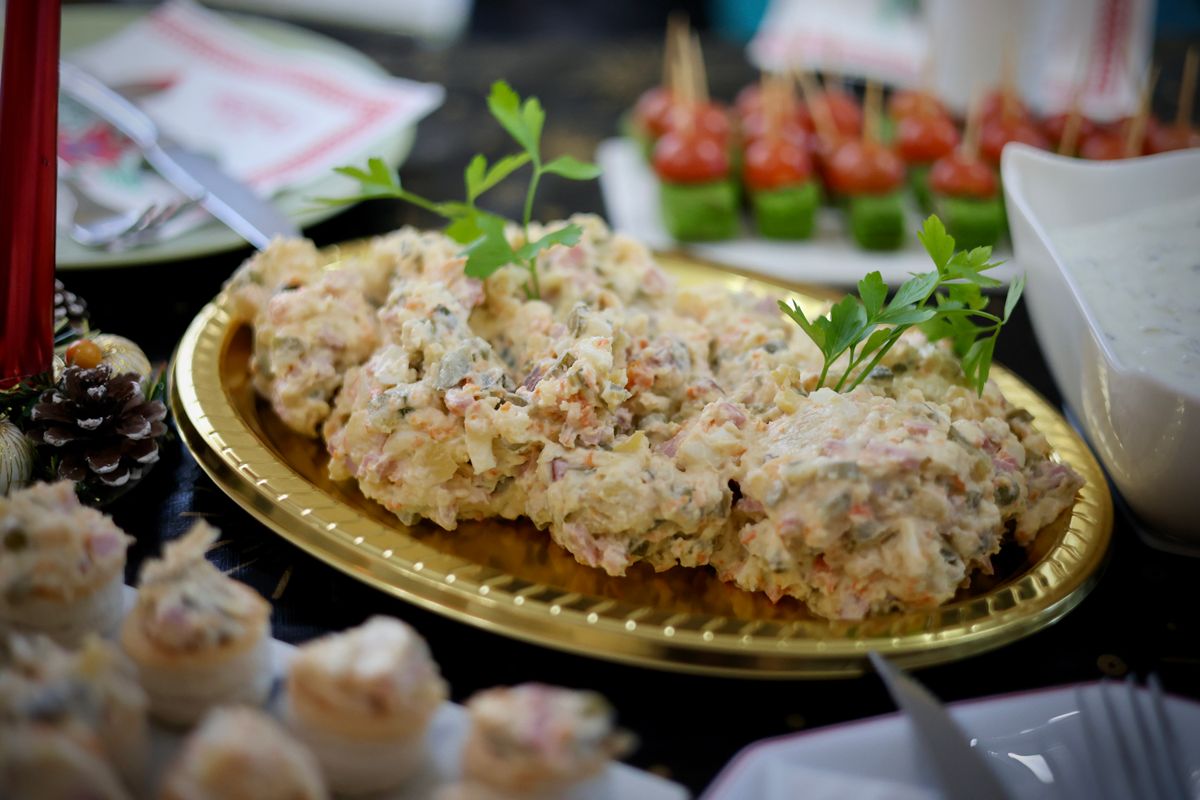
- Potato salad is often better after a rest because the dressing has more time to flavor the potatoes. The rule here is not to leave it sitting out for “flavor development.” Chill it promptly, then let the ingredients rest safely in the refrigerator. Cold potato salads are meant to be served chilled, so reheating them can blur the contrast between the creamy dressing and tender potatoes.
- Apple crumble can change overnight, but it may not improve for everyone. The Deakin study found that people could distinguish the fresh and day-old versions, but they showed no clear overall preference for the leftover dessert. The filling may settle and thicken, while the topping loses some of its first-day crispness. If you like a softer, more integrated fruit filling, day two may be your moment; if you live for a crackling crisp topping, make it fresh or reheat it in the oven rather than the microwave.
The foods that tend to reward patience have something in common: sauce, broth, spices, aromatics or sturdy layers that can handle cooling and reheating. As food rests, flavor compounds redistribute, moisture evens out and assertive onion or garlic notes can mellow. That is why a saucy pot of chili may feel more harmonious the next day, while a dressed green salad mostly gets limp.
There is also a practical psychological benefit: tomorrow’s dinner is already waiting. But “give it time” should never mean leaving it on the counter. Refrigerate leftovers within two hours of serving, or within one hour when temperatures are above 90°F. Divide big batches into smaller containers to cool them faster, keep them refrigerated for three to four days, and reheat leftovers to at least 165°F.
Do not test safety by taking a hopeful taste. Cooked food can harbor harmful bacteria without looking or smelling spoiled, and reheating cannot reliably solve a food that spent too long at room temperature. Label containers with the date, freeze what you will not finish within the recommended window and reheat only the amount you plan to eat.
The best way to use this list is to plan strategically, not to turn every dinner into an overnight project. Make chili on Sunday for Monday lunch, prepare a curry a day before company arrives, or bake a lasagna when you know tomorrow will be busy. The payoff is less cooking when you are tired and, for the right dishes, a meal that has had enough time to become even more itself.
Other Post You Might Also Like
.7 High-Protein Foods I Eat Constantly—And My Brain Thanks Me for It
.8 Highly Protein-Rich Vegetables You Need to Include in Your Diet