2,320 Pounds of Breakfast Sausage Recalled After Plastic Was Found in the Links
A familiar breakfast favorite is at the center of a recall, but the details matter because this was not an ordinary supermarket sausage sale.
Fontanini Foods LLC is recalling about 2,320 pounds of raw, frozen pork breakfast sausage after two customers reported finding clear, hard plastic in the product. The recall was announced September 25, 2026, and the U.S. Department of Agriculture’s Food Safety and Inspection Service classified it as a Class I recall. The affected sausage was produced June 23 and was distributed for foodservice use in California, Florida, Michigan, and Nevada.
This Is the Sausage Actually Covered by the Recall
The most important detail is that this recall does not cover every Fontanini sausage product sitting in a freezer.
The affected product is sold in 10-pound cardboard cases labeled “Fontanini PORK SAUSAGE LINKS.” The case should also carry ITEM 393, a shipping label showing “PACKED ON 06/23/2026,” and the USDA inspection mark with establishment number EST. 6944. USA TODAY’s recall report also emphasizes that consumers should pay attention to the specific product information rather than assuming every sausage from the company is involved.
That distinction is important because food recalls are often much narrower than the headlines make them sound. A company can recall one particular production run without recalling its entire product line.
How the Problem Was Discovered
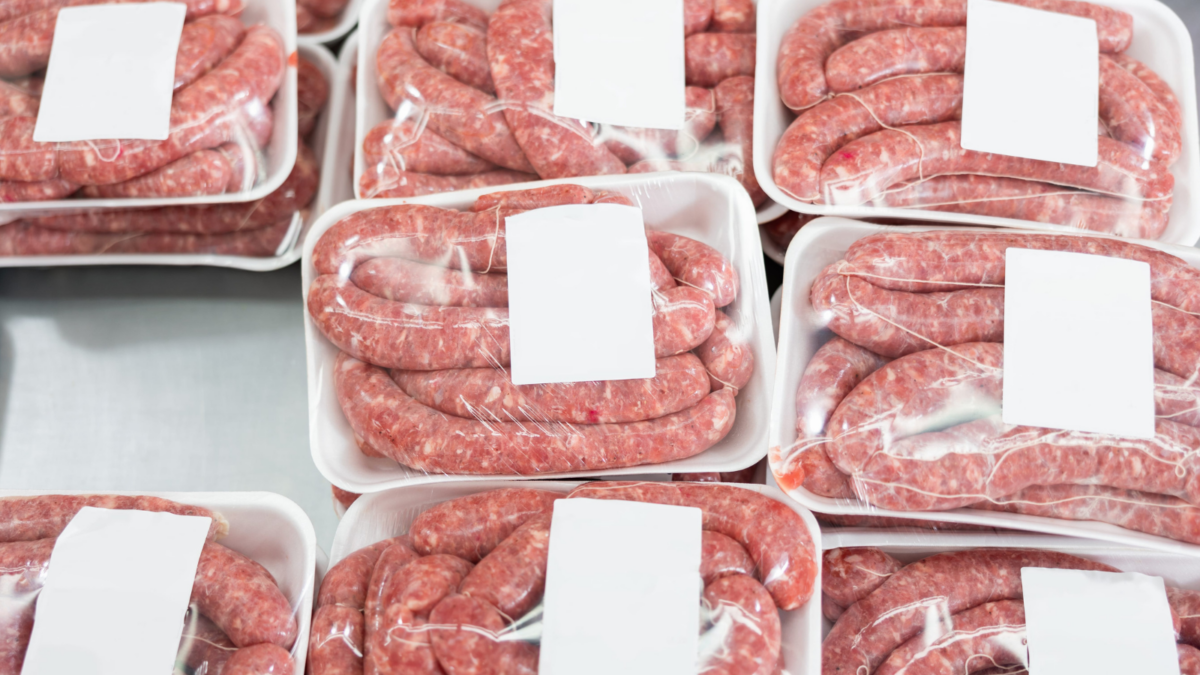
Two customer complaints brought the plastic problem to the company’s attention.
According to the recall information, Fontanini Foods received two complaints involving clear, hard plastic in the sausage. The available information does not establish exactly how the plastic entered the product, so there is no need to invent a dramatic explanation for something investigators have not publicly explained.
What is known is enough to trigger a serious response. The USDA’s classification means the agency considers the situation to present a reasonable probability of serious health consequences if the affected product is used, which is why the sausage should not be served.
Related: 10 Everyday Foods That May Contain Microplastics Without You Knowing
Most Shoppers Were Never Supposed to See This Sausage
Here is the detail that may calm some ordinary grocery shoppers: the recalled product was not sold directly to consumers in retail stores.
Distributors distributed the sausage to foodservice operators, including restaurants, in four states. Yahoo’s report on the Fontanini recall notes that the affected product was intended for foodservice rather than normal retail shelves.
That means this is particularly relevant to restaurants, foodservice kitchens, and other establishments that may have frozen inventory. The concern is that some cases could still be sitting in commercial freezers, waiting to become part of a breakfast plate or another prepared dish.
What Restaurants Should Do
For a restaurant, this is one of those moments when checking the freezer matters more than checking the breakfast menu.
Foodservice establishments should look for the exact product identifiers rather than relying on the brand name alone. If a case matches the recalled item, it should not be served and should instead be discarded or returned according to the recall instructions.
The recall information also says that customers who received the affected product were directly notified. That creates an important layer of protection, but checking physical inventory still matters because food can move through kitchens quickly and freezer records are not always perfect.
No Confirmed Injuries Have Been Reported
The recall is serious, but there is an important distinction between a potential hazard and confirmed illness.
Based on available recall information, no confirmed reports of injuries or adverse reactions have been linked to consuming the recalled sausage. People also reports that the recall followed two complaints about hard plastic and that no injuries have been confirmed.
That does not make the affected product safe to eat. It simply means there is currently no confirmed record of someone being harmed by this particular recalled batch.
A Reminder About the Food on Your Plate
Food recalls can sound distant until you realize how quickly a product can travel from a production facility into an ordinary restaurant kitchen.
A box of frozen sausage may pass through several hands before it becomes breakfast, which is why product codes, production dates, and establishment numbers matter. For anyone working in foodservice, those small details are not paperwork for paperwork’s sake—they let a kitchen find a specific product before it reaches another plate.
And for diners, the biggest lesson may be simpler: a recall headline does not automatically mean every product of that type is affected. The details tell the real story.
If you regularly eat breakfast at restaurants, would a recall like this make you more likely to ask where the restaurant sources its sausage?