8 Old-School Foods That Were Popular Before Frozen Dinners Took Over
There was a time when supper in America did not come out of a cardboard box. Before the freezer aisle grew into a wall of glowing glass doors, dinner was something a mother, grandmother, or hardworking father put together from the pantry, the icebox, and whatever the butcher had that week. Meals took planning, and most families ate the same handful of dishes over and over.
Then, in 1953, Swanson introduced its famous TV dinner, and everything began to change. According to the Smithsonian, the company sold millions of those aluminum trays in the first full year alone. Convenience won, and many of the dishes families once made from scratch slowly faded from the table.
Some of those older meals were humble, some were a little strange by today’s standards, and a few deserve a second chance. Here is a look back at eight old-school foods that ruled American kitchens before frozen dinners took over, and why so many people still remember them.
1. Creamed Chipped Beef on Toast
Few dishes say “old-fashioned America” quite like creamed chipped beef. Thin, salty slices of dried beef were simmered in a simple white sauce made from butter, flour, and milk, then spooned over toast. It was cheap, filling, and could be made in about fifteen minutes with ingredients most families already had.
The dish was famous in the military, where soldiers gave it a rude nickname that many veterans still use with a grin. At home, it showed up at breakfast and supper alike. Jars of dried beef sat on grocery shelves for decades, and while you can still find them, very few younger cooks know what to do with them.
2. Salmon Croquettes
Canned salmon was once one of the most affordable proteins in the store, and resourceful cooks turned it into crispy patties called croquettes. The salmon was mixed with crushed crackers or bread crumbs, an egg, and a little onion, then shaped by hand and fried in a skillet until golden.
In many Southern homes, salmon croquettes were served with grits, rice, or creamed peas. They stretched one can of fish to feed a whole family, which made them a favorite during lean years. Many grown children still remember the sound of patties sizzling in a cast-iron pan on a weeknight.
3. Chicken à la King
Chicken à la King was the fancy dinner of its day. Diced chicken was folded into a rich cream sauce with mushrooms, green peppers, and pimentos, then served over toast points, rice, or flaky pastry shells. Several famous restaurants and hotels claimed to have invented it in the late 1800s, and nobody has ever settled the argument.
By the 1940s and 1950s, it was a popular choice for ladies’ luncheons, church suppers, and wedding receptions. Home cooks loved it because it turned leftover chicken into something that looked elegant. Today, it is rarely seen outside of old cookbooks and the occasional cafeteria line.
4. Welsh Rarebit
Despite its name, Welsh rarebit contains no rabbit at all. It is a thick, savory cheese sauce, often made with sharp cheddar, mustard, and a splash of beer or milk, poured over toast and sometimes browned under the broiler. The dish came from Britain, but it became a popular light supper in American homes in the early twentieth century.
Many families made it in a chafing dish, which was a fashionable piece of kitchen equipment at the time. It was the kind of meal you could put together late at night or on a Sunday evening when nobody wanted a big dinner. For many older Americans, the smell of melted cheddar and mustard brings back memories of Grandma’s kitchen.
5. Tomato Aspic
If you want to start a lively conversation at a family gathering, mention tomato aspic. This molded salad was made by setting seasoned tomato juice with gelatin, often with celery, olives, or onions suspended inside. It was turned out of a ring mold onto lettuce leaves and served cold.
Gelatin salads were a sign of a modern, well-run kitchen in the first half of the twentieth century. Knox gelatin and refrigerators made them easier, and hostesses competed to create the most impressive molds. Some people still adore a slice of aspic with a dollop of mayonnaise, while others shudder at the very thought of it.
6. Liver and Onions
Liver and onions was once a regular weeknight meal in millions of homes. Beef or calf’s liver was dredged in flour, fried quickly, and smothered in sweet, slowly cooked onions. It was inexpensive and packed with iron, which made mothers feel good about serving it.
During World War II, the government even encouraged families to eat more organ meats so that choice cuts could go to the troops. Plenty of children dreaded liver night, but many grew up to love it. Today, it is a dish that divides the generations, with older diners still ordering it at old-fashioned diners while younger ones wrinkle their noses.
7. Sunday Pot Roast
Before frozen dinners, Sunday pot roast was the heart of the week for many families. A tough, inexpensive cut of beef was browned, then cooked low and slow with potatoes, carrots, and onions until it fell apart with a fork. The roast often went into the oven before church and was ready by the time everyone came home.
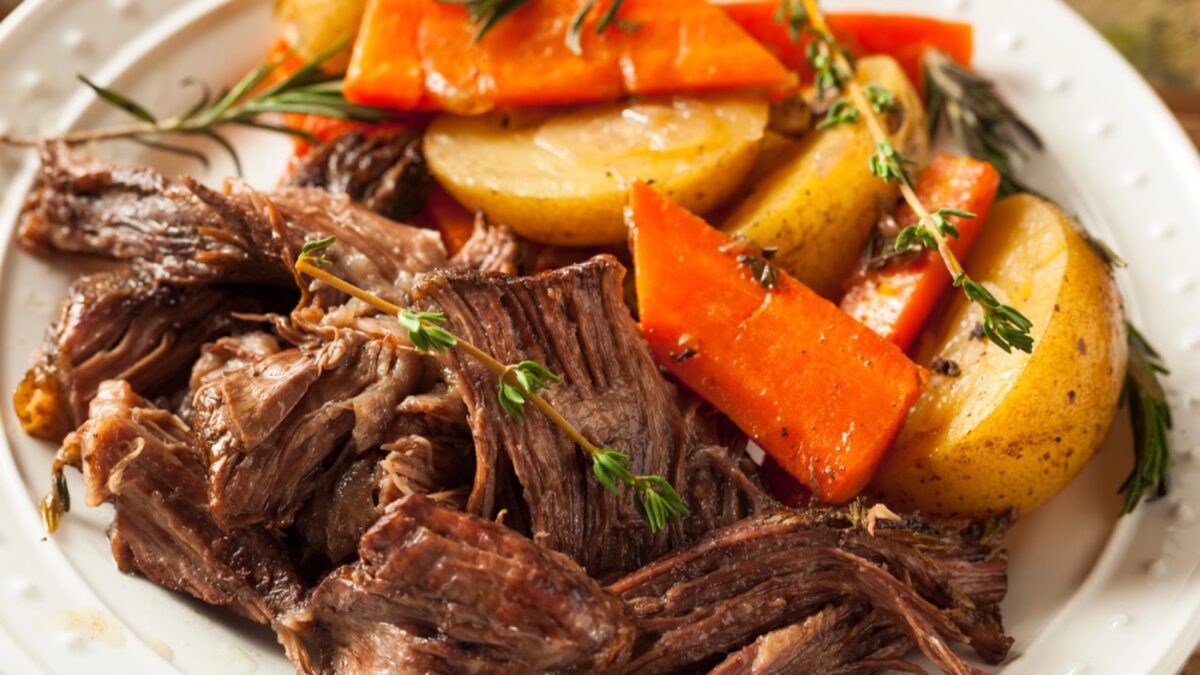
The leftovers were just as important as the main event. Cold roast beef became sandwiches on Monday, and the last scraps went into hash or soup later in the week. It was a meal that brought everyone to the table, and for many people it still tastes like home. If you love dishes like this, you may enjoy these nostalgic meals that vanished simply because they took too much work.
8. New England Boiled Dinner
The New England boiled dinner was as simple as it gets. Corned beef or a smoked ham shoulder went into a big pot with cabbage, potatoes, carrots, and turnips, and everything simmered together for hours. The vegetables soaked up the salty, savory flavor of the meat.
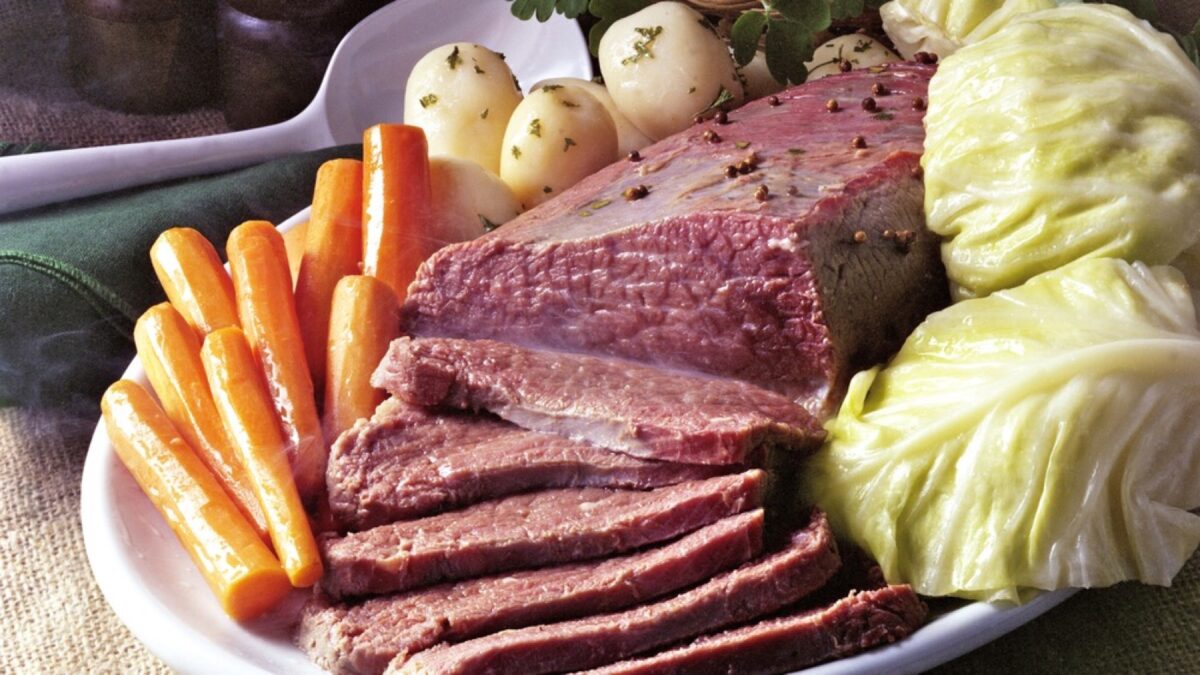
It was a practical meal for cold climates and big families, and it made the whole house smell wonderful. Leftovers were often chopped and fried into red flannel hash the next morning, sometimes with beets for color. Many families still make a version of it around St. Patrick’s Day, but it was once a regular winter supper.
Bringing These Dishes Back to Your Table
The good news is that every one of these meals can still be made in a modern kitchen, usually with ingredients from an ordinary grocery store. Creamed chipped beef needs nothing more than a jar of dried beef, butter, flour, and milk. Salmon croquettes come together from a single can of fish and a sleeve of crackers, and a pot roast practically cooks itself in a slow cooker while you go about your day.
Many families find that these dishes win over children and grandchildren who have never tried them. A plate of hot croquettes or a bubbling boiled dinner can spark stories from older relatives about the kitchens they grew up in. In that way, the food becomes a bridge between generations, which is exactly what it was for the families who first made it. You may even notice that many of these meals overlap with the foods boomers loved most as children.
Why These Old Dishes Still Matter
The arrival of frozen dinners gave tired cooks a welcome break, and nobody can blame families for embracing it. But something was lost when meals stopped being made from scratch. These older dishes taught people to stretch a budget, waste nothing, and gather around the table together.
Pick one dish from this list and make it this week. You may find that a recipe from the 1940s still has a place at a modern dinner table.