10 Grocery Shopping Methods That’ll Save You Time and Money
Grocery shopping should not feel like a small financial emergency every time you walk through the store doors. Yet for many households, one quick trip for milk, bread, and a few dinner items somehow turns into a cart full of impulse buys, forgotten duplicates, and snacks nobody planned to purchase. The problem is not just the price of food. Sometimes, the real money leak comes from shopping without a method.
A good grocery routine can protect your budget, reduce food waste, and make your week feel less chaotic. It helps you move through the store with purpose, instead of wandering every aisle, as if the supermarket is making the decisions for you. These practical grocery shopping methods can help you save time, stretch your money, and still bring home food that feels useful, fresh, and satisfying.
Shop Your Kitchen Before You Shop the Store

The cheapest groceries are often the ones already sitting in your pantry, freezer, or refrigerator. Before making a shopping list, take ten minutes to check what you already have. Look at canned goods, frozen vegetables, pasta, rice, sauces, meat, eggs, dairy, and leftovers that can still be used. This simple step prevents you from buying another bag of onions when three are already hiding in the bottom drawer.
Shopping your kitchen also helps you build meals around what needs to be used first. If you have chicken in the freezer, rice in the pantry, and carrots in the fridge, you already have the start of dinner. This method cuts waste because food does not sit forgotten until it spoils. It also turns grocery shopping into a top-up trip rather than a full-cart panic mission.
Build a Meal Plan Around Real Life
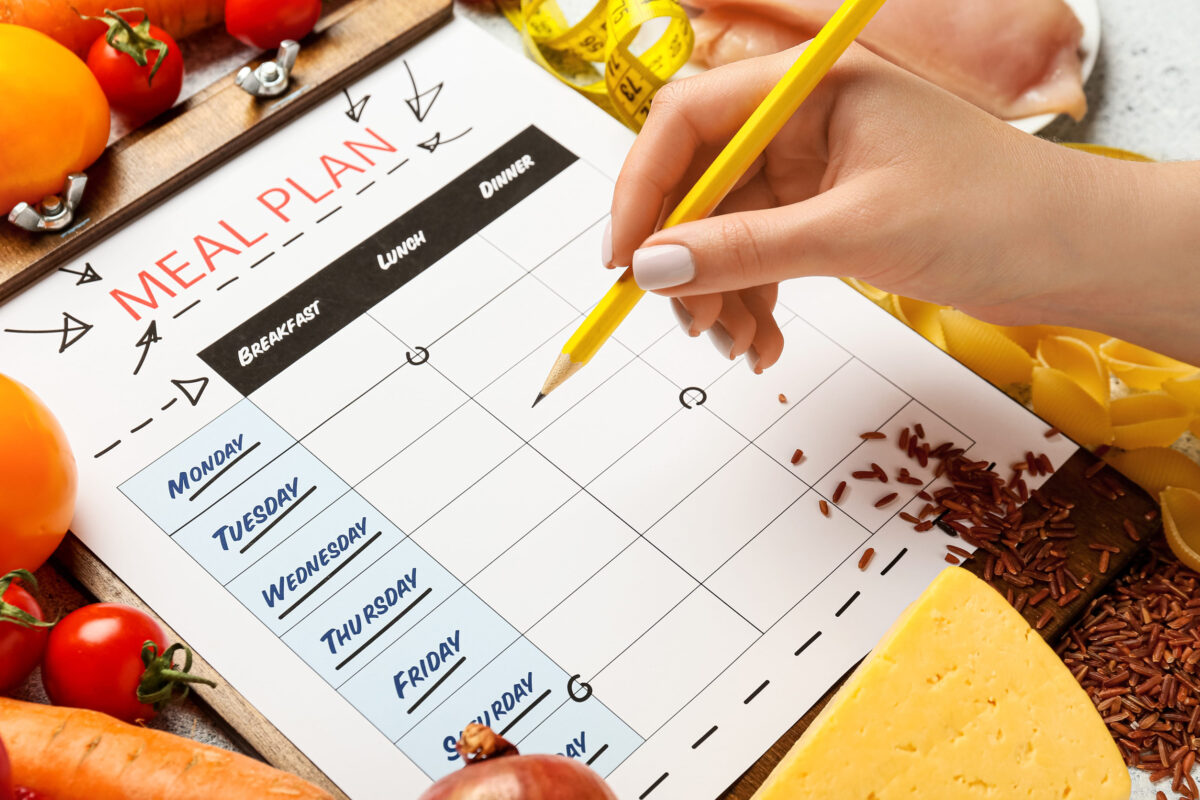
A meal plan only saves money when it matches your actual schedule. Planning five complicated dinners for a week filled with work, errands, school runs, or late nights can backfire quickly. You may still buy all the ingredients, but by Wednesday, takeout begins whispering your name. A smart grocery method starts with asking what kind of week you are really facing.
Plan quick meals for busy nights, bigger meals for calmer days, and leftovers for the day after cooking something filling. For example, roasted chicken can be used to make sandwiches, soup, or rice bowls. Ground beef can turn into tacos, pasta sauce, or stuffed potatoes. When your meal plan aligns with your energy level, you use groceries rather than waste them.
Write a List That Follows the Store Layout
A grocery list is helpful, but a messy list can still slow you down. If your list jumps from apples to detergent to yogurt to rice, you may end up crossing the same store three times. That wastes time and increases the chance of impulse buying. Organizing your list by store sections makes the trip faster and calmer.
Group items into simple categories such as produce, dairy, meat, frozen foods, pantry staples, household items, and snacks. This helps you move through the store in a clean path instead of wandering back and forth. It also makes it easier to notice if one part of your cart is getting too expensive. When your list has structure, your shopping trip feels less like a treasure hunt and more like a plan.
Set a Spending Limit Before You Enter

Walking into a grocery store without a budget is like opening your wallet and hoping the store behaves nicely. A spending limit sets boundaries for your shopping trip. It does not have to be perfect, but it should be clear enough to guide your choices. Decide how much you want to spend before you leave home, then build your list around that number.
This method forces smarter decisions. If your budget is tight, you may choose store-brand oats instead of expensive cereal, chicken thighs instead of pricey cuts, or frozen vegetables instead of fresh items that spoil quickly. A spending limit also helps you avoid the emotional trap of buying every attractive item on sale. Not every discount is a saving if you did not need the product in the first place.
Use Unit Prices Instead of Shelf Prices
The price on the front of the package can trick you. A smaller item may look cheaper, but it can cost more per ounce, pound, or liter. Unit pricing helps you compare the real value of two products. It is usually printed on the shelf label near the item price, and it tells you what each unit of weight or volume costs.
This is especially useful for cereal, rice, flour, cooking oil, detergent, pet food, snacks, and frozen items. Sometimes the bigger size saves money, but not always. Sometimes a sale price on a smaller package beats the bulk option. Checking unit prices keeps you from guessing, and that small habit can protect your grocery budget over time.
Buy Store Brands Where Quality Holds Up

Name brands can be comforting, but they are not always worth the higher price. Many store brand products taste similar, cook the same way, or come from comparable suppliers. Staples like sugar, flour, salt, rice, pasta, oats, canned tomatoes, beans, frozen vegetables, and basic cleaning products are often good places to save.
This does not mean you must abandon every brand you love. Keep the name brands that truly matter to your household, then switch the rest. If your family refuses to eat one specific peanut butter, fine, keep it. But if nobody can tell the difference between branded pasta and the store version once the sauce is added, that is easy money saved. Small swaps can quietly lower the total without making meals feel cheap.
Stop Shopping Hungry
Hunger turns the grocery store into a trap. Suddenly, every bakery item looks urgent, every frozen meal looks necessary, and every snack seems like a reasonable reward for surviving the day. Shopping hungry can push you toward convenience foods, sweets, and impulse items that were never part of your plan.
Eat something simple before you shop, even if it is just a banana, toast, yogurt, or a small sandwich. You do not need a full meal, but you need enough food in your stomach to make calm decisions. A satisfied shopper is more likely to stick to the list, compare prices, and walk past tempting displays. Your cart should reflect your plan, not your appetite at the worst possible moment.
Choose Flexible Ingredients
Flexible ingredients are the secret heroes of smart grocery shopping. These are foods that can work in many meals, which means they are less likely to go to waste. Eggs, potatoes, rice, pasta, beans, cabbage, carrots, onions, chicken, tuna, frozen vegetables, tortillas, and plain yogurt can be used in several different ways.
This method helps when plans change. If you bought ingredients for one very specific recipe and then lose interest, those items may sit unused. But flexible groceries give you options. Potatoes can become breakfast hash, soup, wedges, or mash. Eggs can become omelets, fried rice, sandwiches, or quick dinners. The more uses an item has, the safer it is for your budget.
Shop Less Often, But More Intentionally
Too many quick grocery trips can quietly drain your money. A stop for one item often becomes a small basket of extras. You may go in for bread and leave with cookies, drinks, chips, and a new sauce you did not need. Each extra trip creates another chance to overspend.
Try shopping once a week or twice a week with a clear list. This does not mean you should buy everything in bulk or overload your fridge. It means you should reduce random visits that invite impulse buying. A planned trip makes you think through meals, snacks, and household needs in one sitting. Fewer store visits can also save time, fuel, and mental energy.
Learn the Best Time to Shop
Timing can change your shopping experience. Crowded stores make people rush, forget items, and grab whatever is closest. Quiet shopping hours give you more room to compare prices, check freshness, and follow your list without stress. Early mornings and less busy weekdays are often better than peak evening hours or weekend rushes.
Some stores also mark down meat, bakery items, or produce at certain times of the day. If you learn your local store’s rhythm, you may find good deals on items you can freeze or use quickly. This method requires a bit of observation, but it can pay off. A calm store and a smart markdown can make grocery shopping feel less expensive and less exhausting.
Conclusion
Saving money on groceries is not about turning every meal into plain rice and sadness. It is about shopping with intention, using what you already have, and making fewer decisions under pressure. The best grocery methods help you avoid waste, control impulse spending, and build meals around your real life instead of an imaginary perfect week.
A stronger grocery routine can make your kitchen feel more organized, and your budget feel less fragile. Start with one or two methods, such as checking your pantry before shopping or organizing your list by store section. Once those habits feel natural, add more. Over time, grocery shopping becomes faster, cheaper, and far less stressful, which is exactly what a good method should do.