7 Ways to Break Free from the Pressure to Be a Perfect Christian
In today’s world, many believers feel an invisible weight pressing on their shoulders, the constant expectation to look spiritually strong, emotionally balanced, morally flawless, and endlessly cheerful. This pressure creeps in through church culture, social media comparisons, family expectations, and even our own internalized fears of inadequacy. It whispers that our worth is tied to our performance, that God’s love is conditional on our consistency, and that the struggles, doubts, and messy realities of life should be hidden from view.
These unspoken expectations create a spiritual tension that can leave even the most devoted believers exhausted, anxious, and secretly wondering if they are failing God, the church, or themselves. The truth is that authentic faith is not built on perfection but on relationship, honesty, and reliance on God’s grace. Understanding this is the first step in breaking free from the suffocating pressure that perfectionism places on our hearts, minds, and spiritual practices. The following seven approaches provide practical, research-backed strategies to help believers reclaim authenticity in faith while deepening their connection to God.
Embrace Honest Prayer Instead of Performance Prayer
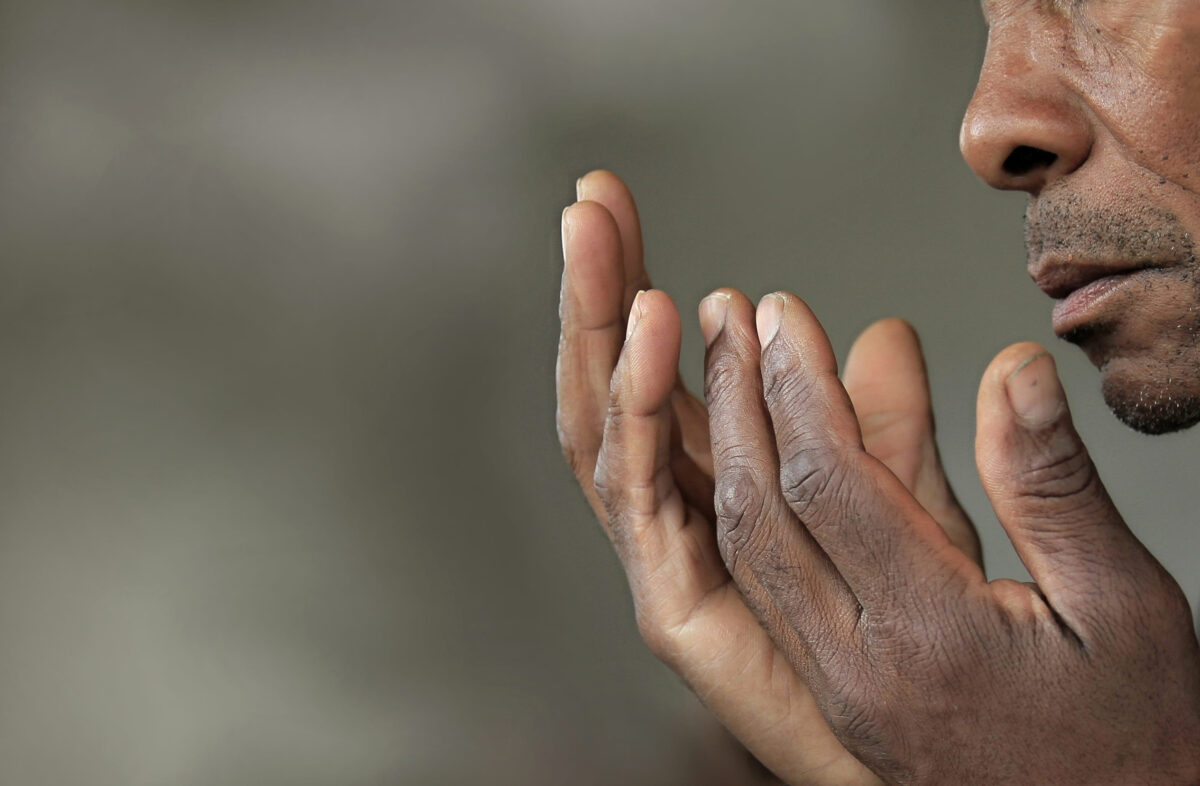
Prayer is often treated as a box to check: long enough, eloquent enough, theologically correct, and emotionally impressive. However, research in pastoral psychology indicates that authentic spiritual practice reduces anxiety and strengthens connection with God far more than polished recitation ever can. Instead of performing, bring your full self, doubts, frustration, fatigue, or gratitude to God. Speak openly about the struggles you cannot fix and the emotions you feel but cannot control.
By prioritizing honesty over performance, prayer becomes relational rather than transactional. Studies show that when individuals admit imperfection during reflective practice, they report stronger spiritual satisfaction, lower stress levels, and increased resilience. This kind of authentic prayer allows God’s presence to be felt more deeply, even in seasons of personal struggle, and replaces guilt with intimacy.
Reframe Spiritual Metrics and Let Go of Comparison
We often measure our spiritual life against others: the disciplined parent, the eloquent preacher, or the visually perfect social media worshiper. Social psychology demonstrates that constant social comparison heightens stress, anxiety, and self-doubt. Reframing spiritual metrics is essential: instead of measuring against external benchmarks, focus on growth indicators such as patience in conflict, consistency in seeking God, and genuine care for others.
This mindset allows faith to be experienced as a personal journey rather than a competition. Celebrating small, authentic victories nurtures joy and reduces guilt. Psychological research indicates that those who focus on personal progress rather than comparison report higher spiritual satisfaction and resilience. Faith becomes a journey of intimate growth rather than a performance to impress others.
Reconnect With Scripture Through Context and Story

The pressure to appear perfect is often fueled by rigid, performance-driven interpretations of Scripture. Biblical scholars emphasize that the narratives of Moses, David, Peter, and Paul highlight human struggle and God’s grace rather than flawless models. Engaging with Scripture contextually fosters a deeper understanding of grace, mercy, and the realities of imperfect lives. Narrative-based Bible study has been shown to improve retention, comprehension, and the ability to apply lessons to daily life.
When believers focus on stories of resilience and redemption, rather than simply memorizing verses, they see that spiritual weakness is not a disqualifier but an invitation for God’s power to work through their lives. This approach encourages hope, reduces shame, and makes grace a tangible experience rather than an abstract concept.
Build Safe, Honest Christian Community
Isolation amplifies perfectionist tendencies. Studies in social and organizational psychology indicate that communities fostering vulnerability increase resilience, emotional well-being, and authentic growth. Engage in small groups or communities where believers can share struggles, doubts, and questions without fear of judgment. These spaces normalize imperfection and provide accountability grounded in love rather than performance.
Being part of such a supportive community helps combat the loneliness that drives spiritual comparison. Seeing others embrace grace and vulnerability reminds believers that authentic faith is lived out in partnership, not isolation, and that imperfection does not diminish worth. Real transformation occurs in environments where honesty and mercy coexist.
Practice Reflective Self-Compassion Daily

Perfectionism often hides behind self-criticism, convincing us we must earn God’s favor. Research in clinical psychology shows that self-compassion reduces anxiety, increases emotional resilience, and fosters spiritual satisfaction. Daily reflective practices, journaling struggles, recording progress, and acknowledging God’s presence in our lives help replace self-judgment with understanding and hope.
Self-compassion aligns with Scripture, teaching us that weakness creates space for God’s strength. By practicing daily acceptance of imperfection, believers reduce guilt, avoid spiritual burnout, and allow genuine transformation to take root. Faith becomes an organic process of growth, not a harsh series of tests to pass.
Replace Rigid Rituals With Flexible, Meaningful Practices

Rigid adherence to spiritual routines often increases stress and decreases long-term engagement. Behavioral theology studies confirm that when religious practices feel mandatory rather than relational, believers are more likely to experience guilt, anxiety, and spiritual fatigue. Approaching fasting, devotional time, service, and worship with flexibility allows these practices to serve their intended purpose: connection with God rather than performance.
Flexible spiritual habits make room for life’s unpredictability, such as illness, family obligations, or emotional fluctuations. Instead of feeling guilty for missing or imperfectly executing a ritual, believers can view practices as tools for intimacy, growth, and reflection, fostering a sense of spiritual freedom and joy.
Focus on Grace as Active, Not Abstract
Grace is often misunderstood as passive forgiveness, but studies in pastoral counseling show that actively internalizing God’s grace strengthens spiritual resilience. Understanding that our worth rests in Christ’s completed work rather than our efforts allows believers to repent freely, serve faithfully, and accept love even amid failure. Actively living in grace transforms the Christian life from performance-driven anxiety into a partnership in which God’s strength complements human weakness.
Engaging grace actively encourages believers to experiment, fail, and grow without fear. Grace becomes a practical daily experience that sustains faith, nurtures humility, and creates freedom from the impossible burden of perfectionism. This approach cultivates a sustainable, authentic spiritual life rooted in mercy, trust, and relational obedience.