White House Reopens 2020 Arizona Election Fight as Voter Roll Security Questions Return
Years after the 2020 presidential election ended, the battle over Arizona’s voter records is back in the spotlight as the White House highlights concerns about election data security and the handling of voter rolls.
The Trump administration has renewed attention on Arizona’s 2020 election records, focusing on claims involving voter registration systems and alleged vulnerabilities in election databases. The move has reignited a political debate that has remained one of the most divisive issues in American politics since the election.
Supporters of the review argue that election systems must be examined to protect future elections. Critics say previous investigations, audits and court challenges did not find evidence that widespread fraud changed the outcome of the 2020 election.
Arizona becomes the Center of a Renewed Election Dispute
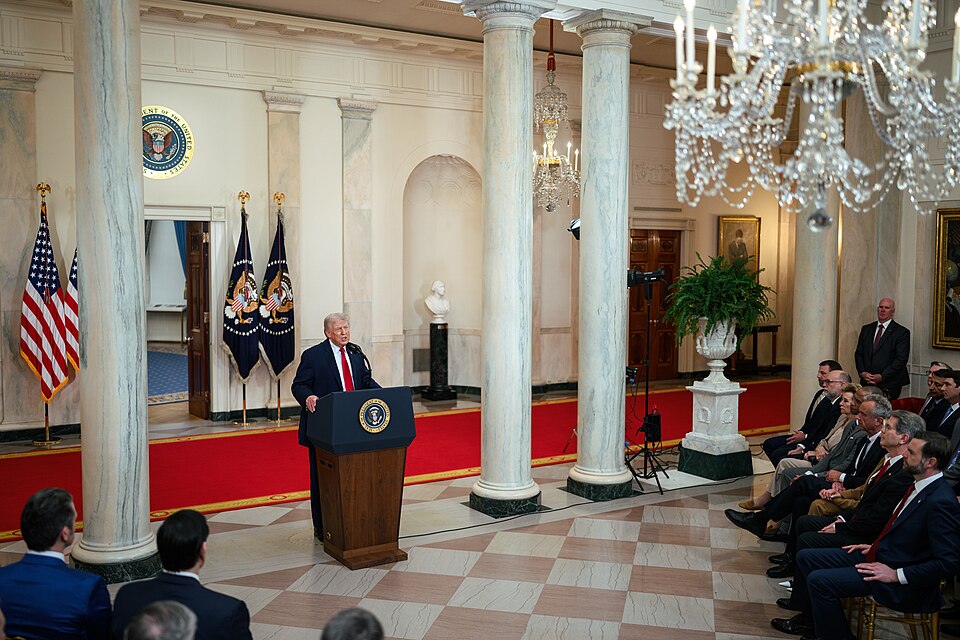
Arizona has remained a major focus of election-related investigations because it was one of the closest battleground states in 2020. President Joe Biden won Arizona by roughly 10,500 votes, making it one of the narrowest state margins in the country that year. The result was certified after multiple reviews, including a Republican-led audit of Maricopa County that ultimately confirmed Biden’s victory.
Despite those findings, questions about election administration have continued among some Republican officials and Trump allies. The White House has now highlighted concerns about voter databases, election security and possible vulnerabilities in registration systems.
The administration says reviewing election processes is necessary to strengthen public confidence. Critics argue the focus risks reopening claims that have already been examined and rejected by election officials and courts.
What the White House is Focusing On
The latest attention centers on Arizona voter roll information and cybersecurity concerns involving election systems. The White House has emphasized the importance of protecting voter registration databases, arguing that election infrastructure can be vulnerable to cyber threats. Officials have pointed to the broader issue of securing government systems from foreign interference and unauthorized access.
Election security experts have long acknowledged that voter registration systems require strong cybersecurity protections. States regularly update software, conduct audits and implement security measures to prevent unauthorized changes.
However, election officials have repeatedly said that security concerns do not automatically prove that votes were altered or that election results were affected. Arizona officials and independent reviews have found no evidence that hacking or widespread fraud changed the state’s 2020 presidential outcome.
Previous Reviews Found Biden’s Arizona Win Stood
The renewed debate comes after several years of investigations into Arizona’s 2020 election. One of the most notable reviews was the Republican-backed audit of Maricopa County ballots. Although the review raised questions about election procedures, its final count confirmed Biden’s win and found that his margin was slightly larger than the original certified result.
Election officials also faced and rejected several allegations involving voting machines, ballot handling and voter eligibility. Fact-checkers have repeatedly examined claims about Arizona’s 2020 election, including allegations involving ballot counting and voter fraud, and found many claims lacked evidence.
The debate has continued because election integrity remains a major concern for many voters. At the same time, election administrators argue that spreading unsupported claims can weaken trust in legitimate voting systems.
Political Divide Grows Over Election Investigations
The renewed focus on Arizona reflects a larger national divide over how the country should address election security. Republicans who support additional investigations argue that transparency is essential and that voters deserve answers about how elections are conducted.
Democrats and election officials counter that repeated investigations into the 2020 election have already produced extensive reviews without finding evidence of widespread fraud capable of changing the outcome.
The disagreement highlights a broader challenge for American elections: balancing public confidence with factual findings from audits and investigations. Both sides agree that protecting election systems from cyber threats is important. The disagreement is over whether past concerns represent unresolved problems or whether they have already been addressed through existing safeguards.
The Future of Election Security Remains a National Issue
The Arizona controversy shows that election security will remain a major political issue heading into future elections. As voting systems become increasingly digital, officials from both parties have acknowledged the importance of protecting voter databases, securing election equipment and maintaining public trust.
The debate over Arizona’s 2020 election, however, shows how difficult it can be to separate legitimate security concerns from political disputes. For millions of Americans, the central question remains the same: how can the country strengthen election security while ensuring that confidence is built on verified facts rather than suspicion?
As the White House continues reviewing election-related issues, Arizona remains a symbol of the larger national debate over trust, transparency and the future of American elections.