8 States Americans May Regret Moving to in 2026
America is full of beautiful places, but beauty does not always make daily life easier. In some states, the cost of living may look manageable at first, yet residents still face low wages, safety concerns, struggling schools, limited health care, and fewer opportunities to get ahead.
That is what makes this ranking hit harder. These states are not without pride, culture, loyal residents, or natural beauty, but the pressure of everyday life can feel heavier when several problems stack up at once.
Here are eight states where life may feel especially difficult for families, workers, retirees, and anyone trying to build stability in 2026.
New Mexico

New Mexico has stunning desert views, a rich culture, and one of the most unique identities in America. But when the conversation shifts from scenery to daily life, the state faces some serious concerns. Safety is one of the biggest issues that keeps New Mexico near the bottom. Families want to feel secure in their neighborhoods, and when crime concerns become part of daily decision-making, even beautiful surroundings can start to feel less comforting.
Education and health outcomes also create pressure for residents. Parents may worry about school quality, while workers and retirees may face challenges finding reliable care or long-term stability. New Mexico is not lacking beauty or character. The problem is that culture alone cannot fix the everyday struggles that many residents still face.
Louisiana
Louisiana has soul, flavor, music, history, and a cultural identity that few states can match. From New Orleans to small bayou towns, it is a place with deep roots and unforgettable energy. But livability rankings are not based on food, festivals, or charm. Louisiana continues to struggle with public safety, education, health, and economic stability, making life harder for ordinary households.
The economic issue is especially important. When wages are weak or job options feel limited, families have fewer choices for housing, schools, health care, and long-term planning. Louisiana may be one of America’s most culturally powerful states, but residents often pay a high price in daily stress. For many families, pride in place does not erase the need for stronger systems.
Arkansas
Arkansas often looks appealing because it is more affordable than many parts of the country. Lower housing costs can make it seem like a smart choice for people tired of expensive cities.
But cheap living does not always mean easy living. Arkansas struggles in areas that matter deeply, including health, education, public safety, and quality of life. The hidden problem is that lower costs can come with fewer opportunities. If wages lag, schools struggle, and health care access feels limited, residents may still find themselves stuck.
Arkansas has natural beauty and strong local communities, but the state’s weaker livability numbers show why affordability is only one part of the story.
Mississippi

Mississippi is often one of the cheapest states to live in, and that matters when so many Americans are worried about rent, groceries, insurance, and utilities. For some families, the lower cost of living can provide real breathing room. Still, affordability cannot carry the whole state. Mississippi continues to face major challenges in health, education, and economic mobility. That combination can make life feel difficult for families trying to move upward. A cheaper home does not solve weak schools, limited access to care, or fewer high-paying job options.
Mississippi has strong community pride, deep history, and cultural influence that reaches far beyond its borders. But for residents trying to build a more secure future, the state’s long-running struggles remain hard to ignore.
Alaska
Alaska is breathtaking, but living there is not the same as visiting. The mountains, wildlife, open space, and rugged beauty can be unforgettable, yet the daily reality can be expensive and demanding. Distance affects almost everything in Alaska. Groceries, health care, transportation, heating, school access, and emergency services can all become more complicated depending on where someone lives.
The weather adds another layer of difficulty. Long winters and isolation may appeal to some residents, but they can also make everyday routines harder for families, seniors, and workers. Alaska can be rewarding for people who value independence and nature. But it requires more planning, patience, and money than many Americans expect.
Nevada
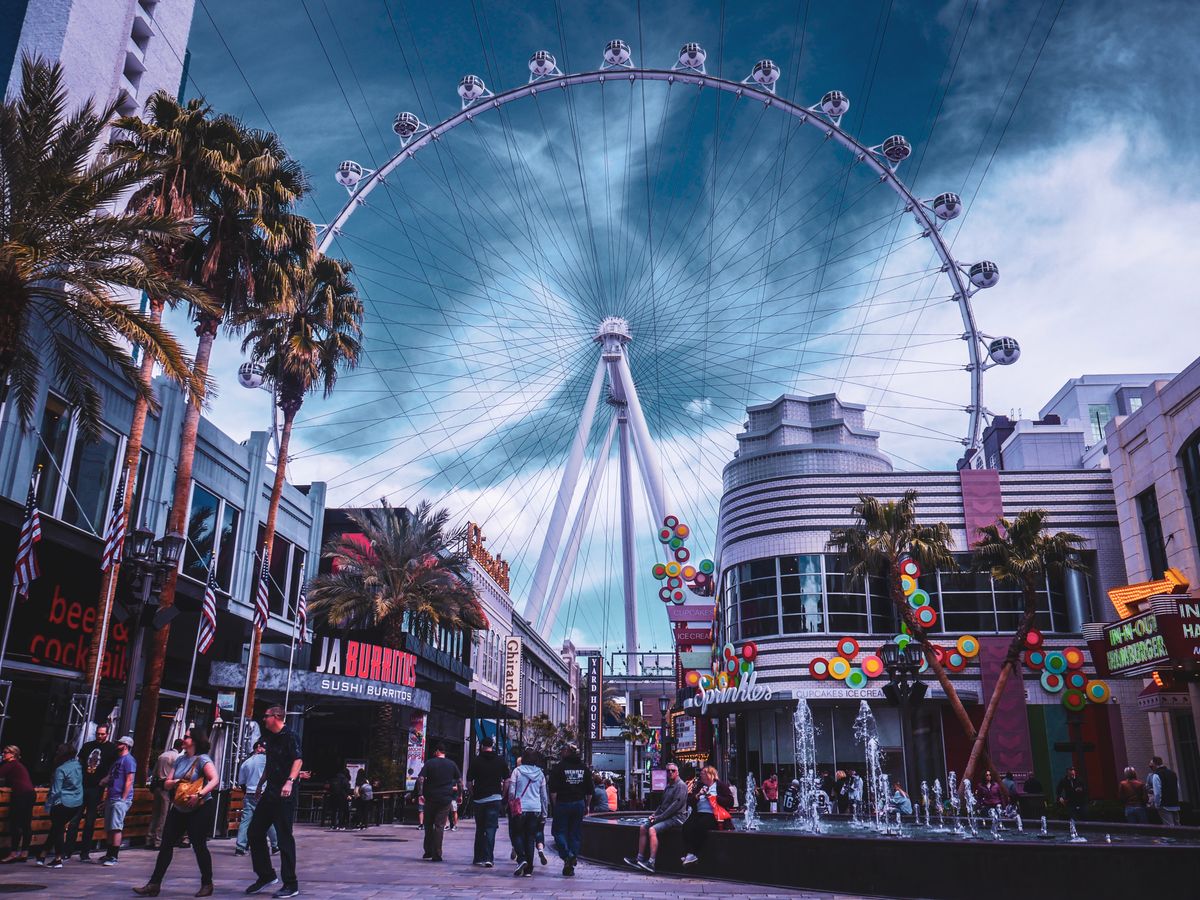
Nevada has bright lights, desert beauty, no state income tax, and cities that attract people from across the country. Las Vegas and Reno give the state a bold image of entertainment, freedom, and opportunity. The postcard version of Nevada does not tell the full story. Housing costs have risen in many popular areas, and many workers depend on tourism, hospitality, entertainment, and service jobs that can feel unstable when the economy shifts.
Safety and affordability concerns also make life harder for residents. A state can be exciting to visit yet stressful to live in year-round. Nevada’s appeal is real, but so is the pressure behind it. For many households, the state’s glamour does not always translate into long-term security.
South Carolina
South Carolina has beaches, historic cities, warm weather, and a growing reputation as a relocation destination. Many people see it as a more affordable alternative to expensive states in the Northeast or the West. Growth does not automatically mean better livability. South Carolina still faces concerns around safety, education, health, and long-term opportunity.
The affordability advantage can only go so far. If residents worry about crime, school quality, access to medical care, or lower wages, the lower cost of living may not feel like enough. South Carolina remains attractive to many newcomers, but the rankings suggest a tougher reality beneath the charm. Popularity does not always equal comfort.
Oklahoma

Oklahoma may seem manageable because it is not one of the most expensive states in America. Housing can be cheaper, and daily costs may feel less extreme than in major coastal markets. Oklahoma struggles because it lacks sufficiently strong categories to offset its weaknesses. Education, health, safety, and economic opportunity all shape how residents experience daily life.
That creates a slow, grinding kind of pressure. Life may look affordable on paper, but families still need good schools, safe neighborhoods, reliable care, and stable jobs. Oklahoma is not without strong communities or local pride. But in 2026, it remains one of the states where everyday life may feel harder than the price tag suggests.