Once a Popular Dish, Now a Protected Species: The Bird You Can’t Eat
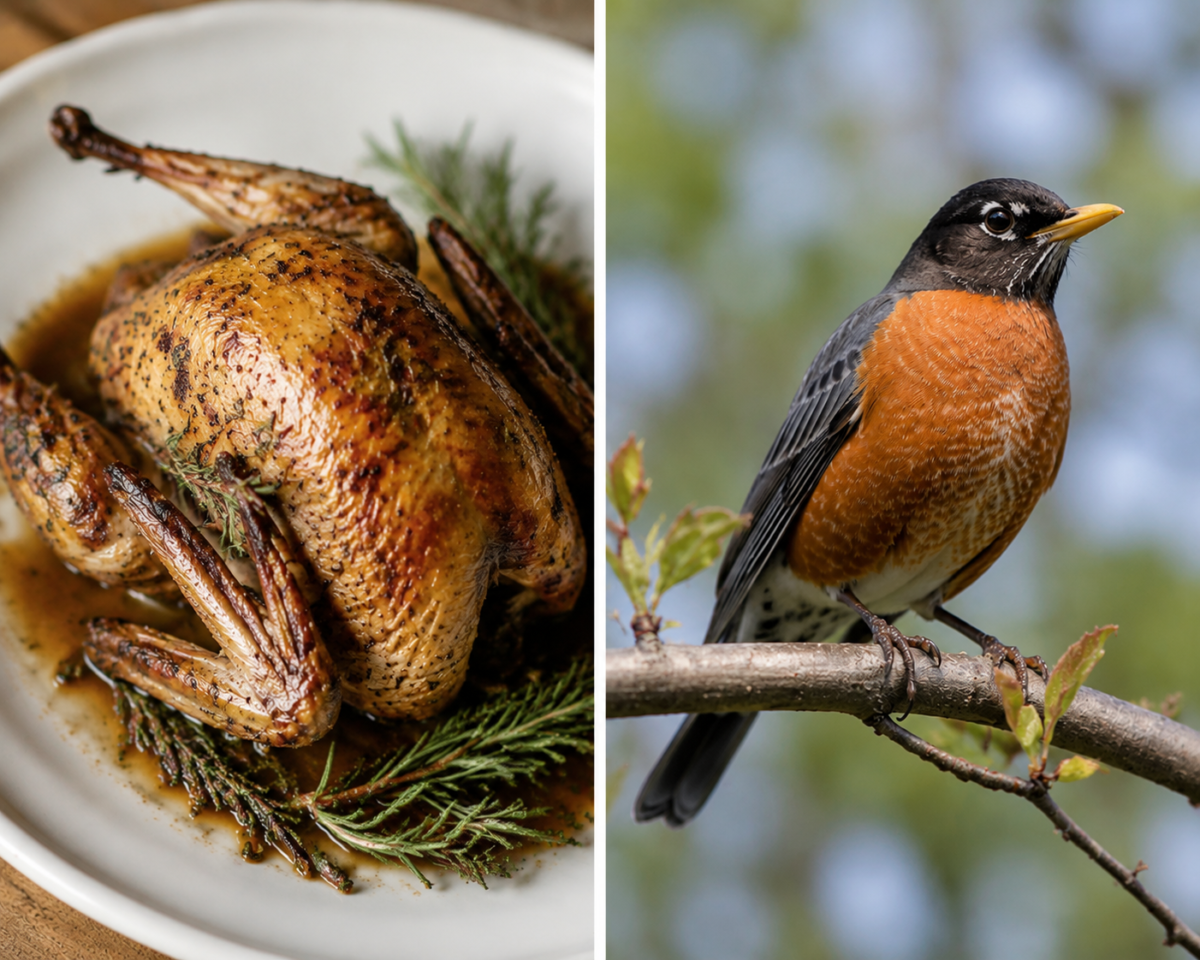
Robins may be a familiar sight in American backyards, hopping across lawns or perching on fences, signaling the arrival of spring. But a few centuries ago, these tiny birds held a very different place in American life. Long before federal protections existed, robins were a common source of food. People roasted them, baked them into pies, or fried them alongside vegetables, treating them much like modern poultry.
Today, eating a robin isn’t just frowned upon; it’s illegal. The shift from staple food to protected species reveals a fascinating intersection of culinary history, environmental awareness, and changing social values. Here’s how this backyard favorite went from dinner plate to protected bird.
Robins Were Once Common Table Fare
Before the 20th century, robins were widely hunted for their meat. Their abundance made them an easy, inexpensive choice for families and marketplaces, especially in the northern states where the birds were plentiful during summer. Unlike today, when a robin is admired as a cheerful part of the landscape, early Americans saw them as another source of protein. Markets in the 17th and 18th centuries would sell thousands of these birds, particularly in the fall, when their summer feeding made them plump and ready for cooking. The concept of eating robins may sound strange to modern readers, but it was perfectly normal at the time.
Seasonal Flocks Made Them Easy Targets
Robins migrate in massive winter flocks, a behavior that made them especially vulnerable to hunters. Large groups would gather near shrubs and fields, often in easily accessible areas, allowing people to trap dozens in a single outing.
Hunters could stock their pantries with minimal effort, which reinforced the robin’s place in everyday meals. The bird’s size and mild flavor only added to its appeal as a manageable and versatile source of protein. For early Americans, abundance and convenience made robins a logical choice for dinner.
Recipes Reveal a Culinary History
Historical cookbooks and market records illustrate just how common robins were on menus. Recipes from the 1800s describe robins baked into pies, stews, or even served atop toast with other garnishes. Some dishes were surprisingly elaborate, layering robins with beef, bacon, stuffing, and various seasonings.
These recipes reveal that robins were treated much like other small poultry, forming a core component of hearty meals. What feels unusual today was once ordinary, reflecting a culture that relied heavily on local wildlife for sustenance.
Early Observers Praised Their Flavor
European settlers and travelers frequently commented on the taste of robins, often noting them as a desirable and flavorful addition to the diet. John Josselyn, an Englishman documenting North American flora and fauna in the 1600s, specifically mentioned robins as good to eat.
Such historical accounts show that robins were intentionally sought after rather than merely caught opportunistically. They were appreciated for their flavor and abundance, cementing their role as a standard, if now unthinkable, ingredient in early American cooking.
Overhunting Drove Populations Down
The widespread consumption of robins naturally had ecological consequences. Large-scale hunting, especially during migration and nesting seasons, began to take a toll on local populations. Over time, robins were noticeably declining in certain areas, signaling the early need for conservation measures.
While their numbers remained relatively robust, these patterns reflected how human predation could quickly disrupt a species’ stability. It wasn’t sentimentality but survival and practicality that initially drove people to overhunt them, a reality that eventually forced legislative intervention.
The Migratory Bird Treaty Act of 1918 Changed Everything
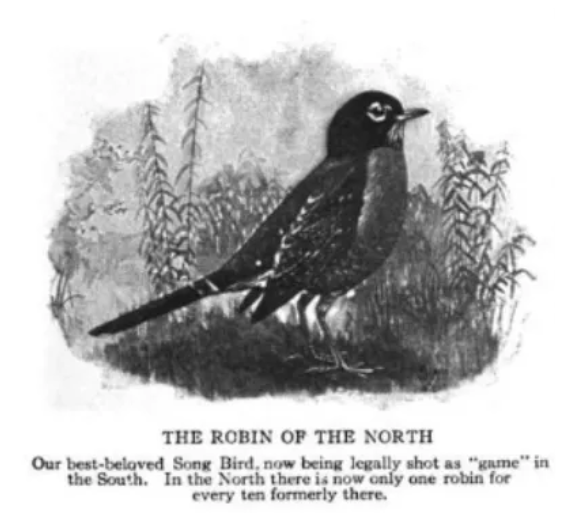
The turning point came with the passage of the Migratory Bird Treaty Act in 1918. This law made it illegal to hunt, capture, or sell robins and many other migratory birds without federal permission. It represented a growing awareness of the ecological importance of these species, including their role in pest control and maintaining balanced ecosystems.
The legislation transformed robins from a common food source into a protected species, reshaping how Americans interacted with wildlife. What had been normal kitchen practice became not only socially unacceptable but also legally prohibited.
Protecting Birds Protects Crops
Robins were valued not only for their meat but also for their role in controlling insect populations that could damage crops. By preserving robins and other migratory birds, lawmakers indirectly helped protect agriculture and gardens from destructive pests.
The legal protection of these birds, therefore, served a dual purpose: ensuring species survival while safeguarding human food systems. This broader ecological perspective highlights how wildlife laws were influenced not solely by conservation ideals but also by practical human needs.
Cultural Shifts Reinforced the Law
Legal protection alone did not entirely explain why robins stopped appearing on tables. Cultural shifts also played a significant role. As America modernized and urbanized, people began to perceive robins as symbols of spring and natural beauty rather than sources of food.
The notion of eating a bird once commonly seen in one’s yard became increasingly distasteful, even shocking. Society’s evolving view of animals and the moral weight assigned to living creatures reinforced the law, making hunting robins both socially unacceptable and illegal.
Today, Robins Are Symbols, Not Meals
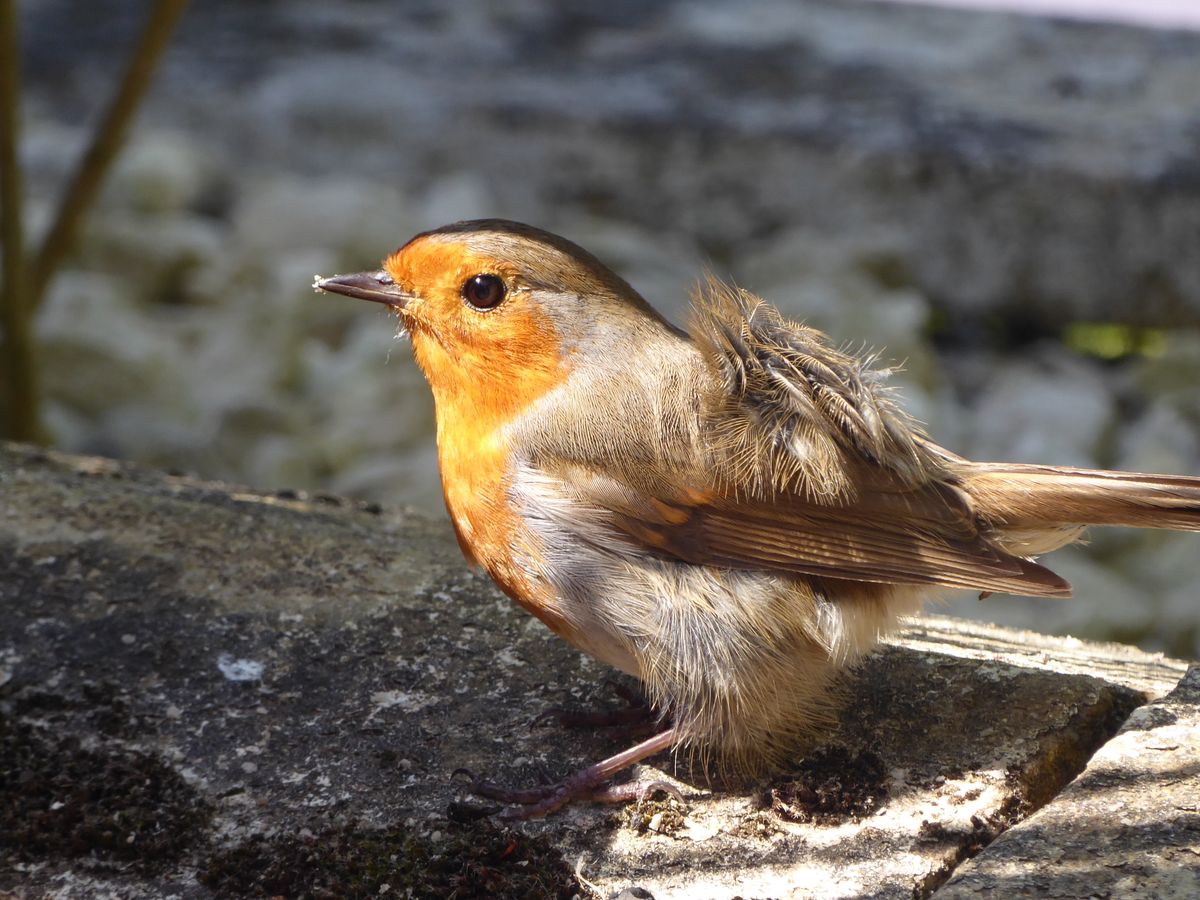
In contemporary America, robins are appreciated for their song, plumage, and role in the garden ecosystem. They hop along lawns, forage in trees, and inspire a sense of seasonal continuity. This transformation from dinner plate to beloved backyard bird illustrates how laws, culture, and conservation values can work together. Robins now stand as an example of how human behavior, legal intervention, and public perception can converge to protect a species once treated as disposable.
Lessons from the Robin’s Journey
The robin’s transformation from a common meal to a federally protected bird illustrates how abundance can be deceiving. Just because a species is common today doesn’t guarantee it will be tomorrow. Understanding history helps us appreciate why laws, culture, and conservation matter.
The Bigger Picture
The robin is just one example of a broader pattern in American history. Many animals once seen as food sources have shifted into protected status, reflecting changing values and knowledge about ecosystems. The story underscores how human practices, whether driven by hunger, convenience, or tradition, can inadvertently threaten wildlife.
Conservation is not just about preserving beauty or sentiment; it is about understanding the delicate balance that sustains both human and natural communities. The robin’s story serves as a cautionary tale and a hopeful reminder that legal protections and cultural respect can save a species from exploitation.