McDonald’s Filet-O-Fish Supply Chain Faces Backlash as Alaska’s Salmon Crisis Deepens
A fish sandwich sold at McDonald’s is at the center of a much larger debate in Alaska, where depleted salmon runs are putting pressure on communities, smaller fishing businesses, and long-standing fishing traditions.
McDonald’s says the fish used in its U.S. Filet-O-Fish is wild-caught Alaska pollock from sustainably managed fisheries. But the broader Bering Sea pollock fishery is facing criticism over salmon unintentionally caught in large trawl nets.
The issue has become especially sensitive as salmon runs in western Alaska remain severely depleted.
Why The Filet-O-Fish Is Part Of The Conversation
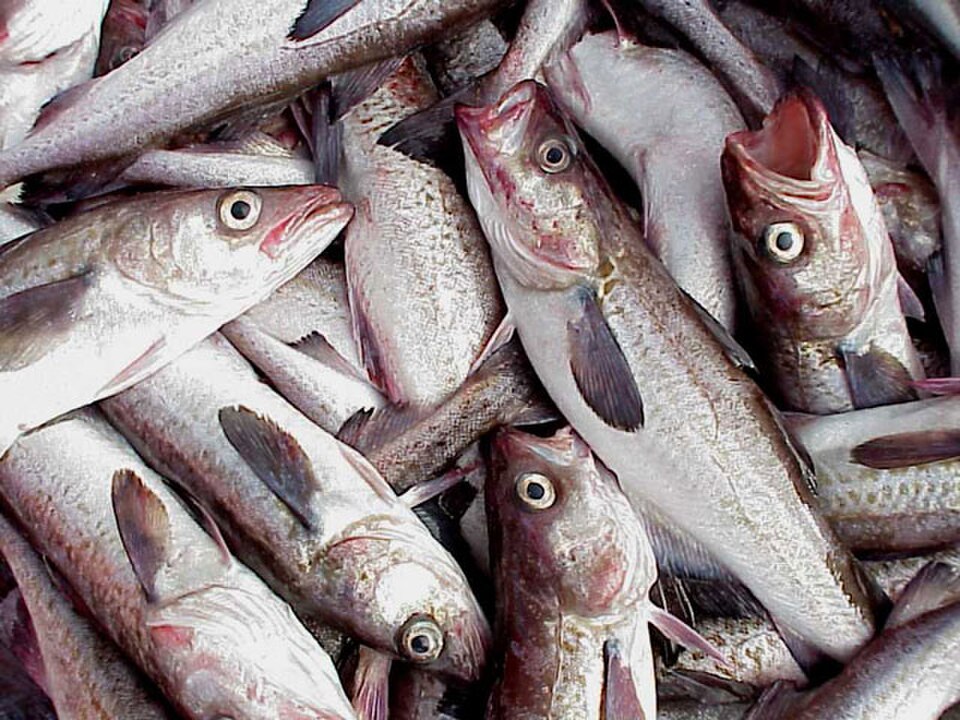
The connection starts with the fish itself. McDonald’s identifies Alaska pollock as the fish used in its U.S. Filet-O-Fish and describes it as 100% wild-caught Alaska pollock.
The controversy, however, is not an allegation that McDonald’s itself is catching salmon or that a particular McDonald’s supplier has been found responsible for the salmon decline.
Instead, the Associated Press has reported on concerns surrounding the wider Alaska pollock trawl fishery and its unintended salmon bycatch.
Large pollock nets can catch salmon along with the pollock being targeted. That has become a growing point of conflict as salmon populations have struggled in western Alaska.
Related: 7 Alarming Reasons McDonald’s Is Facing Growing Backlash From Americans
Salmon Declines Have Raised The Stakes
For Alaska Native communities and smaller commercial and charter fishers, declining salmon runs are more than a question about one fishing operation.
The Alaska Department of Fish and Game closed the Yukon River drainage to king-salmon sport fishing in 2026 because of a preseason projection for a below-average king salmon run.
The agency also issued salmon subsistence-fishing restrictions in parts of the Yukon River system during 2026. Those restrictions included closures affecting Chinook, chum, and coho salmon.
That makes the debate over salmon bycatch particularly significant for communities that depend on salmon fishing and subsistence harvests.
The Bycatch Numbers Need Context
One detail in the debate requires particular care.
McDonald’s says the Alaska pollock fishery has an annual bycatch rate below 1%. The Associated Press has reported a separate figure of approximately 2%.
Those numbers should not simply be placed side by side and treated as contradictory measurements. The figures can involve different definitions and methodologies, so comparing them directly without that context could give readers a misleading impression.
The larger point is that salmon are being caught unintentionally in pollock trawl nets, and that bycatch has become part of a broader fight over Alaska’s fisheries.
Salmon Are Not Disappearing Because Of Pollock Bycatch Alone
The salmon crisis also cannot be reduced to one fishery.
According to scientists cited by the Associated Press, changing ocean conditions and warming temperatures are major drivers of the decline in salmon runs.
That distinction matters. The existence of salmon bycatch in pollock fishing does not establish that pollock fishing caused the collapse of salmon populations.
Instead, it is one part of a complicated dispute involving fishing practices, declining salmon runs, environmental conditions, and competing interests within Alaska’s fishing economy.
What This Means For McDonald’s Customers
For customers ordering a Filet-O-Fish, the connection may seem surprisingly distant.
The sandwich’s fish comes from Alaska pollock, while the controversy is taking place within the broader Bering Sea pollock fishery. McDonald’s continues to describe the fish used in its U.S. sandwich as wild-caught Alaska pollock sourced from sustainably managed fisheries.
That means the current controversy does not establish that McDonald’s has changed the sandwich, switched its fish, or been found responsible for Alaska’s salmon problems.
Instead, it highlights how a familiar fast-food menu item can be connected to a much larger supply-chain debate.
The Local Impact In Alaska Is Bigger
The most immediate consequences are being felt in Alaska, particularly in communities affected by salmon restrictions and reduced fishing opportunities.
The Yukon River restrictions issued by Alaska’s Department of Fish and Game show how seriously the state is responding to weak salmon runs.
For Alaska Native communities and smaller fishing businesses, those restrictions can intersect with food traditions, subsistence activities, and livelihoods.
At the same time, the pollock fishery remains an important part of the state’s fishing industry, making the debate more complicated than simply choosing one fishery over another.
What Remains Unclear
The available information does not establish that a particular McDonald’s supplier caused the salmon decline or that McDonald’s intentionally contributed to the problem.
It also does not show that salmon bycatch alone explains the depleted runs.
What is clear is that Alaska’s salmon situation has intensified scrutiny of fishing practices, including the unintended capture of salmon in pollock trawl nets. The Filet-O-Fish connection gives consumers outside Alaska a reason to pay attention to a debate that is deeply local for the people living and fishing there.
For now, McDonald’s continues to identify wild-caught Alaska pollock as the fish in its U.S. Filet-O-Fish, while Alaska continues to contend with serious salmon restrictions.
The story is ultimately bigger than a fast-food sandwich. It is about how the fish Americans eat can connect distant customers to difficult questions facing the communities where those fish are harvested.